Introduction
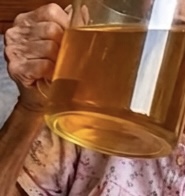
This warming Turmeric Ginger Wellness Tea combines fresh ginger, turmeric, black pepper, lemon, and honey into a soothing homemade drink. It is inspired by traditional wellness recipes often promoted for joint health, inflammation, healthy aging, and natural pain relief.
While turmeric and ginger have been studied for musculoskeletal discomfort and osteoarthritis, the evidence is still limited and does not support claims that a tea can eliminate joint pain in 48 hours. NCCIH notes that turmeric and ginger may have potential benefits in some studies, but more high-quality research is needed. (NCCIH)
This recipe should therefore be enjoyed as a comforting beverage rather than as a treatment or cure for arthritis or joint disease.
Recipe Overview
| Category | Details |
| Recipe Name | Turmeric Ginger Wellness Tea |
| Prep Time | 5 minutes |
| Cooking Time | 10 minutes |
| Total Time | 15 minutes |
| Servings | 2 cups |
| Temperature | Gentle simmer |
| Difficulty | Easy |
| Flavor | Warm, spicy, lightly citrusy |
| Best For | A soothing everyday beverage |
Why You’ll Love This Recipe
This homemade turmeric ginger tea has a naturally warming flavor and requires only a few simple ingredients. Fresh ginger provides a pleasant spicy note, while turmeric gives the tea its beautiful golden color and earthy flavor.
A small amount of black pepper is traditionally paired with turmeric because piperine can increase curcumin absorption. However, more concentrated curcumin products are not the same as culinary turmeric used in a beverage, and highly bioavailable curcumin formulations have been associated with safety concerns in some people. (NCCIH)
The recipe is also easy to customize. You can add lemon for freshness, honey for sweetness, cinnamon for additional warmth, or adjust the ginger and turmeric according to your taste.
Ingredients
Main Ingredients
| Ingredient | Amount |
| Fresh ginger root | 1½ inches, thinly sliced |
| Fresh turmeric root | 1 inch, thinly sliced |
| Water | 2½ cups |
| Ground turmeric | ½ teaspoon |
| Ground black pepper | ⅛ teaspoon |
| Fresh lemon juice | 1 tablespoon |
| Raw honey | 1–2 teaspoons |
Optional Ingredients
| Ingredient | Amount |
| Cinnamon stick | 1 |
| Fresh orange juice | 1 tablespoon |
| Orange zest | ½ teaspoon |
| Chamomile tea bag | 1 |
| Fresh mint leaves | 4–6 leaves |
Step-by-Step Instructions
1. Prepare the Ginger and Turmeric
Wash the fresh ginger and turmeric thoroughly.
Thinly slice the ginger and turmeric. Peeling is optional, although peeling can produce a smoother-looking tea.
Be careful when handling fresh turmeric because it can stain cutting boards, utensils, and clothing.
2. Heat the Water
Pour 2½ cups of water into a small saucepan.
Bring the water to a gentle boil over medium heat.
3. Add the Ginger and Turmeric
Add the sliced ginger, sliced turmeric, ground turmeric, and black pepper.
If using a cinnamon stick, add it at this stage as well.
Reduce the heat and allow everything to gently simmer for approximately 8–10 minutes.
Avoid vigorous boiling because a gentle simmer helps maintain a pleasant flavor.
4. Strain the Tea
Remove the saucepan from the heat.
Pour the tea through a fine-mesh strainer into two cups.
Discard the ginger and turmeric pieces.
5. Add Lemon and Honey
Allow the tea to cool slightly for 1–2 minutes.
Add the fresh lemon juice.
Stir in 1–2 teaspoons of honey, adjusting the sweetness according to your preference.
6. Serve
Serve the tea warm.
For a refreshing version, allow it to cool completely and serve over ice with lemon slices.
Best Tips
Fresh ginger generally gives this tea a stronger and more vibrant flavor than dried ginger powder. Thinly slicing the root allows its flavor to infuse efficiently during the simmering process.
Use turmeric carefully because fresh turmeric can leave strong yellow stains on kitchen surfaces. Wearing gloves when handling fresh turmeric can make cleanup easier.
Do not make the tea excessively concentrated. More turmeric or ginger does not necessarily mean greater health benefits, and concentrated herbal products can have side effects or interact with medications.
If the flavor is too strong, simply add additional warm water. If it tastes too spicy, increase the amount of lemon or honey slightly.
For a smoother beverage, strain the tea twice before serving.
Best Ingredient Options
Fresh ginger: Choose firm ginger with smooth skin and a strong aroma. Fresh ginger produces the most vibrant flavor.
Fresh turmeric: Fresh turmeric provides a deeper earthy flavor and natural golden color. Ground turmeric is a convenient alternative.
Ground turmeric: Choose culinary-grade turmeric from a reputable source.
Black pepper: Only a small amount is needed for flavor. You do not need to add large quantities.
Lemon: Freshly squeezed lemon provides the brightest flavor and balances the earthy turmeric.
Honey: Honey adds natural sweetness and works especially well with ginger and lemon. You can omit it if you prefer an unsweetened tea.
Recipe Variations
Turmeric Ginger Lemon Tea
Increase the lemon juice slightly and add a few thin lemon slices for a brighter citrus flavor.
Cinnamon Turmeric Tea
Add one cinnamon stick during simmering. This creates a warmer, sweeter spice profile.
Honey Ginger Tea
Use extra fresh ginger and omit the turmeric for a simpler ginger-based beverage.
Orange Turmeric Tea
Replace half of the lemon juice with fresh orange juice and add a little orange zest.
Mint Turmeric Tea
Add several fresh mint leaves after removing the tea from the heat. Allow them to steep for 2–3 minutes before serving.
Iced Turmeric Ginger Tea
Prepare the tea as directed, allow it to cool completely, and pour over ice. Add lemon slices and fresh mint.
What to Serve With
This tea pairs naturally with a light breakfast such as oatmeal, Greek yogurt, fresh fruit, whole-grain toast, or eggs.
It can also be enjoyed alongside an afternoon snack such as nuts, fruit, or a small piece of homemade banana bread.
Because the drink has a warm, spicy flavor, it also works well as an evening beverage when you want something comforting without making a heavy dessert.
Make-Ahead Instructions
The tea can be prepared ahead of time.
Prepare the recipe according to the instructions, strain it, and allow it to cool.
Store it in a covered glass container in the refrigerator.
For the best flavor, prepare only enough for approximately 1–2 days rather than making a large batch.
Reheat individual portions gently on the stovetop or in the microwave.
Add fresh lemon and honey after reheating for the best flavor.
Storage
Allow leftover tea to cool before transferring it to a clean, covered container.
Refrigerate promptly.
For the best quality, consume refrigerated tea within 2 days.
Discard it if it develops an unusual smell, appearance, or taste.
Reheating
Pour one serving into a small saucepan and warm over low to medium heat.
Alternatively, microwave it in a microwave-safe mug in short intervals until comfortably warm.
Avoid boiling the finished tea because excessive heat can make the flavor more bitter.
Add lemon and honey after reheating if desired.
Freezing
Freezing is not recommended for this tea because the fresh lemon and honey can change the flavor and texture after thawing.
If you want to save time, prepare a concentrated ginger and turmeric infusion, freeze it in small portions, and dilute each portion with hot water when needed.
Common Mistakes to Avoid
Using too much turmeric: A large amount can make the drink bitter and unpleasant. Start with a modest quantity and adjust the flavor gradually.
Using too much black pepper: A tiny amount is enough. Excess pepper can overpower the tea and irritate the stomach.
Boiling aggressively: A gentle simmer is preferable for extracting flavor without making the tea excessively harsh.
Adding honey to boiling-hot tea: Let the beverage cool slightly before adding honey for better flavor.
Expecting immediate medical results: This is a wellness beverage, not a proven treatment for arthritis or chronic joint pain. Claims that a particular tea will eliminate joint pain within 48 hours are not supported by the evidence cited above. (NCCIH)
Replacing prescribed treatment: People with persistent or severe joint pain should not replace medical care with herbal beverages or dietary supplements.
Nutrition Estimate
Approximate nutrition per serving when prepared with 1 teaspoon of honey:
| Nutrient | Approximate Amount |
| Calories | 25–30 kcal |
| Carbohydrates | 7–8 g |
| Protein | Less than 1 g |
| Fat | Less than 1 g |
| Fiber | Less than 1 g |
| Added Sugar | 0 g |
| Total Sugars | 6–7 g |
| Sodium | 2–5 mg |
Values are estimates and vary according to the amount of honey, lemon, and other ingredients used.
Frequently Asked Questions
Can turmeric ginger tea cure arthritis?
No. There is currently insufficient evidence to say that turmeric ginger tea can cure arthritis or reverse joint damage. Research into turmeric and ginger for osteoarthritis has shown possible benefits in some studies, but the evidence is not strong enough to establish a tea as a treatment. (NCCIH)
Can this tea eliminate joint pain in 48 hours?
There is no reliable clinical evidence showing that this tea can eliminate joint pain within 48 hours. Individual experiences can vary, but such a specific claim should not be presented as a proven medical result.
Is turmeric anti-inflammatory?
Curcumin, one of turmeric’s main compounds, has demonstrated anti-inflammatory properties in laboratory research. Some human studies have reported potential benefits for knee osteoarthritis, but researchers continue to study the appropriate formulations, doses, and long-term effects. (NCCIH)
Is ginger good for joint health?
Ginger has been studied for osteoarthritis symptoms. Some research suggests ginger supplements may provide modest benefits, but NCCIH notes that much of the research is limited or of low quality, so more evidence is needed. (NCCIH)
How often can I drink turmeric ginger tea?
For most healthy adults, an occasional culinary-strength tea is generally different from taking concentrated supplements. However, there is no established therapeutic dosage for this homemade beverage. If you take medication or have a medical condition, consult a healthcare professional before using herbal products regularly.
Can I drink it every morning?
You can enjoy it as a food beverage if it agrees with you, but drinking more does not guarantee greater health benefits. Stop or reduce consumption if you experience stomach discomfort, heartburn, diarrhea, or other unwanted effects. Ginger can cause these symptoms in some people. (NCCIH)
Can I use turmeric supplements instead?
Supplements are more concentrated than the culinary turmeric used in this recipe and should not automatically be considered equivalent to tea. Some highly bioavailable curcumin formulations have been associated with liver injury, so concentrated supplements should be discussed with a healthcare professional when appropriate. (NCCIH)
Final Thoughts
This Turmeric Ginger Wellness Tea is a simple, warming beverage made with familiar kitchen ingredients. Its combination of ginger, turmeric, lemon, black pepper, and honey makes it flavorful and easy to prepare at home.
Turmeric and ginger continue to be researched for joint health, inflammation, osteoarthritis symptoms, and natural wellness, but the available evidence does not justify promising a rapid cure or claiming that this tea can eliminate joint pain in 48 hours. (NCCIH)
Enjoy this recipe as part of a balanced lifestyle rather than as a replacement for professional medical care.
⚠️This recipe may not be suitable for everyone, so it is advisable to consult a doctor.