Introduction
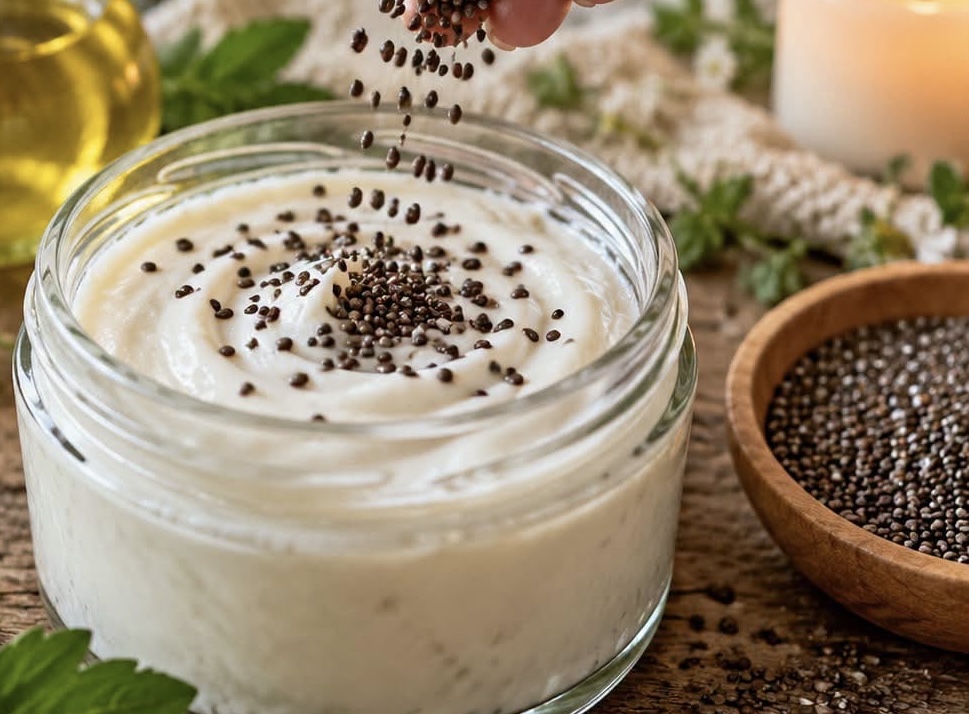
Healthy-looking skin starts with gentle cleansing, regular moisturizing, and protection from the sun. If you enjoy simple homemade skincare routines, this chia seed and yogurt face mask offers an easy way to pamper dry skin using a few familiar ingredients.
Chia seeds can form a soft gel when mixed with water, while plain yogurt provides a creamy base. A small amount of suitable carrier oil can help soften the skin. However, this homemade mask has not been scientifically proven to remove wrinkles or dark spots in 21 days.
This gentle skincare recipe is intended to help temporarily improve skin softness and hydration—not to replace proven treatments for aging or hyperpigmentation.
Recipe Overview
| Detail | Information |
| Preparation Time | 10 minutes |
| Application Time | 10–15 minutes |
| Total Time | 20–25 minutes |
| Yield | 1 facial application |
| Difficulty | Easy |
| Main Purpose | Temporary hydration and softer-feeling skin |
| Recommended Frequency | Start with once weekly |
| Skin Type | Normal to dry skin, if tolerated |
Why You’ll Love This Face Mask
This homemade face mask is easy to prepare and uses a small number of ingredients. The chia seed gel helps create a smooth texture, while yogurt gives the mask a creamy consistency. A suitable carrier oil can provide additional emollient benefits.
After rinsing, your skin may feel softer and look temporarily more hydrated. Individual results vary, and the mask should not be expected to eliminate wrinkles, permanently tighten the skin, or remove age spots.
Ingredients
| Ingredient | Quantity | Purpose |
| Chia seeds | 1 teaspoon | Forms a gel-like texture when hydrated |
| Plain, unsweetened yogurt | 2 tablespoons | Provides a creamy base |
| Clean drinking water | 2 tablespoons | Helps hydrate the chia seeds |
| Fragrance-free carrier oil, such as sweet almond oil | ¼ teaspoon, optional | Helps soften the skin |
Important: Use plain yogurt without added sugar, fragrance, or flavorings. Chamomile essential oil should not be added directly to this mask because it can irritate or sensitize the skin. If you have a nut allergy, avoid sweet almond oil.
Step-by-Step Instructions
Step 1: Prepare the Chia Seed Gel
Place one teaspoon of chia seeds in a small, clean bowl. Add two tablespoons of drinking water and stir thoroughly.
Allow the mixture to rest for approximately 10–15 minutes, stirring occasionally until the seeds develop a gel-like coating.
For a smoother texture, you can blend the hydrated mixture carefully. Do not apply dry chia seeds directly to the face, as they may feel abrasive.
Step 2: Add the Yogurt
Add two tablespoons of plain, unsweetened yogurt to the prepared chia gel.
Stir until the mixture is evenly combined and has a creamy consistency.
Step 3: Add the Optional Carrier Oil
If your skin tolerates it, add approximately ¼ teaspoon of a suitable carrier oil, such as sweet almond oil.
Mix gently until evenly distributed. If your skin is sensitive, acne-prone, or prone to allergic reactions, leave out the oil and use a simpler formula.
Step 4: Cleanse Your Face
Wash your face with a gentle cleanser and lukewarm water.
Pat your skin dry with a clean towel. Avoid applying the mask to broken skin, irritated areas, or active rashes.
Step 5: Apply the Mask
Spread a thin layer over your face, avoiding the eyes, lips, and nostrils.
Leave the mask on for approximately 10–15 minutes. Do not allow it to dry completely or become uncomfortable.
If you notice burning, itching, or redness, rinse it off immediately.
Step 6: Rinse and Moisturize
Rinse thoroughly with lukewarm water without scrubbing. Gently pat your face dry and apply your usual fragrance-free moisturizer.
During the day, finish your skincare routine with a broad-spectrum sunscreen of SPF 30 or higher.
Best Tips
Prepare the mask immediately before use and make only enough for one application. Use gentle movements when rinsing, because rubbing or exfoliating irritated skin can worsen redness and pigmentation. Introduce one new skincare product at a time, and always test a small area first.
Best Ingredient Options
For sensitive skin: Use a gentle, fragrance-free moisturizer instead of experimenting with multiple homemade ingredients.
For dry skin: Choose a moisturizer containing glycerin or ceramides after rinsing the mask.
For dark spots: Daily sunscreen is essential. Ingredients such as niacinamide or azelaic acid may help with some forms of uneven pigmentation when used in appropriate, well-formulated products.
For fine lines: Regular moisturizing and sun protection are more dependable than homemade masks for maintaining the appearance of the skin.
Recipe Variations
For a simpler version, combine hydrated chia gel with plain yogurt and leave out the optional oil. If yogurt irritates your skin, skip the homemade mask and use a gentle moisturizer instead.
Avoid adding lemon juice, baking soda, cinnamon, or undiluted essential oils. These ingredients may irritate the skin and can make discoloration worse.
What to Use After the Mask
After rinsing, apply a moisturizer suited to your skin type. During the day, use broad-spectrum SPF 30 or higher sunscreen and reapply according to the product instructions, especially after sweating or washing your face.
Avoid combining the mask with strong exfoliating acids or retinoids in the same routine if your skin is sensitive.
Make-Ahead Instructions
This mask is best prepared fresh immediately before application. Because it contains yogurt and water, it can support microbial growth and has no validated homemade shelf life.
Do not prepare a large batch for later use or keep leftover mask for another application.
Storage
Use the mask immediately and discard any leftovers. Wash the bowl, spoon, and other utensils thoroughly after use.
Keep the chia seeds, yogurt, and carrier oil stored separately according to their packaging instructions.
Reapplication
Start with one application per week to see how your skin responds. If you experience no irritation, you can decide whether to continue occasionally, but there is no established need to use this mask two or three times weekly.
Stop using it if redness, itching, swelling, or discomfort develops.
Common Mistakes to Avoid
Applying dry seeds directly to the face, scrubbing aggressively, leaving the mask on until it becomes uncomfortable, or adding concentrated essential oils can irritate the skin. Do not assume that a homemade mixture can permanently erase wrinkles or pigmentation. Frequent use is not necessarily better, particularly if your skin is sensitive.
Expected Benefits
| Skin Concern | Realistic Expectation |
| Dryness | Skin may feel temporarily softer |
| Dull appearance | Hydration may provide a temporary glow |
| Fine lines | Moisturized skin may make some lines less noticeable |
| Dark spots | No proven dark-spot removal from this mask |
| Skin firmness | No established permanent tightening effect |
| Results in 21 days | No guaranteed or scientifically established timeline |
Frequently Asked Questions
1. Can chia seeds remove wrinkles?
No. Chia seeds can help create a moisturizing gel, but there is insufficient clinical evidence that applying them to the face removes wrinkles or reverses skin aging.
2. Does yogurt help remove dark spots?
Yogurt contains lactic acid, but the concentration and effects of a homemade yogurt mask are unpredictable. It has not been established as a reliable treatment for dark spots, and it may irritate some skin types.
3. Can I use this mask every day?
Daily use is not necessary. Start with occasional use and discontinue it if your skin becomes irritated. A well-formulated daily moisturizer is generally a more reliable choice for maintaining skin hydration.
4. Can I add chamomile oil?
Avoid adding chamomile essential oil directly to the mixture. Essential oils can cause irritation or allergic reactions, particularly on facial skin. A properly formulated, fragrance-free skincare product is a safer option for sensitive skin.
5. Will my skin become brighter in 21 days?
There is no guarantee. The mask may temporarily improve the appearance of dry skin, but it has not been proven to lighten skin or remove pigmentation within 21 days. Sunscreen and evidence-based treatments are more appropriate for managing uneven skin tone.
6. Is this mask suitable for all skin types?
No. People with sensitive skin, eczema, acne, or allergies may react to one or more ingredients. Avoid the mask if you have known sensitivities, and consult a dermatologist for persistent irritation or pigmentation concerns.
Final Thoughts
The chia seed and yogurt face mask is a simple homemade skincare option that may temporarily soften and hydrate the skin. Preparing it fresh, avoiding irritating additions, and moisturizing afterward can help make the experience gentler.
For long-term skin health, focus on consistent moisturizing, gentle cleansing, and daily sun protection rather than promises of dramatic anti-aging results in 21 days.
⚠️ Skincare disclaimer: This homemade mask may not be suitable for everyone. Patch-test new ingredients before facial use, stop immediately if irritation occurs, and consult a dermatologist for persistent dark spots, unusual skin changes, or ongoing skin problems.