Introduction
Dry hands can become rough, tight, and more visibly wrinkled, especially with frequent handwashing, cold weather, and sun exposure. A simple hand care routine using petroleum jelly can help soften the skin, reduce moisture loss, and improve the appearance of dry hands.
This overnight hand treatment combines original petroleum jelly, gentle application, and cotton gloves to help maintain smoother, softer hands. Although it can improve hydration and temporarily make fine lines less noticeable, it cannot permanently remove wrinkles or reverse skin aging.
Recipe Overview
| Detail | Information |
| Preparation Time | 5 minutes |
| Treatment Time | 30–45 minutes or overnight |
| Total Time | 5 minutes of preparation |
| Servings | 1 hand treatment |
| Skin Type | Normal to dry skin |
| Main Purpose | Moisturizing and softening dry hands |
| Difficulty | Very easy |
Why You’ll Love This Treatment
This simple hand care routine uses an affordable household moisturizer to help protect dry skin. Petroleum jelly forms a protective barrier that reduces water loss, helping hands feel softer and smoother.
The treatment is easy to incorporate into an evening skincare routine and requires only a few minutes of preparation. With consistent moisturizing and sun protection, you can help maintain healthier-looking hands and reduce the appearance of dryness-related fine lines.
Ingredients and Materials
| Ingredient or Material | Quantity | Purpose |
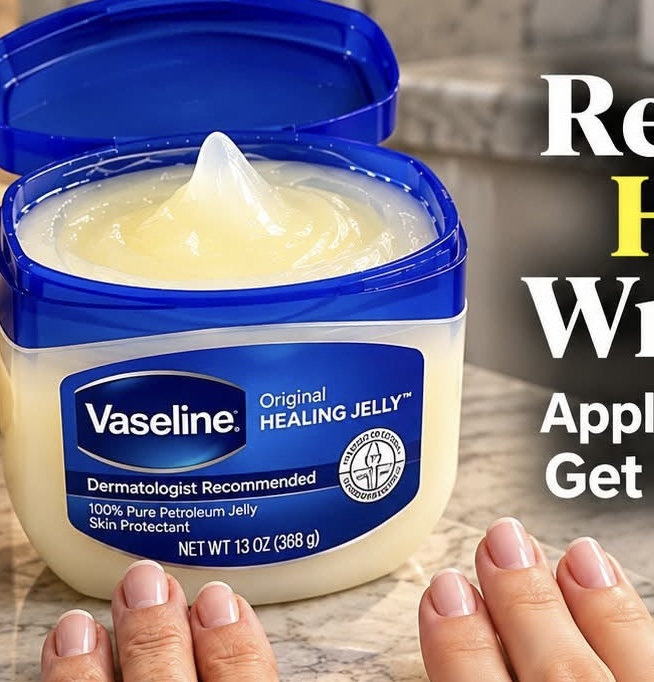
| Original petroleum jelly (Vaseline) | 1 tablespoon | Helps seal in moisture |
| Vitamin E oil | 3–4 drops, optional | Adds an emollient component |
| Clean cotton gloves | 1 pair | Keeps the moisturizer in place |
| Mild, fragrance-free soap | As needed | Gently cleanses the hands |
| Warm water | As needed | Cleansing |
| Soft, clean towel | 1 | Gently dries the skin |
Important: Lemon juice is not recommended for this treatment. It may irritate the skin, particularly if the hands are dry, cracked, or sensitive. Vitamin E oil is also optional and can cause contact dermatitis in some people.
Step-by-Step Instructions
Step 1: Clean Your Hands
Wash your hands with lukewarm water and a mild cleanser. Avoid very hot water, which can worsen dryness.
Gently pat your hands dry with a clean towel, leaving the skin slightly damp.
Step 2: Prepare the Moisturizer
Place approximately one tablespoon of plain petroleum jelly in a clean palm or small bowl.
If you choose to use vitamin E oil, add only a small amount and mix thoroughly. For sensitive skin, using plain petroleum jelly alone is the simplest option.
Step 3: Apply the Treatment
Spread a thin, even layer over the backs of your hands, knuckles, fingertips, and dry cuticles.
Massage gently for one to two minutes. Avoid applying the mixture to irritated, infected, or broken skin.
Step 4: Put on Cotton Gloves
Wear clean cotton gloves to help keep the petroleum jelly in place while you sleep.
If you prefer a shorter treatment, leave it on for 30–45 minutes and gently wipe away any excess.
Step 5: Repeat as Needed
Use the treatment in the evening whenever your hands feel dry. Daily use is generally reasonable for intact skin if the product does not cause irritation.
For lasting protection, apply a broad-spectrum SPF 30 or higher sunscreen to the backs of your hands during the day.
Best Tips
Apply moisturizer after washing your hands, while the skin is still slightly damp. Use gloves when cleaning or washing dishes, and avoid harsh soaps and excessive exposure to hot water. Consistency is more important than applying a thick layer of product.
Best Ingredient Options
For sensitive skin: Choose plain, fragrance-free petroleum jelly without additional ingredients.
For very dry hands: Apply a fragrance-free cream containing glycerin or ceramides before sealing in moisture with a thin layer of petroleum jelly.
For hands with age spots: Daily sunscreen is essential. Persistent or changing dark spots should be assessed by a healthcare professional rather than treated with lemon juice.
Treatment Variations
For a simple overnight treatment, use petroleum jelly alone with cotton gloves.
For extra hydration, apply a fragrance-free hand cream first and then a thin layer of petroleum jelly.
For daytime use, choose a lighter hand cream that absorbs more easily and finish with sunscreen on exposed skin.
What to Do After the Treatment
In the morning, remove the cotton gloves and gently massage any remaining moisturizer into your skin. If your hands feel excessively greasy, wipe away the excess with a soft towel.
Continue your normal handwashing routine and reapply moisturizer whenever your skin feels dry.
Make-Ahead Instructions
There is no need to prepare a large batch. Keep the petroleum jelly in its original, clean container and apply a fresh amount whenever needed.
Avoid adding water, lemon juice, or other ingredients to the original container, as this can affect product hygiene and increase the risk of irritation.
Storage
Store petroleum jelly in its original container, tightly closed, at room temperature and away from direct sunlight. Use clean hands or a clean spatula to remove the product.
Wash cotton gloves regularly and allow them to dry completely before reuse.
Reapplication
Reapply a small amount of moisturizer after washing your hands or whenever your skin feels dry. If you wear gloves overnight, make sure they are comfortable and not tight.
Stop using any added ingredient if you notice redness, itching, burning, or a rash.
Common Mistakes to Avoid
Using lemon juice on dry hands may cause irritation and can increase the risk of skin problems, especially with sun exposure. Applying excessive petroleum jelly may leave a greasy residue without providing additional benefits. Avoid vigorous massage, fragranced products that irritate your skin, and claims that promise wrinkle removal overnight.
Expected Results
| Time Frame | What You May Notice |
| After one application | Softer, less dry-feeling hands |
| After several days | Improved comfort and reduced roughness |
| After a few weeks | Better-maintained skin hydration with regular care |
| Long term | Healthier-looking hands with moisturizing and sun protection |
Results vary depending on your skin condition, environment, and routine. Petroleum jelly moisturizes and protects the skin barrier, but it does not permanently erase wrinkles, remove age spots, or reverse the natural aging process.
Frequently Asked Questions
1. Can Vaseline remove wrinkles on the hands?
No. Petroleum jelly helps reduce water loss and temporarily plump the appearance of dry skin, making fine lines less noticeable. It does not permanently remove wrinkles.
2. Can I leave Vaseline on my hands overnight?
Yes, most people can leave plain petroleum jelly on intact skin overnight. Cotton gloves can help prevent it from transferring to bedding.
3. Is vitamin E oil necessary?
No. Plain petroleum jelly is sufficient for the main moisturizing purpose. Vitamin E oil is optional and may irritate some people.
4. Should I add lemon juice to brighten my hands?
No. Lemon juice can cause irritation and may contribute to skin reactions with sunlight. Use sunscreen daily and seek professional advice for persistent pigmentation.
5. How often should I use this treatment?
You can use it nightly if your hands are dry and your skin tolerates it. You may need less frequent application once your skin feels comfortable.
6. Is this treatment suitable for everyone?
Most people tolerate plain petroleum jelly well, but individual sensitivities vary. Avoid products that trigger irritation and consult a healthcare professional if you have persistent rashes, painful cracks, or other unexplained skin changes.
Final Thoughts
A petroleum jelly hand treatment is an inexpensive, simple way to moisturize dry hands and help them feel softer. For the best results, combine regular moisturizing with gentle cleansing, protective gloves, and daily sunscreen.
Remember that healthy-looking skin comes from consistent care rather than miracle remedies. This treatment can improve dryness and the appearance of fine lines, but it should not be presented as a permanent anti-aging cure.
⚠️ Skin care disclaimer: This treatment may not be suitable for everyone. Perform a small patch test when introducing a new product, and consult a dermatologist if you experience persistent irritation or have concerns about changes in your skin.