Introduction
Welcome to a practical guide to supporting eye health through nutrition and safe wellness habits.
If you have been searching for natural eye health remedies, foods that support healthy vision, or ways to incorporate antioxidant-rich ingredients into your daily routine, this smoothie offers a delicious option.
This recipe combines carrots, blueberries, leafy greens, chia seeds, and a carefully selected food-grade aloe vera product. These ingredients provide nutrients such as beta-carotene, vitamin C, vitamin E, lutein, zeaxanthin, and healthy fats that are important components of a balanced diet.
However, nutrition should support—not replace—professional eye care. In particular, raw aloe vera gel, homemade plant extracts, or non-sterile preparations should never be placed directly into the eyes. The eye is highly sensitive, and contaminated or irritating substances can cause significant injury.
This recipe is designed as a food and wellness smoothie, not as an eye treatment or cure for vision problems.
Recipe Overview
| Feature | Detail |
| Prep Time | 10 minutes |
| Blending Time | 1 minute |
| Total Time | 15 minutes |
| Servings | 2 |
| Category | Wellness Smoothie |
| Cuisine | Healthy / Plant-Based |
| Diet | Vegan, Dairy-Free, Gluten-Free |
| Main Focus | Nutrient-Rich Eye Health Support |
| Difficulty | Easy |
Why You’ll Love This Recipe
This colorful smoothie is an easy way to add several nutrient-dense foods to your breakfast routine.
Carrots provide beta-carotene, which the body can convert into vitamin A. Vitamin A plays an important role in normal vision and maintaining healthy eye tissues.
Blueberries contribute vitamin C and plant compounds called anthocyanins, while spinach and kale provide carotenoids such as lutein and zeaxanthin.
Chia seeds add fiber and plant-based omega-3 fatty acids, while unsweetened almond milk or another suitable liquid creates a smooth and refreshing consistency.
The combination makes this an excellent healthy breakfast smoothie, especially for people looking for antioxidant-rich foods and natural ways to improve their overall nutrition.
Ingredients
Primary Smoothie Ingredients
| Ingredient | Quantity | Preparation |
| Food-grade aloe vera gel | 2 tablespoons | Use only a commercially prepared food-grade product |
| Carrots | 2 medium | Washed, peeled and chopped |
| Blueberries | 1 cup | Fresh or frozen |
| Spinach or kale | 1 handful | Washed thoroughly |
| Chia seeds | 1 tablespoon | Whole or ground |
| Unsweetened almond milk | 1½ cups | Substitute with another preferred liquid |
| Optional avocado | ¼ avocado | Adds healthy fats and creaminess |
Important Aloe Vera Note
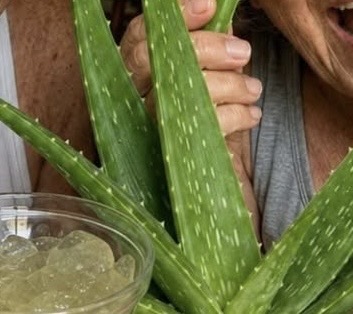
For a drink, use only a commercially prepared food-grade aloe vera product intended for oral consumption and follow its label instructions.
Do not scrape gel directly from an aloe plant and assume it is safe to drink. Aloe leaves contain latex and other compounds that can cause adverse effects when consumed.
Most importantly, never put homemade aloe gel into your eyes.
Step-by-Step Instructions
Prepare the Vegetables
Wash the carrots and leafy greens thoroughly.
Peel and chop the carrots into smaller pieces so they blend more easily.
If you are using fresh blueberries, rinse them thoroughly before adding them to the blender.
Prepare the Blender
Pour the almond milk into the blender first.
Adding the liquid before the solid ingredients can help the blender process everything more smoothly.
Add the Ingredients
Add the spinach or kale, chopped carrots, blueberries, chia seeds, and the appropriate amount of food-grade aloe vera product.
If desired, add avocado for additional creaminess.
Blend
Secure the blender lid and blend for approximately 45–60 seconds, or until the smoothie reaches your preferred consistency.
If the smoothie is too thick, add a small amount of additional liquid.
Serve
Pour into two glasses and enjoy immediately.
For the best flavor and texture, fresh consumption is recommended.
Best Tips
Choose fresh, high-quality ingredients whenever possible.
Frozen blueberries are an excellent option because they provide a naturally cold and creamy smoothie without requiring ice.
If you are using kale, remove particularly tough stems before blending.
For additional healthy fats, a small amount of avocado or ground flaxseed can complement the recipe.
Remember that no single smoothie can dramatically improve eyesight or reverse an eye disease. The most valuable approach is consistent overall nutrition combined with regular eye examinations when appropriate.
Best Ingredient Options
Blueberries
Fresh or frozen blueberries work equally well.
If blueberries are unavailable, blackberries can provide a similar dark berry flavor and additional plant compounds.
Leafy Greens
Spinach is mild and easy to blend.
Kale provides a more robust flavor and is another nutrient-dense leafy green.
Milk Alternatives
Unsweetened almond milk creates a creamy consistency.
You can also use unsweetened oat milk, soy milk, coconut water, or plain water depending on your nutritional preferences.
Healthy Fats
A small amount of avocado, ground flaxseed, chia seeds, or walnuts can add healthy fats to the meal.
These fats can also make the smoothie more satisfying.
Recipe Variations
Tropical Eye-Support Smoothie
Replace some of the blueberries with mango and pineapple for a naturally sweet tropical version.
Green Wellness Smoothie
Increase the amount of spinach and add cucumber and a small squeeze of lemon.
This creates a lighter, refreshing green smoothie.
Protein Breakfast Smoothie
Add a serving of unsweetened or lightly sweetened plant-based protein powder.
This variation can make the smoothie more filling and suitable for a balanced breakfast.
Creamy Berry Smoothie
Add a small amount of avocado and extra frozen blueberries for a thicker, creamier texture.
What to Serve With
This smoothie can be enjoyed as part of a balanced breakfast.
Pair it with whole-grain toast topped with avocado and seeds for additional fiber and healthy fats.
Another option is oatmeal topped with walnuts, pumpkin seeds, and fresh berries.
For a higher-protein breakfast, serve the smoothie alongside eggs, Greek-style yogurt, tofu, or another suitable protein source.
Make-Ahead Instructions
You can prepare several of the solid ingredients in advance.
Wash and chop the carrots, portion the blueberries, and prepare the leafy greens.
Place individual portions into freezer-safe containers or bags.
When you are ready to make the smoothie, add the frozen ingredients directly to the blender with your liquid and freshly measured ingredients.
For food safety and quality, follow proper storage times for fresh produce and prepared smoothies.
Storage
Fresh smoothies are best consumed soon after preparation.
If necessary, store leftovers in a clean, airtight container in the refrigerator and consume them within 24 hours.
Natural separation is normal. Shake or stir before drinking.
If the smoothie develops an unusual smell, color, taste, or texture, discard it.
Reheating
This smoothie should not be reheated.
It is designed to be enjoyed cold or at room temperature.
Heating the smoothie can change its flavor and texture and may reduce some heat-sensitive nutrients.
Freezing
You can freeze pre-portioned fruits and vegetables for convenient smoothie preparation.
Blueberries, chopped carrots, and leafy greens can be prepared ahead and stored in freezer-safe containers.
Rather than freezing a finished smoothie containing fresh ingredients, preparing individual frozen smoothie packs generally provides better texture and convenience.
Common Mistakes to Avoid
Putting Aloe Vera Directly Into the Eye
This is the most important safety issue.
Do not place raw aloe vera gel, homemade aloe preparations, plant juice, or unsterile botanical products directly into your eyes.
The eye requires sterile products specifically formulated for ophthalmic use.
A substance that is safe to eat is not automatically safe to put into the eye.
Using Whole Aloe Leaves
Do not assume that the entire aloe leaf is suitable for consumption.
Aloe leaves contain latex and other compounds that can cause gastrointestinal problems and other adverse effects.
For dietary use, choose an appropriately processed food-grade product and follow the manufacturer’s instructions.
Treating the Smoothie as Medicine
A healthy smoothie can contribute nutrients to your diet, but it cannot diagnose, treat, or cure cataracts, glaucoma, macular degeneration, dry eye disease, infections, or other eye conditions.
Adding Excessive Sweeteners
There is generally no need to add large amounts of sugar or syrup.
The natural sweetness of berries and carrots is often enough.
Neglecting Professional Eye Care
Good nutrition is only one part of maintaining eye health.
Regular eye examinations can help identify problems that may not cause noticeable symptoms in their early stages.
Nutrition Estimate
The exact nutritional profile will vary according to the brands and quantities used.
| Nutrient | Approximate Amount per Serving |
| Calories | 170–220 kcal |
| Protein | 4–6 g |
| Total Fat | 4–7 g |
| Carbohydrates | 25–35 g |
| Dietary Fiber | 6–9 g |
| Natural Sugars | 12–18 g |
| Vitamin A | High |
| Vitamin C | Moderate to high |
| Vitamin K | High |
| Omega-3 ALA | Present |
These values are estimates rather than laboratory measurements. For precise nutrition information, calculate the recipe using the exact products and quantities you use.
Frequently Asked Questions
Can I put raw aloe vera gel directly into my eyes?
No.
Raw aloe vera gel, homemade preparations, and non-sterile botanical extracts should not be placed directly into the eyes.
They may contain microorganisms, plant particles, latex, or other compounds capable of causing irritation or injury.
For eye drops or other eye treatments, use only products specifically formulated and approved for ophthalmic use.
Can I drink aloe vera gel?
Some commercially prepared aloe vera products are intended for oral consumption.
However, not every aloe product is suitable for drinking. Choose a product clearly labeled for oral use and follow the manufacturer’s dosage instructions.
Avoid consuming raw aloe latex.
Are carrots good for eyesight?
Carrots contain beta-carotene, which the body can convert into vitamin A.
Vitamin A is essential for normal vision, particularly in low-light conditions.
However, eating extra carrots does not normally give someone better-than-normal eyesight. Their value comes from being part of a balanced, nutrient-rich diet.
Do blueberries improve vision?
Blueberries are rich in antioxidants and plant compounds, including anthocyanins.
They can be a nutritious part of a balanced diet, but there is not enough evidence to claim that eating blueberries alone can dramatically improve eyesight or cure an eye condition.
What foods are good for eye health?
A varied diet containing leafy greens, colorful fruits and vegetables, fish or other sources of omega-3 fatty acids, nuts, seeds, legumes, and whole grains can provide nutrients associated with healthy eyes.
Lutein and zeaxanthin are particularly notable carotenoids found in foods such as spinach, kale, and other dark leafy greens.
Can this smoothie cure blurry vision?
No.
Blurred vision can have many causes, including refractive errors, dry eye, medication effects, diabetes, eye diseases, or other medical conditions.
Persistent or sudden vision changes should be evaluated by an eye-care professional rather than treated with food or home remedies.
Can I drink this smoothie every day?
For many people, a smoothie containing ordinary fruits, vegetables, seeds, and an appropriate liquid can fit into a balanced diet.
However, daily consumption of aloe vera products should follow the specific product’s instructions. If you have a medical condition, take medications, are pregnant or breastfeeding, or are unsure whether aloe is appropriate for you, seek advice from a qualified healthcare professional.
Is an external chamomile compress safe for the eyes?
Extra caution is necessary.
Do not put homemade chamomile tea, aloe gel, or other non-sterile liquids directly into the eye.
If you use a compress around the eye area, keep your eyes closed and avoid getting the liquid into the eyes. A sterile, purpose-made eye compress is a safer option when appropriate.
Healthy Eye Habits Beyond Nutrition
Supporting eye health involves more than consuming individual foods.
Protect your eyes from excessive ultraviolet exposure with appropriate sunglasses when outdoors.
Take regular breaks during prolonged screen use and maintain a comfortable viewing distance.
Avoid smoking, maintain a balanced diet, stay physically active, and manage conditions such as diabetes or high blood pressure with appropriate medical care.
Most importantly, pay attention to changes in your vision.
Sudden vision loss, severe eye pain, new flashes of light, a sudden increase in floaters, or a curtain-like shadow over your vision requires urgent medical evaluation.
Final Thoughts
This colorful smoothie is a simple way to incorporate carrots, berries, leafy greens, chia seeds, and other nutrient-rich ingredients into your daily eating routine.
Its value comes from the overall nutritional quality of the ingredients—not from a magical ability to restore eyesight.
While natural wellness trends can be appealing, eye health requires special care. Never put raw aloe vera, homemade plant extracts, or other non-sterile substances directly into your eyes.
Instead, focus on a balanced diet, healthy lifestyle habits, appropriate eye protection, and professional eye examinations when needed.
Used as part of a healthy lifestyle, this smoothie can be a delicious addition to your breakfast routine while supporting your body’s overall nutritional needs.
⚠️ This recipe may not be suitable for everyone, so it is advisable to consult a doctor.