Introduction
If you are looking for an easy, flavorful side dish with a crispy exterior and fluffy center, these roasted cassava wedges are a delicious choice.
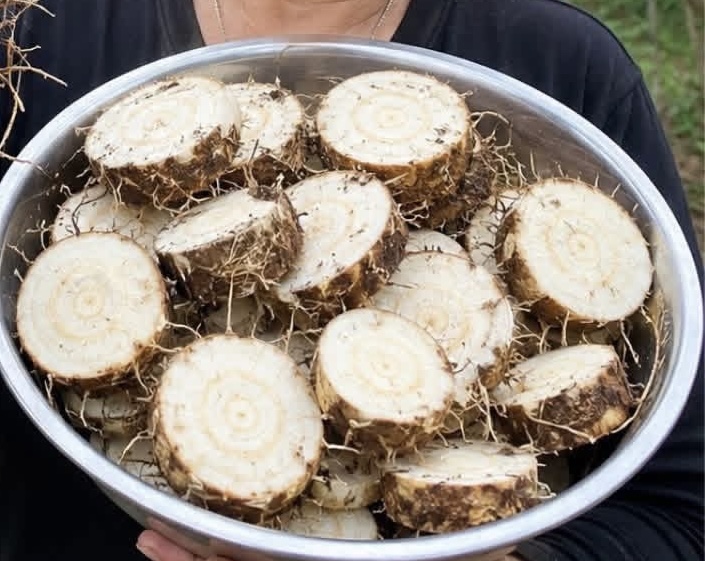
Cassava, also known as yuca, is a starchy root vegetable enjoyed in many cuisines around the world.
This recipe combines boiled cassava with olive oil, garlic powder, and smoked paprika before roasting it until golden and crisp.
The result is a comforting side dish that works beautifully for family dinners, weekend meals, and gatherings.
Important: Cassava should never be eaten raw. Proper peeling and cooking are essential before consumption.
Recipe Overview
| Recipe Detail | Information |
| Prep Time | 15 minutes |
| Cook Time | 35 minutes |
| Total Time | 50 minutes |
| Servings | 4 servings |
| Course | Side Dish |
| Cuisine | International |
| Difficulty | Easy |
| Cooking Method | Boiling & Roasting |
| Oven Temperature | 425°F (220°C) |
Why You’ll Love This Recipe
These crispy roasted cassava wedges are simple to prepare and require only a handful of everyday ingredients.
Boiling the cassava first creates a tender, fluffy interior.
Roasting afterward gives the outside a delicious golden-brown texture.
The combination of garlic and smoked paprika adds savory flavor without overpowering the natural taste of the cassava.
This affordable side dish is also a wonderful alternative to traditional roasted potatoes when you want to try something different.
Ingredients
Cassava Ingredients
| Ingredient | Quantity | Notes |
| Cassava (Yuca) Root | 2 lbs | Peeled and cut into wedges |
| Water | 6 cups | For boiling |
| Sea Salt | 1 tbsp | Added to the boiling water |
Seasoning & Roasting Ingredients
| Ingredient | Quantity | Notes |
| Extra Virgin Olive Oil | 3 tbsp | For roasting |
| Garlic Powder | 1 tsp | Adds savory flavor |
| Smoked Paprika | 1/2 tsp | Adds mild smoky flavor |
| Fresh Parsley | 2 tbsp | Finely chopped for garnish |
Step-by-Step Instructions
Prepare the Cassava
Rinse the cassava roots under cool running water.
Using a sharp knife, carefully cut off both ends of each root.
Cut the cassava into manageable sections.
Remove the thick brown outer skin completely.
The inner core can be tough and woody, so remove it before serving or cut the wedges around it.
Cut the peeled cassava into thick, evenly sized wedges.
Boil the Cassava
Place the cassava wedges in a large pot.
Add 6 cups of water and 1 tablespoon of sea salt.
Bring the water to a full boil over high heat.
Reduce the heat slightly and boil the cassava for approximately 15 to 20 minutes.
The cassava should become fork-tender while still holding its shape.
Do not allow the pieces to become completely mushy.
Prepare for Roasting
Preheat the oven to 425°F (220°C).
Drain the cassava thoroughly.
Allow the cooked wedges to steam-dry for approximately 5 minutes.
Removing excess moisture helps create a crispier roasted exterior.
Transfer the cassava to a large mixing bowl.
Drizzle with the olive oil.
Sprinkle with garlic powder and smoked paprika.
Gently toss until the wedges are evenly coated.
Roast the Cassava
Arrange the seasoned wedges on a baking sheet in a single layer.
Leave some space between the pieces.
Place the baking sheet in the preheated oven.
Roast for approximately 20 to 25 minutes, turning the wedges halfway through cooking.
Continue roasting until the edges are golden brown and crisp.
Garnish and Serve
Remove the cassava from the oven.
Sprinkle with freshly chopped parsley.
Serve immediately while the wedges are hot and crispy.
Best Tips
Always peel and cook cassava thoroughly before eating it.
Boiling the cassava first is essential for achieving a tender center.
Allow the boiled wedges to steam-dry before adding the oil.
Too much surface moisture can prevent the cassava from becoming crispy.
Avoid overcrowding the baking sheet.
Giving each wedge enough space allows hot air to circulate around the pieces.
For extra crispiness, turn the wedges halfway through roasting.
Best Ingredient Options
Choose cassava roots that feel firm and heavy for their size.
Avoid roots with soft areas, excessive discoloration, or an unpleasant odor.
Extra virgin olive oil adds a pleasant flavor and helps the cassava develop a golden crust.
Fresh garlic can also be used for a stronger garlic flavor, although garlic powder distributes more evenly.
Fresh parsley provides a bright finishing flavor and attractive color.
If cassava is unavailable, potatoes or sweet potatoes can be prepared using a similar roasting method, although cooking times may vary.
Recipe Variations
Spicy Roasted Cassava
Add 1/4 teaspoon of cayenne pepper or a pinch of red pepper flakes to the seasoning mixture.
This creates a pleasantly spicy side dish.
Parmesan Cassava Wedges
Sprinkle finely grated Parmesan over the cooked wedges during the final 5 minutes of roasting.
Continue baking until the cheese is lightly golden.
Garlic Herb Cassava
Add dried oregano, thyme, or Italian seasoning along with the garlic powder.
Finish with fresh parsley after roasting.
Lemon Herb Cassava
Add a small amount of fresh lemon zest and a squeeze of lemon juice immediately before serving.
The acidity provides a refreshing contrast to the starchy cassava.
Creamy Cassava Mash
Instead of roasting the boiled cassava, mash it with butter, roasted garlic, and a little milk or cream.
Season with salt and pepper for a comforting side dish.
What to Serve With
Crispy roasted cassava pairs beautifully with grilled chicken and roasted meats.
Serve it alongside grilled steak for a hearty dinner.
It also works well with baked fish, roasted vegetables, or a fresh green salad.
For dipping, serve the wedges with garlic aioli, cilantro sauce, spicy mayonnaise, or a fresh herb dip.
The crispy texture also makes these cassava wedges a great alternative to traditional fries.
Make-Ahead Instructions
Cassava can be peeled, cut, and boiled up to 2 days in advance.
Allow the cooked cassava to cool completely.
Store it in an airtight container in the refrigerator.
When ready to cook, toss the cassava with the oil and seasonings.
Roast it directly in a preheated oven until hot and crispy.
This method is convenient for meal preparation and busy weeknight dinners.
Storage
Allow leftover roasted cassava to cool completely before storing.
Place the leftovers in an airtight container.
Refrigerate for up to 3 days.
For the best texture, reheat the cassava rather than eating it cold.
Reheating
The air fryer is one of the best methods for restoring the crispy texture.
Preheat the air fryer to 380°F (190°C).
Heat the cassava for approximately 5 to 7 minutes, shaking the basket halfway through.
You can also reheat the wedges in a 400°F (200°C) oven for approximately 8 to 12 minutes.
Avoid microwaving when possible because it can make the cassava soft.
Freezing
For longer storage, freeze the boiled cassava before roasting.
Allow the cooked wedges to cool completely.
Arrange them on a baking sheet in a single layer and freeze until solid.
Transfer the frozen pieces to a freezer-safe bag or airtight container.
Store for up to 3 months.
When ready to cook, season the frozen cassava and roast it directly from frozen.
Add several extra minutes to the roasting time as needed.
Common Mistakes to Avoid
Eating Cassava Raw
Never eat raw cassava.
Cassava contains naturally occurring cyanogenic compounds, so proper preparation and cooking are important.
Not Removing the Peel
The tough outer skin should be completely removed before cooking.
Do not rely on washing alone to make the peel suitable for eating.
Leaving the Woody Core
Some cassava roots have a tough central core.
Remove the fibrous portion before serving for a more pleasant texture.
Skipping the Boiling Step
Roasting raw cassava alone can result in an unpleasantly firm texture.
Boiling first helps produce a tender interior.
Adding Too Much Oil
Excess oil can make the wedges greasy instead of crisp.
Use enough oil to lightly coat the pieces.
Overcrowding the Pan
When the wedges are packed too closely together, steam can build up.
Spread them into a single layer with space between the pieces.
Not Turning the Wedges
Turning the cassava halfway through roasting helps promote more even browning.
Nutrition Estimate
| Nutrient | Amount Per Serving |
| Calories | Approximately 320 kcal |
| Protein | 3 g |
| Carbohydrates | 65 g |
| Fat | 11 g |
| Fiber | Approximately 3 g |
| Sodium | Approximately 350 mg |
Nutrition information is an estimate and can vary depending on ingredient brands, portion sizes, and preparation methods.
Frequently Asked Questions
What does cassava taste like?
Cooked cassava has a mild, slightly sweet flavor with a starchy texture.
Its texture is denser than a typical potato and works especially well when boiled and roasted.
Is cassava the same as yuca?
Yes.
In many parts of the world, cassava is commonly called yuca.
It should not be confused with the ornamental yucca plant.
Can I fry cassava instead of roasting it?
Yes.
After properly peeling and boiling the cassava, the wedges can be fried in hot oil until golden and crisp.
Roasting provides a less oily alternative.
Can I use an air fryer?
Yes.
After boiling and drying the cassava, coat the wedges with oil and seasonings.
Air fry at approximately 400°F (200°C) until golden and crisp, turning them during cooking.
Cooking time will vary depending on the size of the wedges and your air fryer.
Is cassava gluten-free?
Plain cassava is naturally gluten-free.
However, always check packaged seasonings and sauces for their individual ingredients if you need to avoid gluten.
Can I use frozen cassava?
Yes, if it is a commercially prepared frozen cassava product.
Follow the package preparation instructions and ensure the cassava is thoroughly cooked before eating.
How can I make cassava extra crispy?
The key is to boil it until tender, drain it well, allow it to steam-dry, and avoid overcrowding the baking sheet.
A hot oven and turning the wedges halfway through roasting also help develop a crisp exterior.
Final Thoughts
Crispy roasted cassava is a simple and delicious way to enjoy this hearty root vegetable.
The combination of a tender center, golden edges, garlic seasoning, and smoky paprika creates a satisfying side dish for everyday meals.
With proper preparation and thorough cooking, cassava can become a versatile addition to your recipe collection.
Serve these crispy wedges with grilled meats, fresh salads, homemade dips, or your favorite main course for a comforting and flavorful meal.
⚠️This recipe may not be suitable for everyone, so it is advisable to consult a doctor.