Introduction
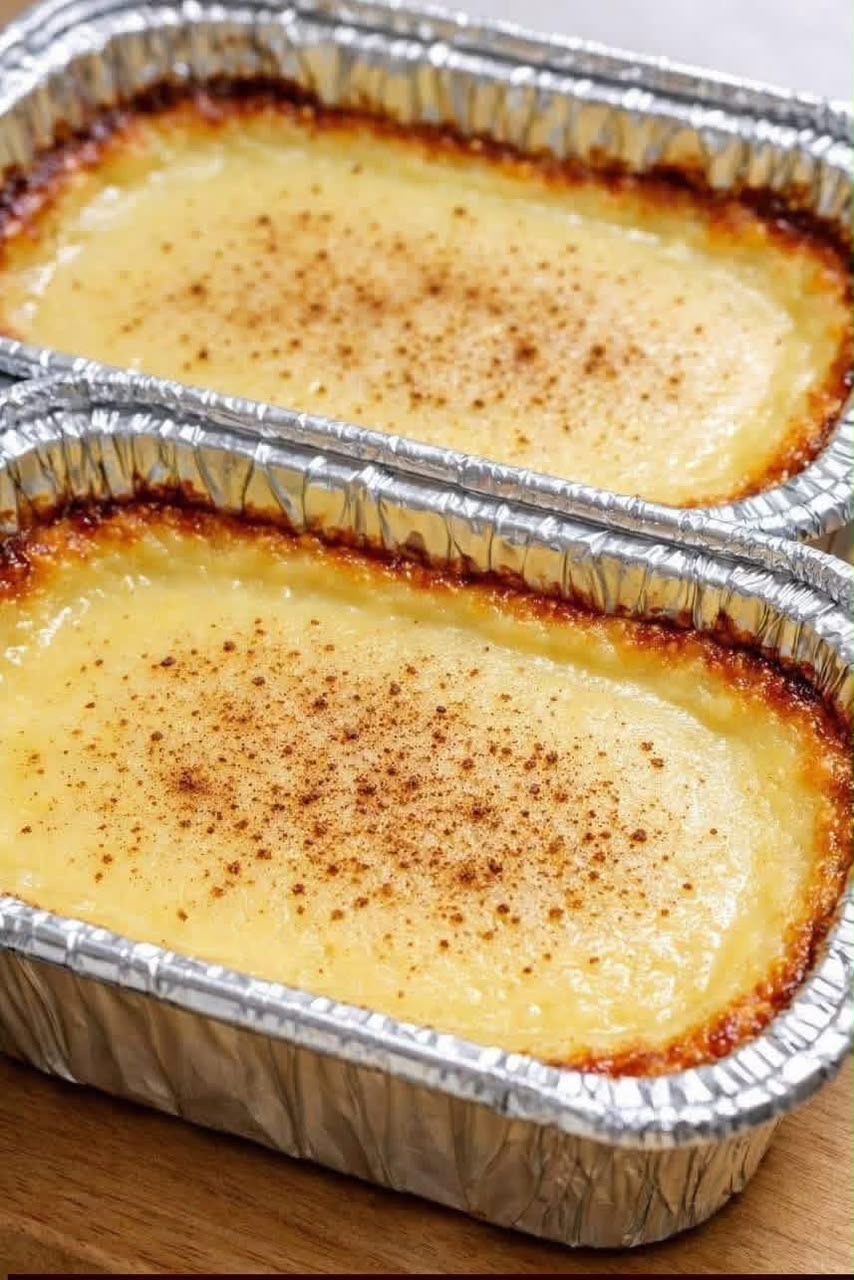
This Creamy Baked Egg Custard is a classic old-fashioned dessert with a silky, delicate texture and a beautifully golden top. The custard is gently baked until just set, with a lightly browned edge and a warm dusting of ground nutmeg or cinnamon.
It is simple, comforting, and made with everyday ingredients. Serve it warm for a cozy dessert or chilled for an extra-creamy texture.
Recipe Overview
| Category | Details |
| Prep Time | 10 minutes |
| Cook Time | 45–55 minutes |
| Total Time | About 1 hour |
| Servings | 8 |
| Cuisine | Classic American |
| Course | Dessert |
| Texture | Smooth, creamy & silky |
| Difficulty | Easy |
Why You’ll Love This Recipe
This custard has a wonderfully smooth texture that practically melts in your mouth. The combination of milk, eggs, vanilla, and sugar creates a rich but delicate flavor without requiring complicated techniques.
The lightly caramelized edges add a delicious contrast to the soft center, while a little nutmeg or cinnamon on top gives the dessert a warm, comforting finish.
It is also an excellent make-ahead dessert because it tastes delicious both warm and chilled.
Ingredients
For the Custard
| Ingredient | Amount |
| Whole milk | 4 cups |
| Large eggs | 4 |
| Granulated sugar | ¾ cup |
| Vanilla extract | 2 teaspoons |
| Salt | ¼ teaspoon |
| Ground nutmeg | ½ teaspoon |
| Ground cinnamon | ¼ teaspoon |
Optional
| Ingredient | Amount |
| Heavy cream | ½ cup |
| Butter, for greasing | 1 tablespoon |
| Extra nutmeg or cinnamon | For sprinkling |
Step-by-Step Instructions
1. Preheat the Oven
Preheat your oven to 325°F (165°C). Lightly grease a 9-inch × 13-inch baking dish or several smaller oven-safe dishes with butter.
2. Warm the Milk
Pour the milk into a saucepan and warm it over medium-low heat until it is hot but not boiling. Remove it from the heat.
If using heavy cream, combine it with the milk before warming.
3. Whisk the Eggs
In a large bowl, whisk together the eggs, sugar, salt, and vanilla extract until smooth and well combined.
Do not whip the mixture excessively—you want to avoid incorporating too much air.
4. Combine the Milk and Eggs
Slowly pour the warm milk into the egg mixture while whisking continuously.
Adding the milk gradually helps prevent the eggs from scrambling.
5. Strain the Custard
For an especially smooth custard, pour the mixture through a fine-mesh sieve into a clean bowl or directly into your prepared baking dish.
6. Add the Spice
Pour the custard into the prepared dish. Sprinkle the top lightly with ground nutmeg and cinnamon.
7. Prepare a Water Bath
Place the custard dish inside a larger roasting pan. Carefully pour hot water into the larger pan until it reaches about halfway up the sides of the custard dish.
The water bath helps the custard cook gently and prevents the edges from becoming too firm.
8. Bake
Carefully place the pan in the oven and bake for approximately 45–55 minutes.
The custard should be set around the edges but still have a slight gentle jiggle in the center.
9. Cool
Remove the custard from the water bath and allow it to cool at room temperature for about 30 minutes.
For a chilled dessert, refrigerate for at least 2 hours before serving.
10. Serve
Sprinkle with a little additional nutmeg or cinnamon if desired. Serve warm, at room temperature, or chilled.
Best Tips
For the smoothest custard, avoid boiling the milk. It only needs to become hot enough to blend easily with the eggs.
Whisk the eggs gently rather than vigorously. Too much air can create bubbles and an uneven surface during baking.
A water bath is one of the best tricks for achieving a soft, silky texture. It protects the custard from direct, intense heat.
Do not overbake the custard. The center should still have a slight wobble when you remove it from the oven because it will continue setting as it cools.
Best Ingredient Options
Whole milk: Gives the custard a creamy, traditional texture. For a richer result, replace ½ cup of the milk with heavy cream.
Eggs: Use fresh large eggs at room temperature for the most consistent results.
Vanilla: Pure vanilla extract provides the best flavor, but vanilla bean paste can be used for an even richer vanilla taste.
Nutmeg: Freshly grated nutmeg has a particularly warm and fragrant flavor.
Recipe Variations
Cinnamon Vanilla Custard
Increase the cinnamon slightly and add an extra splash of vanilla for a warmer, more aromatic dessert.
Lemon Custard
Add 1 tablespoon of finely grated lemon zest to the custard mixture for a fresh citrus flavor.
Coconut Custard
Replace 1 cup of the milk with unsweetened coconut milk and add a little shredded coconut before baking.
Caramel Custard
Pour a thin layer of homemade caramel sauce into the bottom of the baking dish before adding the custard mixture.
Raisin Custard
Add a small handful of raisins to the bottom of the baking dish before pouring in the custard.
What to Serve With
This custard is delicious on its own, but it pairs beautifully with fresh berries, sliced strawberries, peaches, or bananas.
For a more indulgent dessert, serve it with a small spoonful of whipped cream or a drizzle of caramel sauce.
A cup of coffee, tea, or espresso also makes a wonderful accompaniment.
Make-Ahead Instructions
The custard can be prepared up to 1 day in advance. Bake as directed, allow it to cool completely, cover, and refrigerate.
In fact, chilling overnight allows the flavors to develop and gives the custard an even firmer, creamier texture.
Storage
Store leftover custard covered in the refrigerator for up to 3–4 days.
Keep it refrigerated and avoid leaving it at room temperature for extended periods.
Reheating
For a warm serving, place an individual portion in the microwave and heat gently in short intervals.
You can also warm it in a low-temperature oven until just heated through. Avoid overheating, as excessive heat can cause the custard to become watery or rubbery.
Freezing
Freezing is not recommended for the best texture. Egg-based custards can become watery or slightly grainy after thawing.
For the creamiest results, prepare the custard fresh and refrigerate leftovers instead.
Common Mistakes to Avoid
Overheating the milk: Boiling milk can make it difficult to combine smoothly with the eggs.
Adding hot milk too quickly: Slowly temper the eggs with the warm milk while whisking.
Skipping the water bath: Direct heat can cause the edges to overcook before the center is ready.
Overbaking: A completely firm custard in the oven is usually a sign that it has been baked too long. Look for a gentle jiggle in the center.
Cutting immediately: Give the custard time to cool and set before serving.
Nutrition Estimate
Approximate per serving, based on 8 servings and whole milk.
| Nutrient | Amount |
| Calories | ~180 kcal |
| Protein | ~6 g |
| Carbohydrates | ~24 g |
| Fat | ~7 g |
| Saturated Fat | ~3 g |
| Sugar | ~23 g |
| Sodium | ~100 mg |
Frequently Asked Questions
Can I make this custard without a water bath?
Yes, but a water bath is recommended. It provides gentle, even heat and helps produce the smoothest texture.
How do I know when baked custard is done?
The edges should be set while the center should still have a slight jiggle. It will continue firming as it cools.
Can I use evaporated milk?
Yes. Evaporated milk can be used for part or all of the milk for a richer, creamier custard.
Can I serve it cold?
Absolutely. Chilled baked custard is especially creamy and refreshing.
Why did my custard become watery?
This can happen from overbaking, underbaking, or rapid temperature changes. A gentle water-bath bake and proper cooling help prevent this problem.
Final Thoughts
This Creamy Baked Egg Custard is proof that simple ingredients can create an incredibly comforting dessert. With its silky center, golden edges, and delicate nutmeg topping, it is perfect for family dinners, holidays, or whenever you want an easy homemade sweet treat. 🍮✨