Introduction
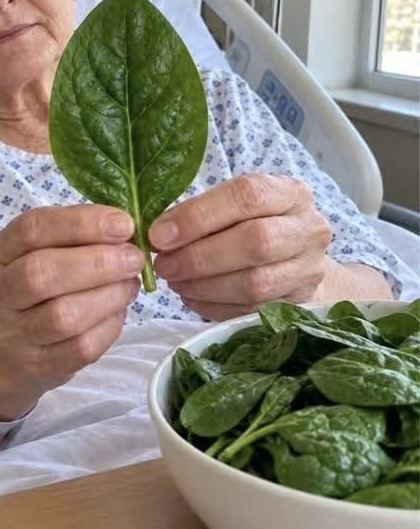
A viral social media post claims that a simple spinach leaf can eliminate cancer cells in just 15 minutes, while suggesting that the reason is being deliberately hidden from the public.
Although spinach is a nutritious vegetable with many health benefits, there is no credible scientific evidence that eating or applying a spinach leaf can eliminate cancer cells in 15 minutes or cure cancer.
This type of sensational claim can spread quickly online because it offers a seemingly simple solution to a serious and frightening disease. Understanding the facts is essential before trusting or sharing health advice on social media.
Does Spinach Really Kill Cancer Cells in 15 Minutes?
No. The claim that spinach can destroy cancer cells in 15 minutes is misleading and unsupported by reliable clinical evidence.
Spinach contains several valuable nutrients, including vitamin K, folate, vitamin C, carotenoids, and other antioxidant compounds. These nutrients contribute to normal bodily functions and can be part of a balanced, healthy diet.
However, the nutritional benefits of spinach should not be confused with a proven cancer treatment.
Scientific research involving individual food compounds or laboratory-grown cells does not establish that eating a particular vegetable can treat cancer in the human body. Cancer is a complex group of diseases, and effective treatment depends on the cancer type, its stage, and the patient’s individual circumstances.
Why Do These Viral Health Claims Spread?
Misleading health posts often use dramatic headlines, mysterious promises, and emotionally powerful images to attract attention.
Some publications claim that a natural cure is being hidden from the public. Others invite readers to comment with a specific word, such as “LEAF,” to receive secret instructions.
These tactics can encourage comments, shares, and clicks without providing reliable medical information.
A dramatic image or a large number of social media interactions does not make a health claim scientifically valid. Before believing such a post, look for trustworthy medical sources, published research, and evidence from properly conducted human clinical trials.
What Are the Real Health Benefits of Spinach?
Spinach can be a valuable addition to a balanced diet.
Rich in essential nutrients: Spinach provides folate, vitamin K, vitamin C, and other nutrients that support normal bodily functions.
Contains beneficial plant compounds: Spinach contains carotenoids and other naturally occurring compounds that contribute to its nutritional value.
Supports a balanced diet: Including a variety of vegetables, fruits, whole grains, legumes, and other nutritious foods can help support overall health.
Provides fiber: Spinach contributes dietary fiber, which supports normal digestive function.
These benefits make spinach a nutritious food, but they do not mean it can replace medical treatment or cure cancer.
Can a Healthy Diet Help Reduce Cancer Risk?
A healthy lifestyle can contribute to reducing the risk of certain cancers, although no diet can guarantee cancer prevention.
Eating a variety of vegetables and fruits, maintaining a healthy weight, staying physically active, limiting alcohol consumption, and avoiding tobacco are among the measures associated with better long-term health.
Cancer risk is influenced by many factors, including age, genetics, environmental exposures, and lifestyle. Some people develop cancer even when they follow healthy habits.
It is therefore important to avoid blaming patients for their illness or suggesting that a particular food can prevent every type of cancer.
What Should You Do If You See This Claim Online?
Before sharing a viral health post, consider the following steps.
Check the original source: Look for the author, publication date, and supporting scientific references.
Consult reputable medical organizations: Organizations such as the National Cancer Institute, the World Health Organization, and established cancer centers provide evidence-based information.
Be cautious of miracle-cure promises: Claims that a common food can cure cancer within minutes or that doctors are hiding a simple cure are major warning signs.
Avoid replacing prescribed treatment: Never stop chemotherapy, radiation therapy, surgery, prescribed medication, or another recommended treatment because of an unverified social media post.
A Safer and More Reliable Approach to Cancer Care
Anyone concerned about cancer symptoms, screening, diagnosis, or treatment should speak with a qualified healthcare professional.
Depending on the diagnosis, cancer care may involve surgery, radiation therapy, chemotherapy, immunotherapy, targeted therapy, or other evidence-based approaches.
Nutritious foods such as spinach can complement a balanced diet during cancer care, but dietary choices should be discussed with the healthcare team when treatment-related needs or restrictions apply.
Frequently Asked Questions
Can spinach cure cancer naturally?
No. Spinach is nutritious, but there is no reliable clinical evidence that it cures cancer. It should be considered a food, not a cancer treatment.
Can spinach destroy cancer cells in 15 minutes?
There is no credible evidence supporting this claim. It is misleading to suggest that a spinach leaf can eliminate cancer cells in the human body within minutes.
Is spinach healthy for everyday eating?
For most people, spinach can be part of a healthy, varied diet. People taking certain medications, including warfarin, may need to keep their vitamin K intake consistent and should seek advice from their healthcare professional.
Should I comment “LEAF” to receive a secret cancer treatment?
Be cautious. Such requests may be designed to increase engagement or direct users toward misleading content. Do not rely on secret-treatment promises without credible scientific evidence.
Can natural foods replace cancer treatment?
No. A healthy diet can support general well-being, but natural foods and supplements should not replace evidence-based cancer treatment.
Final Thoughts
The viral claim that a spinach leaf can eliminate cancer cells in 15 minutes is not supported by scientific evidence. Spinach is a nutritious vegetable, but no single food can be promoted as a guaranteed cure for cancer.
The best approach is to enjoy nutritious foods as part of a balanced diet, verify health information before sharing it, and rely on qualified healthcare professionals for cancer prevention, diagnosis, and treatment advice.
Health misinformation can be dangerous when it delays proper care. Always choose reliable medical evidence over sensational social media claims.
⚠️ This information is for educational purposes only and is not a substitute for professional medical advice. If you have concerns about cancer or a possible treatment, consult a qualified healthcare professional.