Introduction
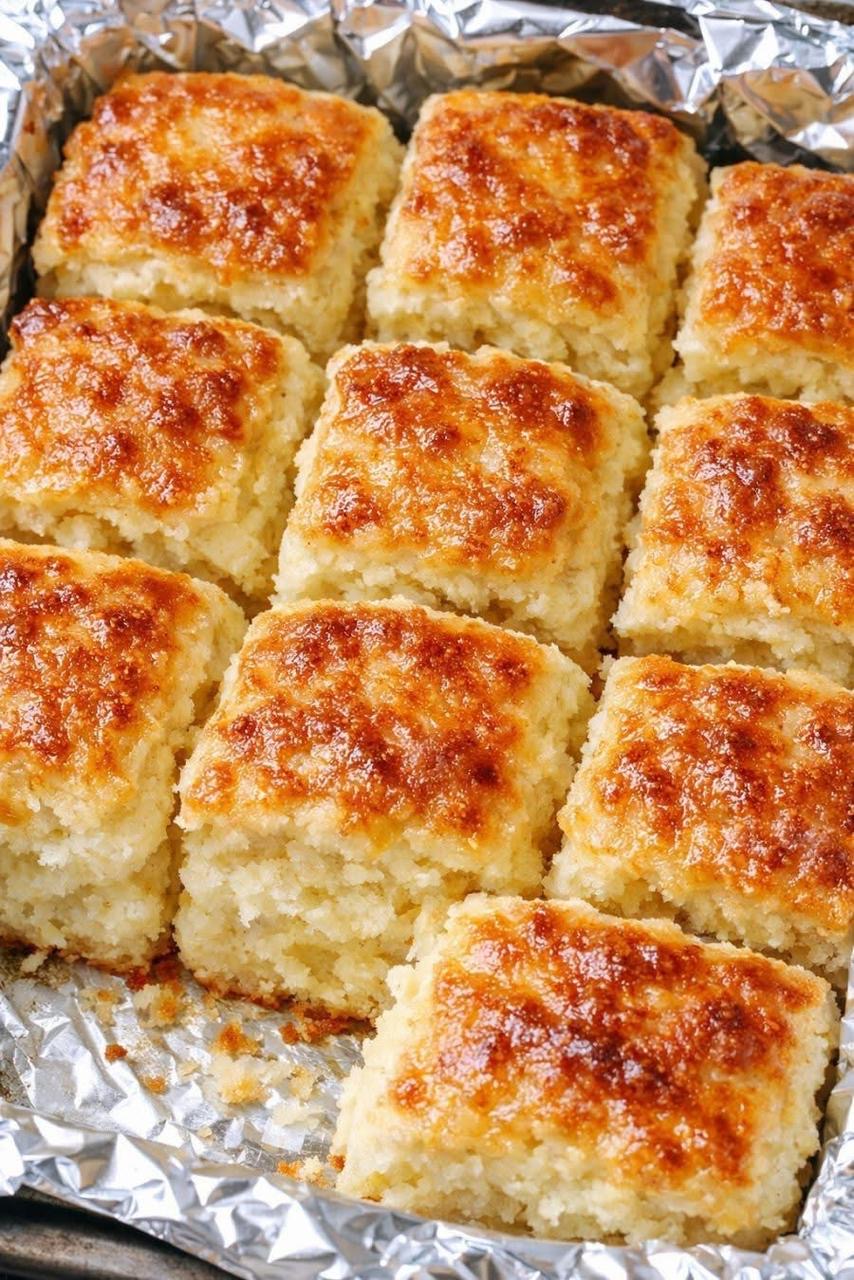
These homemade buttermilk biscuits are everything you want in a classic Southern-style biscuit: golden and beautifully crisp on top, tender and fluffy in the center, with delicious buttery layers throughout. They are made with simple ingredients and baked until deeply golden, making them perfect for breakfast, brunch, or as a comforting side dish.
The secret to achieving those tall, tender biscuits is keeping the butter cold, handling the dough gently, and avoiding overmixing. A final brush of melted butter gives the tops their irresistible golden finish.
Recipe Overview
| Category | Details |
| Recipe Name | Flaky Southern Buttermilk Biscuits |
| Prep Time | 15 minutes |
| Chill Time | 10 minutes |
| Bake Time | 15–20 minutes |
| Total Time | 40–45 minutes |
| Servings | 10–12 biscuits |
| Difficulty | Easy |
| Cuisine | Southern American |
| Best For | Breakfast, Brunch & Side Dish |
Why You’ll Love This Recipe
These biscuits have a wonderfully crisp, golden exterior while staying soft and tender inside. The combination of cold butter and buttermilk creates a rich flavor and a light, flaky texture.
They are also incredibly versatile. Serve them warm with butter and honey for breakfast, use them to make breakfast sandwiches, or pair them with fried chicken, gravy, soups, and hearty dinner dishes.
Ingredients
For the Biscuits
| Ingredient | Amount |
| All-purpose flour 🌾 | 3 cups |
| Baking powder 🥄 | 1 tbsp |
| Baking soda 🥄 | ½ tsp |
| Granulated sugar 🍬 | 1 tbsp |
| Salt 🧂 | 1 tsp |
| Cold unsalted butter 🧈 | ½ cup (113 g) |
| Cold buttermilk 🥛 | 1¼ cups |
For the Golden Top
| Ingredient | Amount |
| Melted butter 🧈 | 2 tbsp |
| Buttermilk 🥛 | 1 tbsp, optional |
Step-by-Step Instructions
1. Preheat the Oven
Preheat your oven to 425°F (220°C).
Line a baking sheet with parchment paper, or lightly grease a baking dish.
2. Combine the Dry Ingredients
In a large bowl, whisk together the flour, baking powder, baking soda, sugar, and salt.
Make sure the ingredients are evenly distributed before adding the butter.
3. Cut in the Cold Butter
Cut the cold butter into small cubes.
Add it to the flour mixture and use a pastry cutter or your fingertips to work the butter into the flour until the mixture resembles coarse crumbs with a few pea-sized pieces of butter remaining.
Do not completely blend the butter into the flour. Those small pieces of cold butter help create flaky layers as the biscuits bake.
4. Add the Buttermilk
Pour the cold buttermilk into the flour mixture.
Gently stir with a wooden spoon or spatula just until a shaggy dough forms.
The dough should look slightly rough and soft. Avoid mixing until perfectly smooth.
5. Fold the Dough
Lightly flour your work surface and transfer the dough onto it.
Gently pat the dough into a rectangle about ¾–1 inch thick.
Fold the dough in half, then gently pat it down again.
Repeat this folding process 2–3 times. This creates beautiful layers without overworking the dough.
6. Cut the Biscuits
Pat the dough to approximately 1 inch thick.
Use a floured 2½–3-inch biscuit cutter to cut out the biscuits.
Press the cutter straight down rather than twisting it. Twisting can seal the edges and prevent the biscuits from rising properly.
Place the biscuits close together on the prepared baking sheet for softer sides, or slightly apart for crispier edges.
7. Chill the Biscuits
For especially flaky biscuits, place the prepared biscuits in the refrigerator for 10 minutes before baking.
This helps keep the butter cold.
8. Brush the Tops
Brush the tops lightly with buttermilk or melted butter.
This helps create the glossy, golden-brown surface shown in the photo.
9. Bake
Bake at 425°F (220°C) for approximately 15–20 minutes, or until the biscuits are puffed and beautifully golden brown.
Keep an eye on them during the final few minutes because baking times can vary between ovens.
10. Add Butter
Immediately after removing the biscuits from the oven, brush the tops with melted butter.
Allow them to cool for about 5 minutes before serving.
Best Tips for Perfect Biscuits
The most important rule is to keep the butter and buttermilk cold. Warm butter melts into the flour before the biscuits reach the oven, which can result in flatter, heavier biscuits.
Handle the dough gently and avoid kneading it like bread dough. A few rough edges and small pockets of butter are exactly what you want.
When cutting the biscuits, press the cutter straight down without twisting. This keeps the edges open so the biscuits can rise properly.
For taller biscuits, make sure the dough is at least ¾–1 inch thick before cutting.
For the most beautiful golden tops, brush the biscuits with melted butter immediately after baking.
Best Ingredient Options
All-purpose flour: The best choice for soft, tender biscuits. For a slightly lighter texture, you can replace a small portion with cake flour.
Buttermilk: Traditional buttermilk gives these biscuits their characteristic flavor and tender texture. If you don’t have buttermilk, you can make a quick substitute by adding 1 tablespoon of lemon juice or white vinegar to 1 cup of milk and letting it sit for 5–10 minutes.
Butter: Unsalted butter allows you to control the salt level. For extra flavor, high-quality European-style butter works beautifully.
Recipe Variations
For cheddar biscuits, fold 1 cup of shredded sharp cheddar cheese into the dough before adding the buttermilk.
For garlic herb biscuits, add minced garlic, dried parsley, and a little dried rosemary to the flour mixture.
For honey butter biscuits, brush the baked biscuits with a mixture of melted butter and honey.
For jalapeño cheddar biscuits, add finely diced jalapeños and shredded cheddar cheese for a savory, slightly spicy variation.
For sweet breakfast biscuits, add an extra tablespoon of sugar and serve them with berries, whipped cream, and honey.
What to Serve With
These biscuits are delicious served warm with butter, honey, jam, or maple syrup.
For a savory breakfast, split them open and fill them with scrambled eggs, cheese, bacon, sausage, or fried chicken.
At dinner, serve them alongside chicken gravy, fried chicken, roasted meats, soups, stews, or creamy casseroles.
Make-Ahead Instructions
You can prepare the biscuit dough several hours ahead and keep the unbaked biscuits covered in the refrigerator until you’re ready to bake them.
For an even more convenient option, cut the biscuits and freeze them before baking. Place them on a tray until solid, then transfer them to a freezer-safe container.
Bake directly from frozen, adding a few extra minutes to the baking time.
Storage
Store cooled biscuits in an airtight container at room temperature for up to 2 days.
For longer storage, refrigerate them in an airtight container for up to 4–5 days, although they are best when freshly baked.
Reheating
For the best texture, reheat biscuits in a 350°F (175°C) oven for approximately 5–8 minutes.
You can also microwave them for about 15–20 seconds, but the oven will give you a much better crisp exterior.
Freezing
Fully baked biscuits can be frozen for up to 3 months.
Wrap each biscuit individually or place parchment paper between them before storing in a freezer-safe bag.
You can reheat frozen biscuits in a 350°F (175°C) oven until warmed through.
Common Mistakes to Avoid
Using warm butter: Warm butter won’t create the flaky pockets needed for light biscuits.
Overmixing the dough: Too much mixing develops gluten and can make the biscuits tough.
Adding too much flour: Excess flour creates a dry, heavy dough. Add only enough flour to make the dough manageable.
Twisting the biscuit cutter: Twisting can compress the edges and prevent the biscuits from rising evenly.
Making the dough too thin: A dough thickness of around 1 inch gives you much taller biscuits.
Skipping the final butter: Brushing the biscuits immediately after baking adds flavor and gives the tops a beautiful finish.
Nutrition Estimate
Approximate values per biscuit, based on 12 biscuits and without additional toppings.
| Nutrient | Amount |
| Calories | ~215 kcal |
| Protein | ~4 g |
| Carbohydrates | ~27 g |
| Fat | ~10 g |
| Saturated Fat | ~6 g |
| Sugar | ~2 g |
| Fiber | ~1 g |
| Sodium | ~330 mg |
Frequently Asked Questions
Why are my biscuits not fluffy?
The most common causes are warm butter, overmixing, or dough that is rolled too thin. Keep the ingredients cold and handle the dough gently.
Can I use regular milk instead of buttermilk?
Yes. You can make a simple buttermilk substitute by mixing milk with lemon juice or white vinegar and letting it sit for several minutes.
Why should the butter be cold?
Cold butter remains in small pieces throughout the dough. When the biscuits bake, the butter melts and creates pockets of steam that contribute to flaky layers.
Can I freeze unbaked biscuits?
Yes. Arrange the cut biscuits on a tray, freeze until solid, then transfer them to a freezer-safe container. Bake them directly from frozen, adding several minutes to the baking time.
How do I get golden-brown biscuit tops?
Brush the tops with buttermilk before baking, then brush them with melted butter immediately after they come out of the oven.
Final Thoughts
These Flaky Southern Buttermilk Biscuits are simple, buttery, golden, and wonderfully tender inside. With cold butter, creamy buttermilk, and a gentle folding technique, you can create bakery-style biscuits right in your own kitchen.
Serve them warm with butter and honey for a comforting breakfast, or pair them with your favorite savory dishes for a delicious homemade side. 🧈🥛✨