Introduction
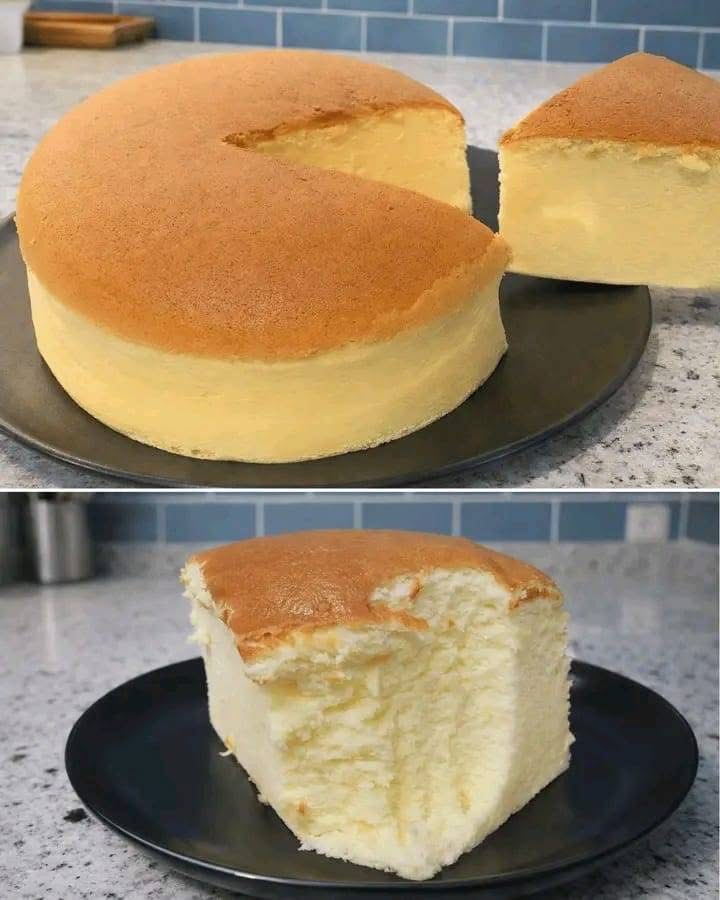
Welcome to the ultimate guide for creating the world’s most luxurious Japanese cotton cheesecake recipe right in your own kitchen. If you love discovering the best dessert recipes that combine a cloud-like texture with a delicate, creamy flavor, this treat is guaranteed to steal the spotlight on your dining table.
Unlike traditional heavy New York-style cakes, this Japanese soufflé cheesecake offers a feather-light bite that practically melts on your tongue. Following this easy baking guide will help you achieve that signature golden-top elevation without any stress or guesswork.
Recipe Overview
| Feature | Details |
| Prep Time | 30 minutes |
| Cook Time | 70 minutes |
| Total Time | 1 hour 40 minutes |
| Servings | 8 slices |
| Course | Dessert |
| Cuisine | Japanese |
Why You’ll Love This Recipe
The texture is uniquely airy, resembling a sweet cloud that gently bounces back when pressed with a fork.
It uses simple, everyday ingredients found in most home kitchens while delivering professional bakery-quality results.
The subtle sweetness and rich dairy notes ensure it never feels heavy or overwhelming after a satisfying meal.
Ingredients
Cheese and Dairy Base
| Ingredient | Quantity | Purpose |
| Cream Cheese | 250 g (softened) | Rich base flavor |
| Unsalted Butter | 60 g | Adds moisture |
| Whole Milk | 140 ml | Smooth consistency |
Dry and Yolk Mixture
| Ingredient | Quantity | Purpose |
| Egg Yolks | 6 large | Structure and richness |
| Cake Flour | 60 g | Light structural integrity |
| Cornstarch | 20 g | Tenderizes the crumb |
| Vanilla Extract | 1 tsp | Enhanced aroma |
| Lemon Juice | 1 tsp | Brightens flavor |
Meringue
| Ingredient | Quantity | Purpose |
| Egg Whites | 6 large | Maximum rise and lift |
| Cream of Tartar | 1/4 tsp | Stabilizes egg whites |
| Granulated Sugar | 90 g | Sweetness and meringue strength |
Step-by-Step Instructions
Preheat your oven to 320°F (160°C) and wrap the outside of an 8-inch round cake pan thoroughly with heavy-duty aluminum foil to prevent water leakage during the water bath.
Line the bottom and sides of your cake pan with parchment paper, ensuring the sides extend about two inches higher than the rim to support the rising cake.
In a heatproof bowl set over a pot of simmering water, melt the cream cheese, unsalted butter, and whole milk together, stirring constantly until completely smooth and creamy.
Remove the bowl from the heat and let it cool slightly before whisking in the six large egg yolks one at a time until fully incorporated.
Sift the cake flour and cornstarch directly into the warm cream cheese mixture, gently whisking just until combined and free of lumps. Stir in the vanilla extract and lemon juice.
In a separate clean, dry glass or metal bowl, beat the six egg whites using an electric mixer on medium speed until foamy.
Add the cream of tartar and gradually incorporate the granulated sugar in three separate additions while continuing to whip the whites.
Continue beating until stiff peaks form that hold a gentle, glossy curl at the tip when the beaters are lifted straight up.
Take one-third of the whipped meringue and fold it gently into the egg yolk batter using a rubber spatula to lighten the heavy mixture.
Pour the lightened batter back into the remaining meringue, folding carefully from the bottom up to preserve as much trapped air as possible without deflating it.
Pour the finished batter into your prepared cake pan, tapping the pan gently on the counter a couple of times to release any large trapped air bubbles.
Place the cake pan inside a larger roasting pan and fill the outer pan with hot water until it reaches about one inch up the sides of the cake pan.
Bake at 320°F (160°C) for 25 minutes, then lower the temperature to 285°F (140°C) and bake for an additional 55 minutes until the top is golden brown and the cake is set.
Turn off the oven and leave the door slightly ajar for 15 minutes to allow the cake to cool down gradually without shrinking from sudden temperature changes.
Remove the cake from the water bath, peel away the parchment paper carefully, and let it cool completely on a wire rack before slicing.
Best Tips
Always use room temperature cream cheese and eggs to ensure a smooth, lump-free batter that incorporates air evenly.
Whisking the meringue to soft-to-medium stiff peaks rather than dry peaks prevents the cake surface from cracking during the baking process.
Using a water bath provides gentle, even heat that keeps the delicate sponge moist and prevents the outer edges from overcooking.
Best Ingredient Options
Substitute whole milk with full-fat Greek yogurt thinned with a splash of water for an extra tangy depth of flavor.
Use organic pasture-raised eggs to achieve a deeper yellow hue and richer taste profile in your finished cheesecake.
Recipe Variations
Fold two tablespoons of high-quality matcha green powder into the flour mixture for an earthy, vibrant green tea variation.
Infuse the warm milk with a split vanilla bean pod for twenty minutes beforehand to give the dessert an elevated gourmet aroma.
What to Serve With
Pair a freshly sliced wedge with a handful of fresh tart raspberries or strawberries to balance the rich dairy sweetness.
Serve alongside a warm cup of freshly brewed Earl Grey tea or a silky macchiato for an afternoon tea experience.
Make-Ahead Instructions
Bake this Japanese cotton cheesecake a full day in advance because the texture and flavor improve significantly after chilling overnight in the refrigerator.
Store the fully cooled cake securely inside an airtight container in the fridge until ready to serve to your family or guests.
Storage
Keep any leftover cheesecake stored inside an airtight container in the refrigerator for up to four days to maintain its moisture.
Ensure the container is sealed tightly to prevent the delicate sponge from absorbing unwanted food odors from the fridge.
Reheating
Enjoy chilled straight from the refrigerator for a refreshing, custard-like texture that highlights the creamy dairy notes.
If you prefer a softer, warm texture, microwave a single slice on medium power for ten to fifteen seconds before eating.
Freezing
Wrap individual un-garnished slices tightly in plastic wrap followed by a layer of heavy-duty aluminum foil before placing them in the freezer.
Store frozen slices for up to one month, and thaw them overnight in the refrigerator before enjoying.
Common Mistakes to Avoid
Opening the oven door frequently during the baking process lets cool air rush inside, causing the delicate soufflé structure to deflate prematurely.
Skipping the parchment paper extension on the pan sides leaves the rising cake without support, which limits its final height and dramatic presentation.
Beating the meringue at too high a speed creates large air pockets that expand rapidly in the oven and cause unsightly surface cracks.
Nutrition Estimate
| Nutrient | Amount per Serving |
| Calories | 240 kcal |
| Total Fat | 14 g |
| Saturated Fat | 8 g |
| Cholesterol | 145 mg |
| Sodium | 110 mg |
| Total Carbohydrates | 22 g |
| Dietary Fiber | 0 g |
| Sugars | 16 g |
| Protein | 6 g |
Frequently Asked Questions
Why did my Japanese cheesecake crack on top? Cracking usually happens when the oven temperature is set too high or when the meringue is whipped past the stiff peak stage, causing it to lose its flexibility.
Can I use low-fat cream cheese for this recipe? Low-fat cream cheese contains too much water and less fat, which ruins the structural integrity and prevents the cheesecake from rising properly.
Why did my cake shrink significantly after baking? Sudden temperature changes cause shrinkage, which is why letting the cake cool inside the turned-off oven with the door cracked is essential.
Final Thoughts
Mastering this Japanese cotton cheesecake is a rewarding baking project that guarantees rave reviews from everyone who tries a slice.
Take your time with the meringue folding process, and you will be rewarded with a breathtaking, cloud-like dessert every single time.