Introduction
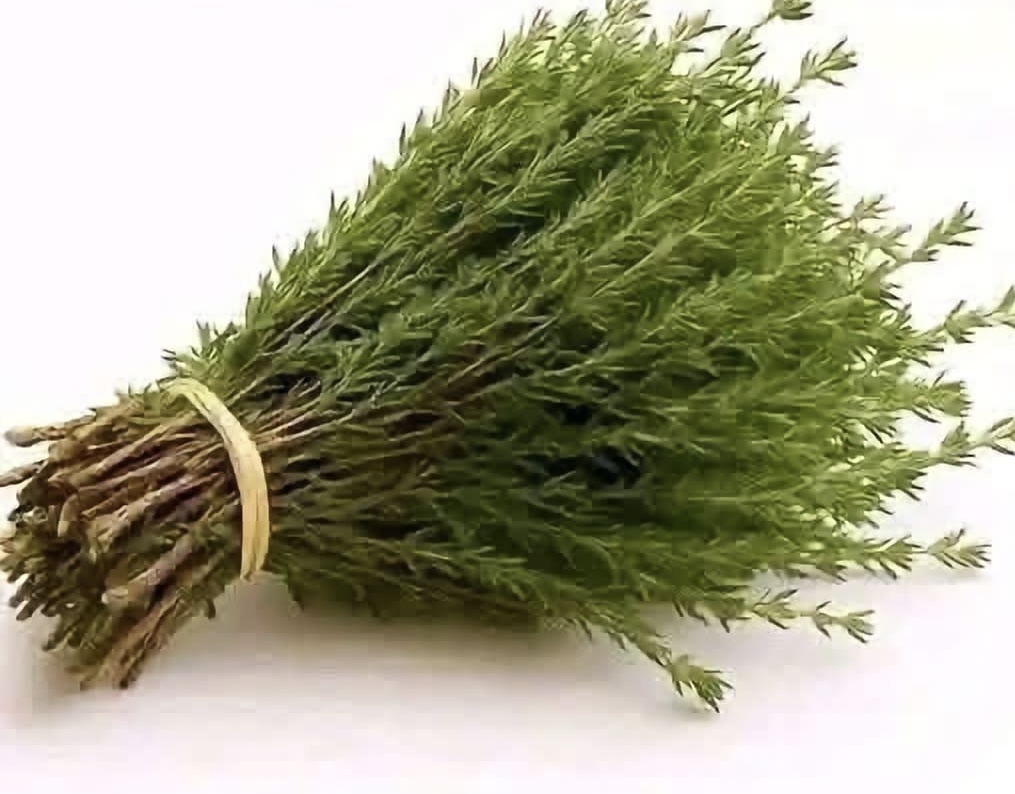
Dill is a fragrant culinary herb with a fresh, slightly grassy flavor that has been used in traditional cooking and herbal preparations for generations. This simple dill herbal tea is an easy way to prepare a warm, soothing beverage using fresh dill or dried dill.
The image associated with this recipe makes several strong claims about dill destroying parasites, urinary tract infections, herpes, flu viruses, joint pain, arthritis, sciatica, and candida. However, these claims should not be treated as proven medical facts. Dill can be enjoyed as a food and herbal infusion, but it should not replace professional medical care or prescribed treatment. Available evidence does not establish that a homemade dill tea can cure or eliminate these infections or medical conditions.
This easy herbal tea recipe is best enjoyed as a flavorful, caffeine-free drink. It can be prepared in just a few minutes and served warm or chilled.
⚠️This recipe may not be suitable for everyone, so it is advisable to consult a doctor.
Recipe Overview
| Category | Details |
| Prep Time | 5 minutes |
| Steeping Time | 8–10 minutes |
| Total Time | 13–15 minutes |
| Servings | 1–2 cups |
| Main Ingredient | Fresh or dried dill |
| Beverage Type | Herbal infusion |
| Difficulty | Very Easy |
| Best Served | Warm or chilled |
Why You’ll Love This Recipe
This homemade dill tea is quick, simple, and made with minimal ingredients. It is a convenient option when you want a warm, caffeine-free herbal beverage without complicated preparation.
The fresh herbal flavor makes it a refreshing alternative to heavily sweetened drinks. You can enjoy it plain or add a small amount of lemon or honey according to your taste.
This is also a budget-friendly herbal tea recipe. Fresh dill is widely available, while dried dill can be stored in the pantry and used whenever you want to prepare a quick homemade infusion.
The recipe is naturally customizable. You can adjust the strength of the tea, add lemon for brightness, or combine dill with other culinary herbs for a different flavor profile.
Ingredients
For the Dill Herbal Tea
| Ingredient | Amount |
| Fresh dill | ¼–½ cup, loosely packed |
| Boiling water | 2 cups |
| Fresh lemon juice | 1–2 teaspoons, optional |
| Honey | 1 teaspoon, optional |
Dried Dill Option
| Ingredient | Amount |
| Dried dill | 1–2 teaspoons |
| Boiling water | 2 cups |
| Lemon juice | Optional |
| Honey | Optional |
Fresh dill generally provides a brighter, more aromatic flavor, while dried dill offers a more concentrated herbal taste.
Step-by-Step Instructions
Prepare the Dill
If using fresh dill, rinse it thoroughly under cool running water to remove any dirt or debris.
Gently pat the dill dry with a clean kitchen towel.
If using dried dill, measure the desired amount and place it directly into a teapot, heatproof glass, or tea infuser.
Boil the Water
Heat approximately 2 cups of water until it reaches a full boil.
For the best flavor, use fresh, clean drinking water.
Steep the Dill
Place the fresh dill or dried dill into a heatproof container.
Pour the boiling water over the herb.
Cover the container and allow the tea to steep for approximately 8–10 minutes.
Covering the tea while it steeps helps retain its aroma.
Strain and Serve
Strain the tea through a fine-mesh strainer to remove the dill.
Pour into a cup and add lemon juice or honey if desired.
Serve warm.
For iced dill tea, allow the infusion to cool completely before refrigerating and serving over ice.
Best Tips
Use fresh dill that has a vibrant green color and a fresh aroma for the best flavor.
Do not steep the tea for too long if you prefer a lighter taste. A longer steeping time can create a stronger and more intense herbal flavor.
Cover the tea while steeping to help preserve the aromatic qualities of the herb.
Add honey only after the tea has cooled slightly if you prefer to use it as a sweetener.
A small amount of lemon juice can brighten the flavor and create a more refreshing herbal drink.
For a stronger tea, increase the amount of dill slightly rather than steeping the tea for an excessively long period.
Best Ingredient Options
Fresh dill is the best option for a bright, delicate herbal flavor.
Dried dill is convenient and has a longer shelf life, making it useful for a pantry-friendly herbal tea recipe.
Fresh lemon juice provides a more vibrant flavor than bottled lemon juice.
Honey adds natural sweetness, but you can leave it out if you prefer an unsweetened beverage.
You can use filtered water for a clean-tasting herbal infusion.
Recipe Variations
Lemon Dill Herbal Tea
Add fresh lemon juice after steeping for a bright and refreshing flavor.
Honey Dill Tea
Stir in a small amount of honey once the tea has cooled slightly.
Chilled Dill Infusion
Prepare the tea as directed, allow it to cool, refrigerate it, and serve over ice.
Dill and Mint Tea
Add a small amount of fresh mint for a cooling and refreshing flavor combination.
Dill and Ginger Infusion
Add a thin slice of fresh ginger while steeping for a warmer, spicier herbal flavor.
Citrus Dill Tea
Add a small strip of lemon or orange peel during steeping for a subtle citrus aroma.
What to Serve With
Dill herbal tea can be enjoyed on its own as a light, caffeine-free beverage.
It pairs well with fresh fruit, light breakfast foods, salads, sandwiches, and simple homemade snacks.
For a refreshing afternoon drink, serve it chilled with lemon slices and ice.
You can also enjoy it alongside savory dishes where fresh herb flavors complement the meal.
Make-Ahead Instructions
You can prepare dill tea several hours ahead of time.
Prepare the infusion according to the recipe, allow it to cool, and transfer it to a covered container.
Refrigerate until ready to serve.
For the best flavor, consume refrigerated herbal tea within a reasonable period and discard it if its appearance, smell, or taste changes noticeably.
Storage
Store leftover dill tea in a clean, covered container in the refrigerator.
For the best flavor and freshness, enjoy it within 1–2 days.
Do not leave prepared herbal tea at room temperature for extended periods.
Reheating
Pour the desired amount into a heatproof cup and gently warm it on the stovetop or in the microwave.
Avoid repeatedly boiling the tea, as this can change its flavor.
For the best taste, prepare a fresh batch whenever possible.
Freezing
Dill tea can technically be frozen, although freezing may slightly change its fresh herbal flavor.
You can freeze the cooled tea in ice cube trays and use the cubes in chilled herbal drinks.
For the best flavor, freshly prepared dill tea is recommended.
Common Mistakes to Avoid
Do not assume that a herbal infusion can cure infections or replace medical treatment. Serious symptoms such as urinary pain, fever, persistent joint pain, unusual discharge, or suspected infection should be evaluated by a qualified healthcare professional.
Avoid using excessive amounts of herbs in an attempt to create a stronger medicinal effect. More is not necessarily better.
Do not use dill that appears spoiled, slimy, or has an unpleasant odor.
Avoid storing prepared tea at room temperature for too long.
Do not add too much lemon or honey before tasting the tea, as a small amount is usually enough.
People who are pregnant, breastfeeding, taking medication, or managing a medical condition should ask a healthcare professional before using concentrated herbal preparations. Dill is generally recognized as safe as a food, but herbal preparations may differ from ordinary culinary use.
Nutrition Estimate
| Nutrient | Approximate Amount Per Cup |
| Calories | 0–20 kcal |
| Protein | Less than 1 g |
| Carbohydrates | 0–5 g |
| Fat | 0 g |
| Fiber | Minimal |
| Sugar | 0–5 g, depending on honey |
| Caffeine | 0 mg |
Nutrition values are estimates and depend on the amount of dill, lemon, honey, and other ingredients used.
Frequently Asked Questions
What does dill tea taste like?
Dill tea has a fresh, grassy, slightly savory flavor with a delicate herbal aroma. Lemon or honey can make the flavor brighter and more balanced.
Can dill tea cure a urinary tract infection?
No. Dill tea should not be considered a treatment or cure for a urinary tract infection. Anyone with symptoms of a UTI should seek appropriate medical advice and treatment.
Can dill tea destroy parasites?
There is not enough reliable clinical evidence to claim that a homemade dill tea can eliminate human parasitic infections. It should not replace proper diagnosis or prescribed treatment.
Can I drink dill tea every day?
Dill is commonly used as a food, but regular use of concentrated herbal preparations may not be appropriate for everyone. If you plan to consume it frequently, especially in large amounts, consult a healthcare professional.
Can I use dill seeds instead of fresh dill?
Yes, dill seeds can create a different and stronger flavor. Use them in moderation and adjust the amount according to taste.
Can I drink dill tea during pregnancy?
If you are pregnant, speak with your doctor or qualified healthcare professional before consuming herbal preparations regularly. Safety can depend on the amount and form used.
Is dill tea caffeine-free?
Yes. Dill herbal tea naturally contains no caffeine.
Can I add other herbs?
Yes. Mint, ginger, lemon balm, or a small amount of another culinary herb can be used to create different flavor combinations.
Final Thoughts
This simple dill herbal tea is an easy, refreshing, and caffeine-free drink made with a familiar culinary herb. With just dill and hot water, you can prepare a warm homemade infusion in minutes and customize it with lemon or honey.
Although dill has a long history of culinary and traditional use, strong claims that it cures parasites, infections, viruses, arthritis, sciatica, or candida should not be presented as established medical facts. Enjoy this recipe as a beverage, and seek professional medical advice for any symptoms or health condition requiring treatment.
⚠️This recipe may not be suitable for everyone, so it is advisable to consult a doctor.