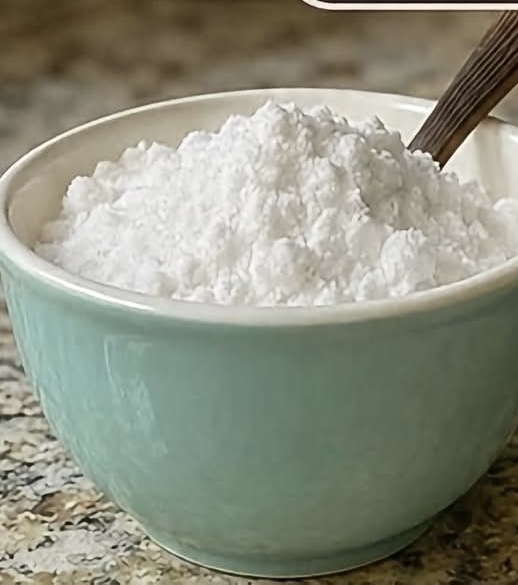
Dark spots, uneven skin tone, and fine lines are common skincare concerns, leading many people to search for affordable DIY beauty treatments. Baking soda is often promoted online as a natural remedy for brighter skin, but it’s important to understand both its potential benefits and its risks before applying it to your face.
While baking soda can provide gentle exfoliation for some skin types, there is no scientific evidence that it removes wrinkles, permanently fades dark spots, or eliminates dark circles. Because it has a high alkaline pH, frequent use may damage the skin barrier and cause irritation, especially for sensitive skin.
If you still want to try a mild exfoliating treatment, follow this carefully and use it only occasionally.
Recipe Overview
| Recipe Name | Gentle Baking Soda Face Exfoliating Paste |
| Category | DIY Skincare |
| Prep Time | 2 minutes |
| Application Time | 30-60 seconds |
| Total Time | 3 minutes |
| Difficulty | Easy |
| Skin Type | Normal to Oily (avoid sensitive or damaged skin) |
| Frequency | No more than once every 1-2 weeks |
Why You’ll Love This Recipe
This homemade skincare recipe uses inexpensive ingredients that are already found in many kitchens.
The simple preparation takes only a few minutes and requires no special equipment.
When used gently and infrequently, it may temporarily leave the skin feeling smoother by removing some dead skin cells.
It can easily be combined with a good moisturizer as part of a basic skincare routine.
Ingredients
| Ingredient | Amount |
| Baking Soda | 1 teaspoon |
| Water | 1-2 teaspoons |
Optional Ingredients
| Ingredient | Amount | Purpose |
| Pure Honey | ½ teaspoon | Extra moisture |
| Aloe Vera Gel | ½ teaspoon | Soothing effect |
Step-by-Step Instructions
Place one teaspoon of baking soda into a small clean bowl.
Slowly add water until a smooth, spreadable paste forms.
If desired, stir in honey or aloe vera gel until evenly mixed.
Wash your face with a gentle cleanser before applying the mixture.
Apply a thin layer while avoiding the eyes and lips.
Massage very gently using small circular motions for no longer than 30 to 60 seconds.
Rinse thoroughly with lukewarm water.
Pat your skin dry using a soft towel.
Finish with a fragrance-free moisturizer and apply sunscreen if using during the daytime.
Best Tips
Always perform a patch test on your inner arm 24 hours before using the recipe.
Avoid using this treatment on broken, irritated, sunburned, or freshly shaved skin.
Use only gentle pressure while massaging to avoid damaging the skin.
Immediately stop using the mixture if burning, redness, or irritation develops.
Always moisturize after exfoliating to help protect your skin barrier.
Wear SPF 30 or higher every day to help prevent new dark spots.
Best Ingredient Options
| Original Ingredient | Alternative |
| Water | Rose Water |
| Honey | Plain Yogurt |
| Aloe Vera | Cucumber Gel |
| Baking Soda | Finely Ground Oatmeal (gentler option) |
Recipe Variations
You can mix baking soda with aloe vera gel for additional soothing properties.
A small amount of honey creates a more moisturizing paste.
For sensitive skin, oatmeal is generally a gentler exfoliating alternative than baking soda.
Some people prefer adding plain yogurt for a creamier texture.
What to Serve With
Although this is not a food recipe, it works best as part of a complete skincare routine.
Follow with a gentle moisturizer containing ceramides.
Vitamin C serum may help brighten the appearance of uneven skin tone over time.
Niacinamide serum may improve the look of enlarged pores and uneven texture.
Daily broad-spectrum sunscreen is one of the most effective ways to prevent additional pigmentation.
Make-Ahead Instructions
Prepare a fresh batch immediately before each use for the best hygiene and consistency.
Storage
Discard any leftover mixture after use.
Fresh ingredients should not be stored once mixed.
Reheating
No reheating is required.
Freezing
Freezing is not recommended.
Common Mistakes to Avoid
Using baking soda too frequently can dry out and irritate the skin.
Leaving the mixture on the face for several minutes increases the chance of irritation.
Scrubbing aggressively may cause redness and damage the skin barrier.
Using the recipe on active acne, eczema, rosacea, or broken skin can worsen irritation.
Skipping moisturizer and sunscreen after exfoliation may reduce the benefits of your skincare routine.
Nutrition Estimate
| Nutrient | Amount |
| Calories | 0 |
| Protein | 0 g |
| Fat | 0 g |
| Carbohydrates | 0 g |
| Fiber | 0 g |
| Sugar | 0 g |
| Sodium | Minimal |
Frequently Asked Questions
Does baking soda remove dark spots?
It may temporarily brighten skin by exfoliating dead surface cells, but it is not a proven treatment for hyperpigmentation.
Can baking soda remove wrinkles?
No. There is no reliable scientific evidence that baking soda reduces wrinkles.
Does it help with dark circles?
Dark circles usually have causes such as genetics, pigmentation, blood vessels, or lack of sleep. Baking soda is not a proven treatment.
How often should I use it?
No more than once every one to two weeks, if your skin tolerates it well.
Is baking soda safe for sensitive skin?
Generally, no. Sensitive skin is more likely to become irritated because baking soda is alkaline.
Final Thoughts
This DIY baking soda face mask is a simple and inexpensive exfoliating recipe that may temporarily smooth the skin’s surface. However, online claims that it eliminates dark spots, wrinkles, or dark circles are not supported by strong scientific evidence. For long-term improvements in pigmentation or signs of aging, products with ingredients such as sunscreen, retinoids, vitamin C, azelaic acid, or niacinamide have better evidence.
Disclaimer: This recipe is for cosmetic purposes only and is not intended to diagnose, treat, cure, or prevent any medical condition. If you have sensitive skin, eczema, rosacea, severe acne, or persistent pigmentation concerns, consult a dermatologist before trying DIY skincare treatments.