Introduction
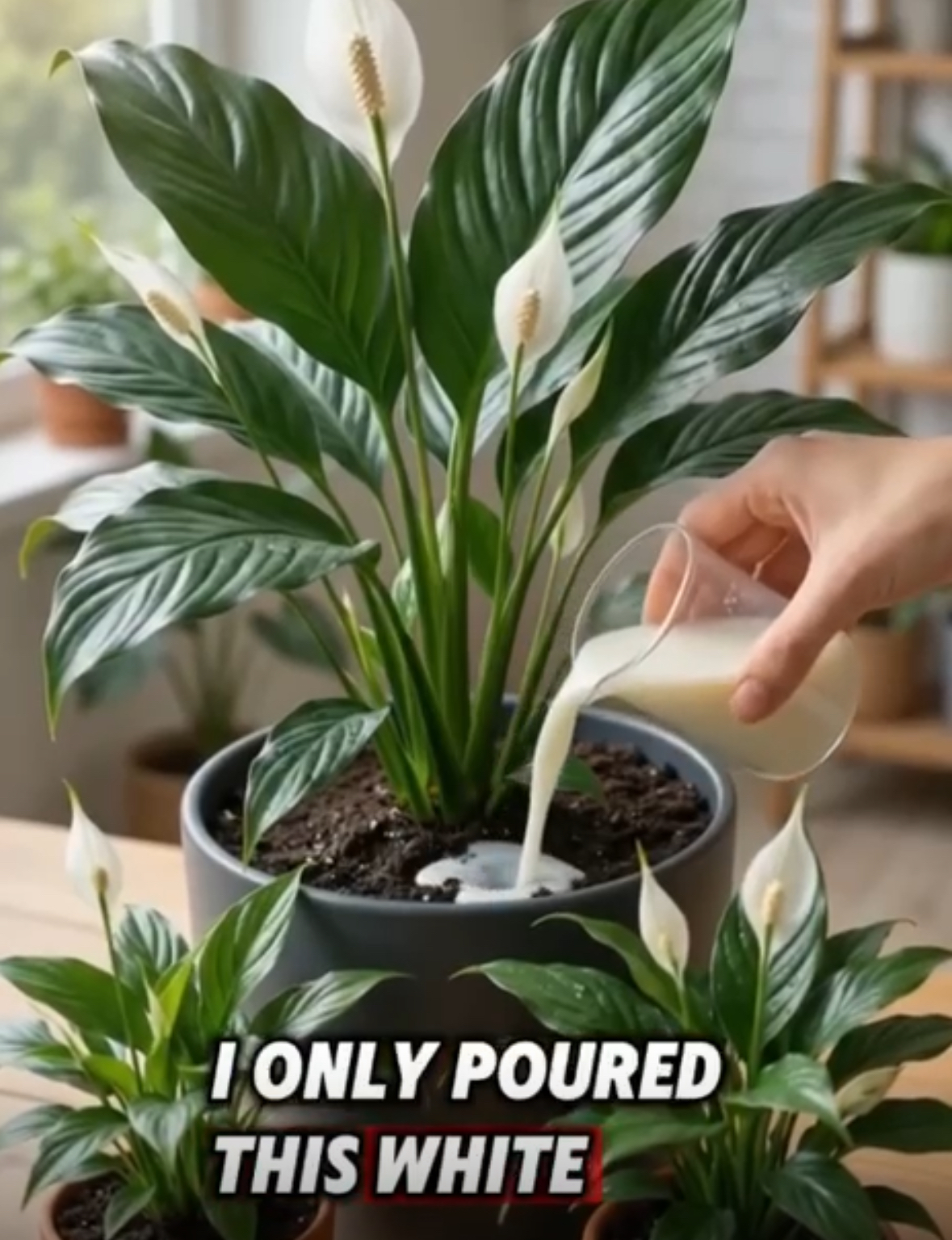
If you have spent any time looking up indoor gardening hacks, you have likely stumbled upon the viral trend of using milk as a homemade plant fertilizer. You might have even seen pictures similar to image_2.png, showing a heavy stream of pure white liquid being poured directly into a potted plant. But does using milk for Peace Lily plants actually work, or is it a recipe for disaster?
While milk does contain trace nutrients like calcium and protein, pouring it directly into your soil isn’t always the best strategy for your houseplant’s health. Improper use can lead to foul odors, mold growth, and an influx of pests. In this comprehensive plant care guide, we will break down the safest way to apply a diluted milk solution to your Peace Lily (Spathiphyllum), as well as the best natural plant care alternatives to guarantee lush, green leaves and beautiful white blooms.
Recipe Overview
| Category | Details |
| Method Name | Milk for Peace Lily Plants |
| Plant Type | Peace Lily (Spathiphyllum) |
| Difficulty | Easy |
| Preparation Time | 5 minutes |
| Application Time | 5 minutes |
| Frequency | Once every 4–6 weeks (strictly if used) |
| Best For | Indoor ornamental plants |
Why You’ll Love This Recipe
You will love this method because it utilizes a common kitchen staple you already have in your fridge, making it an accessible experiment for indoor gardening enthusiasts.
When properly diluted, this natural plant care hack may provide trace amounts of calcium to your soil. Furthermore, highly diluted milk can be used to gently wipe down and clean dusty leaves, helping your plant photosynthesize more effectively.
Most importantly, understanding the limitations of this “recipe” will help you become a better plant parent. By learning when to use this homemade plant fertilizer—and when to skip it—you will avoid common pitfalls and keep your Peace Lily thriving for years to come.
Ingredients
Optional Milk Solution
| Ingredient | Quantity |
| Whole or low-fat milk | 1/2 cup (120 ml) |
| Water (Filtered or Rainwater) | 1/2 cup (120 ml) |
Basic Plant Care Supplies
| Item | Purpose |
| Watering can | Routine hydration |
| Soft microfiber cloth | Cleaning and shining leaves |
| Balanced houseplant fertilizer | Essential, reliable nutrient feeding |
| Well-draining pot | Preventing root rot and encouraging healthy growth |
Step-by-Step Instructions
Step 1: Prepare your solution by mixing equal parts milk and water. Never use undiluted milk, as it will stagnate in the soil.
Step 2: Check the moisture level of your Peace Lily’s soil. If the top inch is dry, water the plant normally with plain water first.
Step 3: Carefully apply a small amount of the diluted milk solution directly to the topsoil. Do not soak the entire pot.
Step 4: Keep the milk solution away from the foliage. Avoid pouring it directly onto the leaves or the delicate white flowers.
Step 5: Limit this treatment. Use this homemade plant fertilizer hack only occasionally—no more than once every four to six weeks.
Step 6: Resume your regular indoor plant care and watering schedule with plain, filtered water between applications.
Step 7: Ensure your Peace Lily is placed in a spot that receives bright, indirect sunlight to encourage optimal growth and flowering.
Step 8: Closely monitor the soil and plant over the next few days. If you notice any unpleasant odors, mold growth, or gnats, discontinue the milk treatment immediately and flush the soil with fresh water.
Best Tips
To truly make your Peace Lily bloom and thrive, focus on consistency. Peace Lilies prefer soil that is lightly moist but never waterlogged. Allowing the plant to sit in soggy soil is a quick path to root rot.
Lighting is crucial. While they are known as low-light tolerant plants, bright, indirect light is the true secret to encouraging healthy foliage and frequent flowering.
Finally, keep the leaves clean. Wipe dust from the broad leaves regularly with a damp microfiber cloth to improve photosynthesis. Feed the plant during its active growing seasons (spring and summer) with a balanced houseplant fertilizer, and plan to repot every two to three years using a fresh, well-draining potting mix.
Best Ingredient Options
While milk is a fun experiment, a commercial indoor plant fertilizer provides a much more balanced and bioavailable source of nutrients for your plants.
If you prefer natural plant care, mixing compost or worm castings into your potting soil is a superior way to enrich the earth over time. For watering, rainwater or filtered water is always the best option, as Peace Lilies can be sensitive to the chlorine and hard minerals often found in tap water.
Recipe Variations
If you want to skip the soil application altogether, you can use a heavily diluted milk mixture (or just plain water) solely as a leaf-cleaning agent. Gently wiping the leaves removes dust and restores their natural shine without risking soil contamination.
For a reliable nutrient boost, substitute the milk entirely with a slow-release granular fertilizer applied during the growing season. This ensures consistent nutrition without the risk of sour smells.
You can also elevate your Peace Lily care by focusing on environmental variations: increase the humidity around your plant using a pebble tray or a humidifier, and regularly prune away faded flowers and yellowing leaves to redirect the plant’s energy into fresh, healthy growth.
What to Serve With
For the ultimate indoor plant setup, “serve” your Peace Lily alongside proper environmental companions. Grouping your Peace Lily with other humidity-loving houseplants (like Ferns or Calatheas) creates a microclimate that benefits all the plants involved.
Pair your plant care routine with a high-quality decorative ceramic pot. Just ensure it has proper drainage holes—combining a beautiful aesthetic with functional drainage is the key to preventing root issues.
Make-Ahead Instructions
Always prepare the diluted milk solution immediately before you plan to use it. Do not mix it ahead of time, as the milk and water solution will quickly spoil if left sitting out.
Storage
Keep any unused milk safely stored in the refrigerator. All standard fertilizers, pest control sprays, and plant care supplies should be stored in a cool, dry location completely out of reach of children and pets.
Reheating
Not applicable. Always use the milk and water solution at room temperature to avoid shocking the plant’s root system.
Freezing
Freezing is not recommended for this method. Always use freshly prepared, room-temperature diluted milk if you choose to apply this treatment.
Common Mistakes to Avoid
The most glaring mistake you can make is using pure, undiluted milk. As seen in image_2.png, pouring thick, unmixed milk directly into the pot will leave a sticky residue, create terrible odors, and rapidly encourage mold and bacterial growth.
Another common error is treating milk as a complete replacement for standard fertilizer. Milk does not contain the balanced macronutrients (Nitrogen, Phosphorus, and Potassium) that your plant needs to survive. Over-relying on milk will lead to severe nutrient deficiencies. Finally, remember that overwatering remains the number one killer of Peace Lilies; pouring extra liquid into an already soggy pot will cause rapid decline, regardless of what that liquid is.
Nutrition Estimate
| Nutrient Provided by Milk | Approximate Role in Plant Care |
| Calcium | Supports plant cell wall structure (though rarely deficient in plants grown in quality commercial potting mixes). |
| Protein | Must be broken down by soil microbes first; it is not a direct, readily available plant nutrient. |
| Water | Hydrates the root system when applied appropriately and in moderation. |
Frequently Asked Questions
Does milk make Peace Lilies bloom? There is no strong scientific evidence that milk directly triggers flowering. Learning how to make a Peace Lily bloom comes down to providing bright indirect light, consistent watering, and proper fertilization.
Can I pour milk directly into the soil? If you choose to try this hack, it must be diluted with equal parts water and applied sparingly. Pouring pure milk into the soil will cause bad odors, mold, and attract pests like fungus gnats.
Is milk better than houseplant fertilizer? No. A commercially formulated balanced fertilizer provides the exact, bioavailable nutrients your plant needs, whereas milk requires soil microbes to break down its proteins before the plant can even attempt to use them.
Can milk damage my plant? Yes. Excessive or improper use can disrupt the soil’s pH and microbial balance, leading to root suffocation, fungal diseases, and pest infestations.
Conclusion
Using diluted milk on a Peace Lily is a popular indoor gardening hack, but it should be treated as an occasional, cautious experiment rather than a cornerstone of your plant care routine. While it offers trace amounts of calcium, the risks of mold, bad smells, and pests often outweigh the benefits. To guarantee a thriving plant with lush foliage and vibrant blooms, stick to the tried-and-true methods: provide bright indirect light, maintain a consistent watering schedule, use well-draining soil, and apply a balanced fertilizer. By following proper houseplant tips, your Peace Lily will stay healthy and beautiful year-round!