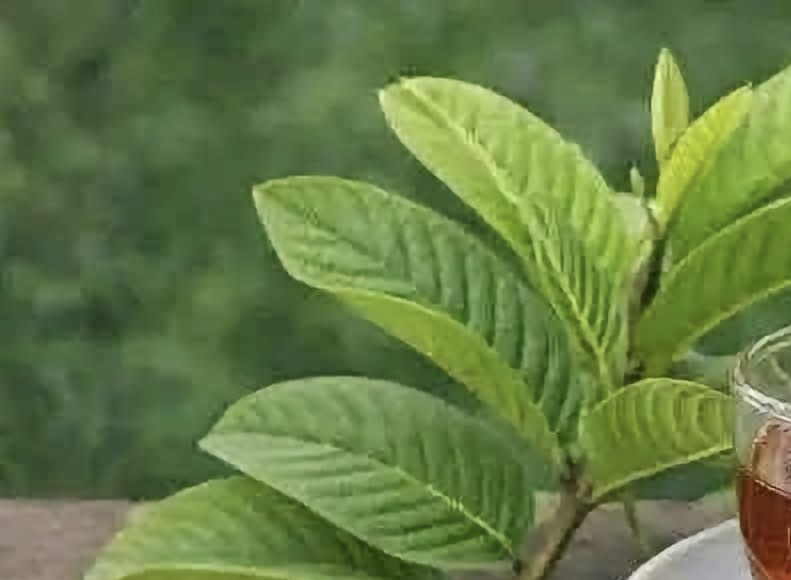
Guava leaf tea has been enjoyed in many parts of the world as a traditional herbal beverage. Made by steeping fresh or dried guava leaves in hot water, this naturally caffeine-free tea has a mild, earthy flavor and contains antioxidants and plant compounds that have been studied for their potential health benefits. However, there is no scientific evidence that guava leaf tea can cure diabetes, cancer, high blood pressure, poor circulation, or eliminate the need for prescribed medications, despite claims commonly shared on social media.
This easy homemade guava leaf tea recipe is a refreshing way to enjoy a traditional herbal drink as part of a healthy lifestyle.
Recipe Overview
| Recipe Details | Information |
| Recipe Name | Homemade Guava Leaf Tea |
| Category | Herbal Tea |
| Cuisine | Traditional |
| Preparation Time | 5 minutes |
| Cooking Time | 10 minutes |
| Total Time | 15 minutes |
| Servings | 2 cups |
| Difficulty | Easy |
| Calories | Approximately 5 per serving |
Why You’ll Love This Recipe
This homemade guava leaf tea is incredibly easy to prepare using only a handful of natural ingredients. Its gentle herbal flavor makes it enjoyable either hot or chilled.
The tea is naturally caffeine-free, making it a relaxing beverage that can be enjoyed throughout the day or in the evening.
Fresh guava leaves contain natural antioxidants and plant compounds, making this tea a flavorful addition to a balanced diet without relying on artificial ingredients.
Whether you’re looking for a comforting warm drink or a refreshing iced tea, this recipe is versatile and simple to customize.
Ingredients
Main Ingredients
| Ingredient | Amount |
| Fresh guava leaves | 10–12 medium leaves |
| Water | 2 cups (500 ml) |
| Fresh lemon juice (optional) | 1 teaspoon |
| Honey (optional) | 1 teaspoon |
Optional Ingredients
| Ingredient | Amount |
| Fresh ginger slices | 3–4 |
| Cinnamon stick | 1 small |
| Fresh mint leaves | 5–6 |
| Orange peel | Small strip |
Step-by-Step Instructions
Step 1
Wash the guava leaves thoroughly under cold running water.
Step 2
Bring 2 cups of water to a gentle boil in a saucepan.
Step 3
Add the guava leaves to the boiling water.
Step 4
Reduce the heat and simmer gently for 8–10 minutes.
Step 5
Remove the saucepan from the heat and allow the tea to steep for an additional 5 minutes.
Step 6
Strain the tea into serving cups.
Step 7
Add honey or fresh lemon juice if desired.
Step 8
Serve warm or allow it to cool and pour over ice for a refreshing iced herbal tea.
Best Tips
Choose young, healthy guava leaves that are free from pesticides or chemical sprays for the best flavor and quality.
Avoid over-boiling the leaves, as this may create a stronger, slightly bitter taste.
Fresh lemon juice enhances the flavor while adding a bright citrus note.
If using dried guava leaves, reduce the quantity slightly since their flavor is more concentrated.
Best Ingredient Options
| Ingredient | Best Choice | Alternative |
| Guava leaves | Fresh organic leaves | Dried guava leaves |
| Sweetener | Raw honey | Maple syrup |
| Citrus | Fresh lemon | Fresh lime |
| Ginger | Fresh root | Fresh turmeric |
| Cinnamon | Ceylon cinnamon | Cassia cinnamon |
Recipe Variations
For a warming version, add fresh ginger and cinnamon while simmering the tea.
Mint leaves create a refreshing herbal flavor that’s perfect for serving chilled during warm weather.
A small strip of orange peel adds a pleasant citrus aroma and natural sweetness.
For a fruity twist, serve the cooled tea with fresh guava slices or berries.
What to Serve With
Guava leaf tea pairs well with whole-grain toast, fresh fruit, oatmeal, or yogurt for breakfast.
It also complements light salads, vegetable soups, and grilled lean proteins for lunch.
Enjoy it with homemade whole-grain muffins or healthy snacks during the afternoon.
Make-Ahead Instructions
Prepare a larger batch and allow it to cool completely before storing it in the refrigerator for quick, ready-to-drink servings.
Storage
Store the tea in an airtight glass container in the refrigerator for up to 3 days.
Shake or stir before serving if natural settling occurs.
Reheating
Warm gently over low heat until hot.
Avoid repeated boiling to preserve the tea’s delicate flavor.
Freezing
Freeze the tea in ice cube trays for up to 2 months.
Use the cubes in smoothies or thaw overnight in the refrigerator before serving.
Common Mistakes to Avoid
Using old or damaged leaves can produce a bitter or unpleasant flavor.
Boiling the tea for too long may make it overly strong.
Adding excessive sweeteners can mask the natural herbal taste.
Avoid believing claims that guava leaf tea can cure serious diseases or replace prescribed medications. While guava leaves contain beneficial plant compounds, more research is needed, and they should not be used as a substitute for professional medical treatment.
Nutrition Estimate
| Nutrient | Per Serving |
| Calories | 5 |
| Carbohydrates | 1 g |
| Protein | 0 g |
| Fat | 0 g |
| Fiber | 0 g |
| Sugar | 0 g (without honey) |
| Sodium | 2 mg |
| Antioxidants | Naturally present |
Frequently Asked Questions
Can guava leaf tea cure diabetes?
No. Although guava leaves have been studied for their potential effects on blood sugar, there is no evidence that guava leaf tea cures diabetes or replaces diabetes medications.
Does guava leaf tea cure cancer?
No. There is no scientific evidence that guava leaf tea cures or prevents cancer.
Can I drink guava leaf tea every day?
Many healthy adults can enjoy it in moderation. If you are pregnant, breastfeeding, have a medical condition, or take prescription medications, consult your healthcare provider before consuming herbal teas regularly.
Can I use dried guava leaves?
Yes. Dried guava leaves work well, though you may need a slightly smaller amount because their flavor is more concentrated.
Is this tea caffeine-free?
Yes. Guava leaf tea is naturally caffeine-free.
Final Thoughts
This Homemade Guava Leaf Tea is a simple, refreshing herbal beverage that can be enjoyed hot or cold as part of a healthy lifestyle. Its mild flavor and naturally occurring antioxidants make it a pleasant addition to your daily routine. While guava leaves have a long history of traditional use, they are not a cure for serious diseases and should never replace medical advice or prescribed treatment.
⚠️This recipe may not be suitable for everyone, so it is advisable to consult a doctor.