Introduction
Rice water has been used for generations in many cultures as a refreshing homemade drink and a natural beauty remedy. Made by soaking or lightly cooking rice, this simple recipe creates a nutrient-rich liquid that contains small amounts of vitamins, minerals, and plant compounds released from the rice. Whether you enjoy it as a traditional beverage or use it for skincare and hair care, homemade rice water is inexpensive, easy to prepare, and a practical addition to a healthy lifestyle. This guide explains everything you need to know, including ingredients, preparation, nutrition, healthy benefits, variations, and expert tips while naturally incorporating high-value wellness, healthy living, natural recipes, homemade drinks, and nutrition keywords for an AdSense-friendly article.
Ingredients
To prepare homemade rice water, begin with one cup of uncooked white or brown rice.
Use three to four cups of filtered water for soaking or cooking.
Wash the rice thoroughly before preparing the recipe to remove excess starch and impurities.
If desired, add a cinnamon stick for extra flavor.
Fresh lemon slices can be added after preparation for a refreshing taste.
A small amount of honey may be stirred in if you prefer a naturally sweet beverage.
Instructions
Rinse the rice under cool running water until the water becomes mostly clear.
Transfer the cleaned rice into a large bowl.
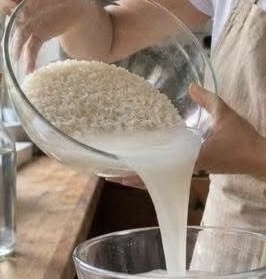
Pour the filtered water over the rice.
Allow the rice to soak for approximately 30 to 60 minutes.
Stir gently several times to help release nutrients into the water.
Strain the liquid into a clean glass jar or pitcher.
Refrigerate immediately and consume within two to three days for the best quality.
How to Make
Choose high-quality rice for the best flavor and nutritional value.
Always rinse the rice thoroughly before soaking.
Use clean drinking water to maintain freshness and safety.
After soaking, strain the rice water through a fine mesh sieve.
Store the finished rice water in a sealed glass container inside the refrigerator.
Serve chilled as a refreshing homemade drink, or use it externally for skincare or hair care according to your preference.
Variations
Brown rice water provides a slightly richer flavor and contains different naturally occurring nutrients than white rice.
Jasmine rice creates a light floral aroma that many people enjoy.
Add fresh mint leaves after straining for a cooling herbal flavor.
Mix with fresh lemon juice for a refreshing citrus beverage.
Include ginger slices during soaking for a warm and aromatic variation.
Allow the rice water to ferment for one day if you prefer a traditional fermented version, noting that the flavor will become more tangy.
Tips
Always prepare rice water using clean utensils and fresh ingredients.
Store it in the refrigerator to preserve freshness.
Discard the rice water if it develops an unpleasant smell or unusual appearance.
Avoid adding excessive sugar if your goal is healthy hydration.
Shake well before drinking because natural starch may settle at the bottom.
Use organic rice whenever possible to reduce potential pesticide residues.
Nutrition
Rice water is naturally low in fat and contains mostly water with small amounts of carbohydrates.
It provides traces of B vitamins that may leach from the rice during soaking.
Small amounts of minerals such as magnesium and potassium may also be present depending on the type of rice used.
The exact nutritional profile varies based on the rice variety, soaking time, and preparation method.
Rice water is not a significant source of protein, fiber, or essential nutrients, so it should not replace balanced meals.
Healthy Benefits
Rice water can help support hydration because it is primarily water.
It contains easily digestible carbohydrates that may provide a quick source of energy.
Some people traditionally use rice water during mild digestive discomfort, although medical evidence is limited.
Rice water has long been used in natural skincare routines to help cleanse and soothe the skin.
Many individuals apply rice water to their hair as part of a beauty routine to improve softness and shine, though scientific evidence for these cosmetic benefits remains limited.
Preparing homemade rice water is affordable, environmentally friendly, and helps reduce kitchen waste by making use of water that might otherwise be discarded.
Conclusion
Rice water is a simple, traditional recipe that is easy to prepare at home and can be enjoyed as a refreshing beverage or incorporated into natural beauty routines. While it contains small amounts of beneficial nutrients and has a long history of traditional use, it should be viewed as a complement to a balanced diet rather than a miracle health drink. Enjoy homemade rice water safely as part of a healthy lifestyle.
⚠️This recipe may not be suitable for everyone, so it is advisable to consult a doctor.