Introduction
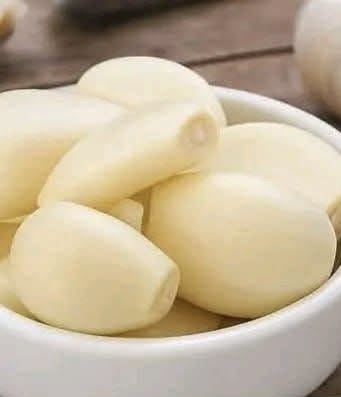
Garlic has been used in kitchens around the world for centuries because of its bold flavor and impressive nutritional profile. Rich in natural plant compounds, vitamins, and antioxidants, garlic can easily be added to everyday meals. While garlic has been widely studied for its potential health properties, claims that it “kills 14 types of bacteria and 13 types of infections” are not supported as a general medical fact. Garlic should be enjoyed as a nutritious food—not as a replacement for medical treatment.
Ingredients
8–10 fresh garlic cloves, peeled
1 tablespoon extra virgin olive oil
1 teaspoon fresh lemon juice (optional)
1 teaspoon chopped fresh parsley
A pinch of sea salt
A pinch of black pepper
1 teaspoon honey (optional)
Instructions
Peel the garlic cloves carefully.
Allow the peeled garlic to rest for about 10 minutes before using to help activate its natural compounds.
Place the garlic in a small bowl.
Add olive oil, parsley, salt, and black pepper.
Mix well until evenly coated.
Add lemon juice or honey if desired.
Serve immediately or refrigerate for later use.
How to Make
Choose fresh, firm garlic bulbs without soft spots.
Peel the cloves carefully to keep them intact.
Let the garlic sit after chopping or crushing before eating or cooking.
Combine with olive oil and fresh herbs for added flavor.
Enjoy as a spread on whole-grain toast, mix into salads, or serve alongside roasted vegetables.
Store leftovers in an airtight container in the refrigerator for up to two days.
Variations
Roasted Garlic
Bake whole garlic bulbs until soft and sweet for a mild flavor.
Garlic Herb Spread
Blend roasted garlic with fresh parsley, basil, and olive oil.
Lemon Garlic Dressing
Whisk garlic with lemon juice, olive oil, and black pepper for a fresh salad dressing.
Garlic Butter
Mix softened butter with minced garlic and herbs for bread or vegetables.
Garlic Yogurt Dip
Combine crushed garlic with plain Greek yogurt, dill, and lemon juice.
Spicy Garlic Mix
Add crushed red pepper flakes for extra heat.
Tips
Use fresh garlic instead of garlic powder for maximum flavor.
Crush or chop garlic before using to develop its characteristic aroma.
Cook garlic gently to avoid bitterness.
Store garlic in a cool, dry, well-ventilated place.
Avoid consuming excessive amounts of raw garlic, especially on an empty stomach if it causes digestive discomfort.
If you take blood-thinning medication or have upcoming surgery, speak with your healthcare provider before consuming large amounts of garlic.
Nutrition
Approximate nutrition per serving:
Calories: 15
Protein: 0.6g
Carbohydrates: 3g
Fat: 0g (without olive oil)
Fiber: 0.2g
Vitamin C: Small amount
Vitamin B6: Good source
Manganese: Good source
Selenium: Small amount
Natural antioxidants: Present
Healthy Benefits
Garlic contains natural sulfur compounds, including allicin, which have been widely studied for their biological activity.
It provides antioxidants that help protect cells from oxidative stress.
Garlic contains vitamin B6, manganese, and other nutrients that support normal body functions.
Including garlic in a balanced diet can add flavor without increasing sodium intake.
Garlic is naturally low in calories while providing beneficial plant compounds.
Research suggests garlic may support overall cardiovascular health when included as part of a healthy dietary pattern, but it should not be considered a treatment or cure for disease.
Conclusion
Fresh garlic is a flavorful, versatile ingredient that enhances countless recipes while contributing valuable nutrients and natural antioxidants. Whether eaten raw in moderation or roasted for a milder taste, garlic is a nutritious addition to a balanced diet. Enjoy it regularly as part of healthy eating, while remembering that no single food can prevent or cure infections.
⚠️This recipe may not be suitable for everyone, so it is advisable to consult a doctor.