Introduction
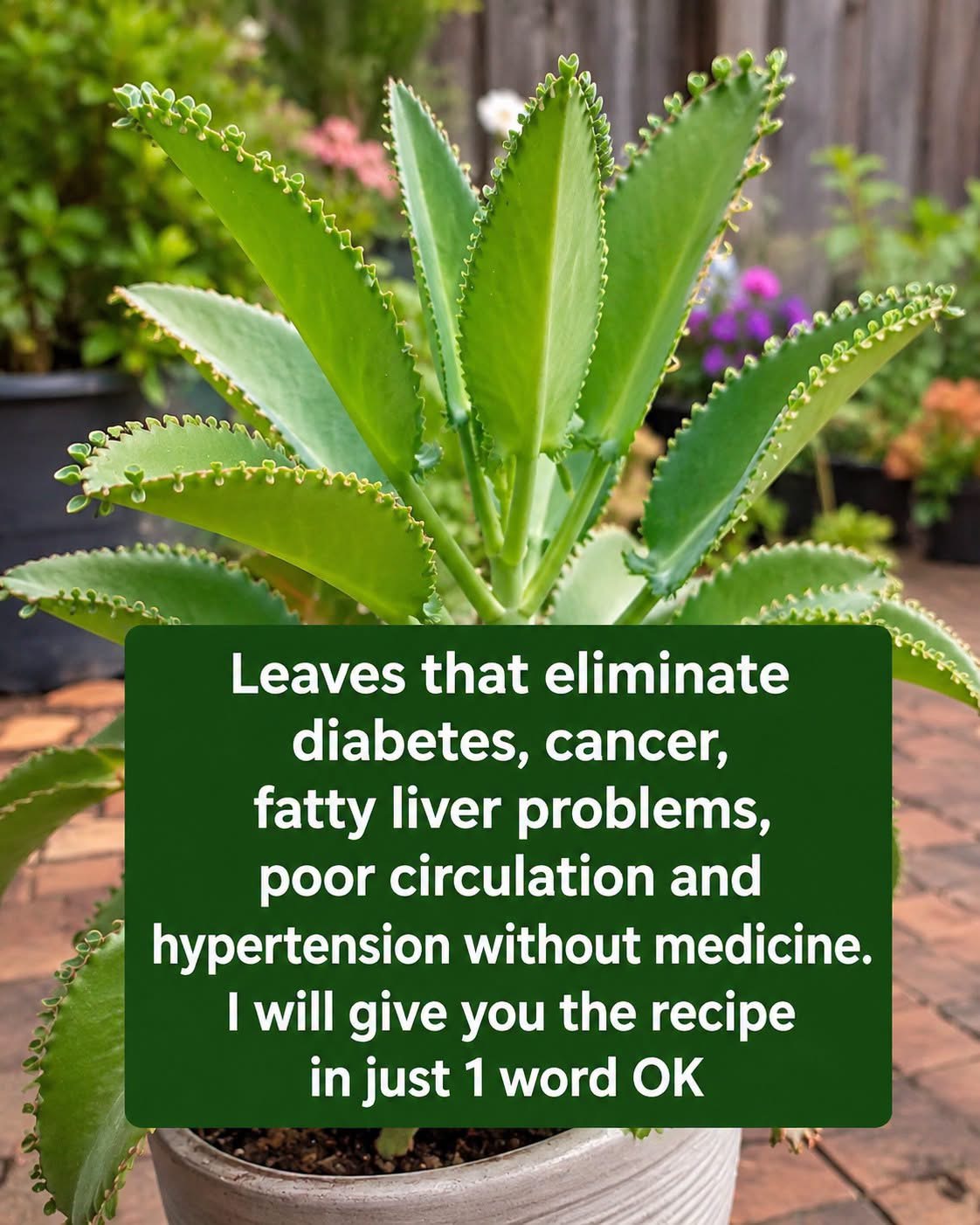
Kalanchoe plants are often featured in viral wellness posts claiming that their leaves can eliminate diabetes, cancer, fatty liver disease, poor circulation, or high blood pressure without medication.
These claims are not supported by sufficient clinical evidence. Some Kalanchoe species also contain compounds that can be harmful when consumed, so turning the leaves into a tea, juice, smoothie, or homemade remedy is not something that should be recommended as a treatment.
This article explains what is known about Kalanchoe, why the popular health claims are misleading, and how to approach herbal remedies safely.
Recipe Overview
| Category | Details |
| Topic | Kalanchoe leaves and viral health claims |
| Plant | Kalanchoe species |
| Common viral claims | Diabetes, cancer, fatty liver, circulation, hypertension |
| Evidence for curing these conditions | Insufficient clinical evidence |
| Recommended preparation | Do not prepare for self-treatment |
| Main concern | Some Kalanchoe species contain potentially toxic compounds |
| Best approach | Consult a qualified healthcare professional |
Why You’ll Want to Read This Article
Kalanchoe has attracted considerable attention online because of claims that its leaves can treat serious health conditions.
The problem is that a plant being traditionally used or containing biologically active compounds does not mean that it has been proven to cure a disease.
Diabetes, cancer, hypertension, and liver disease require appropriate diagnosis and evidence-based management. Replacing prescribed treatment with an unproven plant remedy can be dangerous.
Understanding the difference between preliminary research and proven medical treatment is especially important when evaluating natural health products and herbal remedies.
Ingredients
For a Safe Information-Based Approach
| Item | Recommendation |
| Kalanchoe leaves | Do not consume as a home treatment |
| Clean water | Use for normal hydration |
| Balanced foods | Include as part of a healthy diet |
| Medical advice | Recommended for persistent health concerns |
| Prescribed medication | Take only as directed by your healthcare professional |
There is no medically established recipe using Kalanchoe leaves that can safely be recommended to eliminate diabetes, cancer, fatty liver disease, poor circulation, or hypertension.
Step-by-Step Instructions
1. Identify the Plant
Kalanchoe includes multiple species that can look similar.
Accurate plant identification is important because different species can contain different chemical compounds.
Do not assume that a plant is safe to eat simply because it is growing in a garden or is described as medicinal online.
2. Do Not Follow Viral Preparation Instructions
Avoid recipes that instruct you to blend, boil, crush, juice, or soak Kalanchoe leaves for the purpose of treating a medical condition.
A homemade preparation does not provide a reliable dose or guarantee that potentially harmful compounds have been removed.
3. Check the Health Claim
Claims such as “eliminates cancer,” “cures diabetes,” or “cleans the liver” should be treated with considerable caution.
Serious medical claims require strong evidence from well-designed human studies.
Laboratory findings or traditional use alone are not enough to establish that a plant can cure a disease.
4. Speak With a Healthcare Professional
If you have diabetes, high blood pressure, liver disease, cancer, or circulation problems, discuss your treatment options with a qualified healthcare professional.
Do not stop or replace prescribed medication because of a social-media post or herbal recipe.
5. Use Safer Evidence-Based Choices
For general wellness, focus on established habits such as a balanced diet, regular physical activity appropriate for your situation, adequate sleep, and recommended medical checkups.
These measures can support overall health without relying on an unproven herbal cure.
Best Tips
Be particularly cautious when a natural remedy promises to cure several completely different diseases.
A single leaf or drink claiming to eliminate cancer, diabetes, hypertension, and liver disease is a major warning sign.
Natural does not automatically mean safe.
Herbal products can contain pharmacologically active substances and may interact with prescription medications.
Do not assume that a recipe is safe because many people have shared it online.
When researching herbal medicine, look for evidence from reputable medical organizations, peer-reviewed research, and qualified healthcare professionals rather than relying exclusively on social-media claims.
Best Ingredient Options
Because Kalanchoe should not be recommended as a self-treatment for serious diseases, there is no appropriate list of ingredients for a Kalanchoe medicinal drink.
For everyday wellness, choose ordinary foods that provide useful nutrients, such as vegetables, fruits, whole grains, legumes, nuts, seeds, and lean protein sources.
Water, unsweetened beverages, and a balanced diet are generally more appropriate foundations for healthy living than unproven herbal preparations.
Recipe Variations
Kalanchoe Tea
Although recipes for Kalanchoe tea are widely circulated online, this preparation should not be presented as a treatment for diabetes, cancer, hypertension, or liver disease.
Kalanchoe Juice
Blending raw leaves does not make the plant medically proven or guarantee safety.
Avoid using Kalanchoe juice as a substitute for medical treatment.
Kalanchoe Smoothie
Adding Kalanchoe leaves to a smoothie is also not a medically established wellness treatment.
If you want a nutritious smoothie, use established food ingredients such as fruit, vegetables, yogurt, oats, or seeds instead.
Herbal Wellness Drink
For a general wellness drink, choose ingredients with established culinary use rather than consuming an unfamiliar medicinal plant.
What to Serve With
If your goal is to support general health through nutrition, build meals around vegetables, fruits, whole grains, beans, lean proteins, and healthy fats.
A colorful vegetable salad, lentil soup, grilled fish, beans, or whole-grain meals can provide substantially more established nutritional value than an unproven herbal drink.
For people managing a medical condition, dietary choices should be adapted to their individual nutritional needs and healthcare advice.
Make-Ahead Instructions
There is no recommended Kalanchoe medicinal preparation to make ahead for treating disease.
Avoid preparing large quantities of homemade Kalanchoe juice, tea, or extracts for later consumption.
If you are interested in herbal medicine, discuss the specific product or plant with a qualified healthcare professional before using it.
Storage
Do not store homemade Kalanchoe preparations for medicinal use.
If you have already prepared a plant-based product and are uncertain about its safety, do not assume that refrigeration makes it safe to consume.
Reheating
Reheating a homemade Kalanchoe preparation does not establish that it is safe or medically effective.
Heat can change the chemical composition of plant materials, but it should not be relied upon as a method of removing potentially harmful compounds.
Freezing
Freezing does not make an unproven herbal preparation safe for consumption.
Avoid freezing Kalanchoe preparations with the intention of using them later as a treatment.
Common Mistakes to Avoid
Believing “Natural” Means Safe
Plants can contain powerful compounds.
Some natural substances can cause toxicity, interact with medication, or produce unwanted effects.
Replacing Medication
One of the most serious mistakes is stopping prescribed treatment in favor of a homemade remedy.
This can allow a medical condition to worsen.
Assuming Traditional Use Proves Effectiveness
Traditional use can provide interesting information for researchers, but it does not prove that a remedy cures a disease.
Clinical evidence is needed to establish effectiveness and appropriate dosing.
Trusting One Viral Post
A social-media post can repeat information without providing reliable evidence.
Check health claims against trustworthy medical and scientific sources.
Using the Wrong Plant
Kalanchoe contains numerous species, and identifying a plant from an online photograph may be unreliable.
Do not consume an unidentified plant because it resembles one shown in a recipe.
Nutrition Estimate
There is no meaningful nutrition estimate for a Kalanchoe medicinal preparation because no safe, standardized recipe for treating disease is being recommended.
| Nutritional Information | Amount |
| Calories | Not established |
| Protein | Not established |
| Carbohydrates | Not established |
| Fat | Not established |
| Fiber | Not established |
| Therapeutic dose | Not established |
| Safe medicinal serving | Not established |
Frequently Asked Questions
Can Kalanchoe cure diabetes?
There is not sufficient clinical evidence to say that Kalanchoe cures diabetes.
Diabetes should be managed with an individualized treatment plan from a qualified healthcare professional.
Can Kalanchoe eliminate cancer?
No reliable evidence supports using Kalanchoe leaves as a cure for cancer.
Cancer treatment should be guided by qualified oncology professionals and evidence-based medical care.
Can Kalanchoe treat fatty liver?
There is insufficient evidence to recommend Kalanchoe as a treatment for fatty liver disease.
The appropriate management depends on the cause and severity of the condition.
Can Kalanchoe lower blood pressure?
Kalanchoe should not be used as a replacement for prescribed blood-pressure treatment.
If you have hypertension, discuss dietary changes, lifestyle measures, and medication with your healthcare professional.
Is Kalanchoe safe to eat?
Safety depends on the particular species, amount, preparation, and individual circumstances.
Some Kalanchoe species contain compounds associated with toxicity, so consuming the leaves as a homemade remedy should not be casually recommended.
Can I make Kalanchoe tea?
Although preparation methods are circulated online, there is no standardized, clinically established Kalanchoe tea recipe that can be recommended for treating serious diseases.
Should I stop my medication if I use an herbal remedy?
No.
Do not stop, reduce, or replace prescribed medication without discussing it with your healthcare professional.
Why are these claims popular online?
Natural-remedy content often spreads quickly because it promises simple solutions to complicated health problems.
A popular claim, however, is not necessarily a scientifically supported claim.
Final Thoughts
Kalanchoe is an interesting plant, but viral claims that its leaves can eliminate diabetes, cancer, fatty liver disease, poor circulation, or hypertension without medication should not be treated as established medical facts.
The safest approach is to separate traditional or preliminary plant research from proven clinical treatment.
If you are considering an herbal remedy, discuss it with a qualified healthcare professional, particularly if you take medication or have an existing medical condition.
⚠️This recipe may not be suitable for everyone, so it is advisable to consult a doctor.