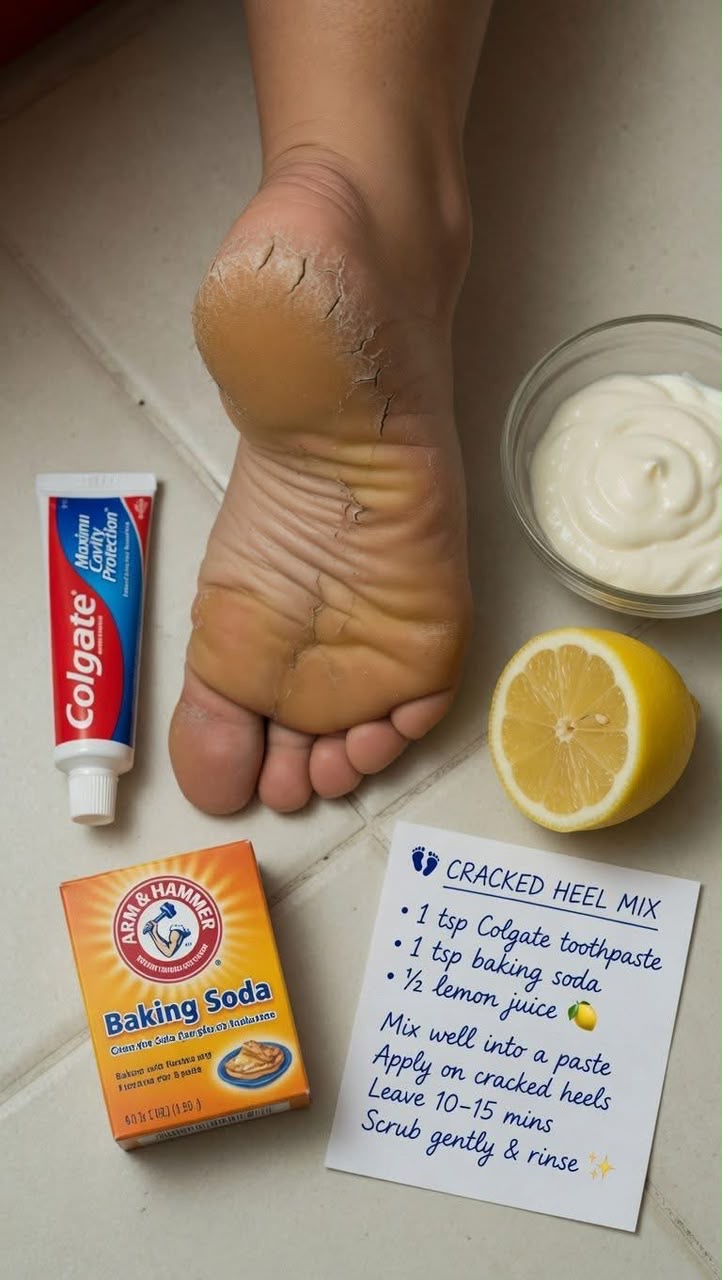
Introduction
Dry, rough, and cracked heels are a common foot care concern, especially during colder months or after long hours of standing. This homemade cracked heel foot mask combines moisturizing and exfoliating ingredients to help soften hardened skin and improve the appearance of dry heels. While it can be part of a regular self-care routine, it should not replace medical treatment for deep, painful, or infected cracks. For the best results, follow with a rich foot cream and wear cotton socks overnight.
Recipe Overview
| Recipe Details | Information |
| Prep Time | 5 minutes |
| Application Time | 10–15 minutes |
| Total Time | 20 minutes |
| Yield | 1 application |
| Difficulty | Easy |
Why You’ll Love This Recipe
This homemade foot mask uses simple household ingredients that are easy to find and affordable.
It helps loosen dry surface skin, making it easier to gently exfoliate rough heels.
The treatment takes less than 20 minutes, making it perfect for a quick self-care session.
When followed by a rich moisturizer, it can leave your feet feeling softer and smoother.
It is easy to include in your weekly foot care routine for maintaining healthy-looking heels.
Ingredients
Foot Mask
| Ingredient | Amount |
| Baking soda | 1 teaspoon |
| Plain petroleum jelly or thick fragrance-free moisturizer | 1 tablespoon |
| Honey | 1 teaspoon |
Aftercare
| Ingredient | Amount |
| Thick foot cream with urea (10–25%) | As needed |
| Cotton socks | 1 pair |
Note: Avoid using toothpaste or lemon juice on cracked heels, as they may irritate damaged skin.
Step-by-Step Instructions
Wash your feet with warm water and a mild soap.
Soak your feet in warm water for 10 minutes to soften thick skin.
Pat your feet dry with a clean towel.
Mix the baking soda, honey, and petroleum jelly until a smooth paste forms.
Apply a thin layer to the cracked heel areas.
Leave the mask on for 10–15 minutes.
Rinse with lukewarm water.
Gently buff away loose dead skin using a pumice stone or foot file without scrubbing aggressively.
Apply a generous layer of urea-based foot cream.
Wear cotton socks overnight to lock in moisture.
Best Tips
Apply the treatment after a shower when the skin is naturally softer.
Use gentle pressure while exfoliating to avoid causing new cracks.
Moisturize your feet every evening, even on days you do not use the mask.
Wear supportive shoes to reduce pressure on your heels.
Drink enough water to help maintain healthy skin hydration.
Best Ingredient Options
| Ingredient | Best Option |
| Moisturizer | Petroleum jelly or fragrance-free cream |
| Humectant | Raw honey |
| Exfoliant | Fine baking soda (used gently) |
| Foot Cream | Urea-based cream (10–25%) |
| Socks | Soft cotton socks |
Recipe Variations
Replace honey with pure aloe vera gel for a lighter moisturizing treatment.
Add a few drops of vitamin E oil to increase the moisturizing effect.
Use shea butter instead of petroleum jelly if you prefer a plant-based moisturizer.
Finish with coconut oil after moisturizing for extra softness.
What to Serve With
Pair this foot care routine with a warm foot soak using Epsom salt before applying the mask.
Complete your self-care session with a relaxing foot massage using a nourishing foot cream.
Use alongside regular pedicure maintenance to keep heels smooth throughout the year.
Make-Ahead Instructions
Prepare the mixture just before use for the best texture and freshness. If needed, it can be stored in a sealed container for up to 24 hours in the refrigerator.
Storage
Discard any leftover mixture after one day since homemade skincare products do not contain preservatives.
Reheating
No reheating is required. Allow refrigerated ingredients to return to room temperature before applying.
Freezing
Freezing is not recommended because it changes the consistency of the ingredients.
Common Mistakes to Avoid
Using lemon juice or toothpaste on cracked skin may cause irritation and discomfort.
Scrubbing too aggressively can make cracks worse and delay healing.
Skipping moisturizer after exfoliation reduces the effectiveness of the treatment.
Ignoring deep, bleeding, or infected cracks can lead to complications that require medical care.
Using the treatment every day may over-exfoliate sensitive skin; once or twice a week is usually sufficient.
Nutrition Estimate
| Nutrient | Amount |
| Calories | Not Applicable |
| Protein | Not Applicable |
| Carbohydrates | Not Applicable |
| Fat | Not Applicable |
| Fiber | Not Applicable |
| Sugar | Not Applicable |
Frequently Asked Questions
Can I use this mask every day?
No. One or two applications per week are generally enough, while moisturizing daily is recommended.
Can I replace petroleum jelly with coconut oil?
Yes. Coconut oil is moisturizing, although petroleum jelly is generally better at preventing moisture loss.
Is this safe for diabetics?
People with diabetes should consult a healthcare professional before treating cracked heels at home.
How long does it take to see results?
With consistent moisturizing and gentle exfoliation, many people notice softer heels within one to two weeks.
Should I use toothpaste or lemon juice?
No. These ingredients can irritate cracked skin and are not recommended for treating heel fissures.
Final Thoughts
This Homemade Cracked Heel Soothing Foot Mask is a simple way to care for dry, rough heels using gentle moisturizing ingredients
This home remedy may not be suitable for everyone. It is advisable to consult a doctor before using it, especially if you have diabetes, circulatory problems, or open wounds.