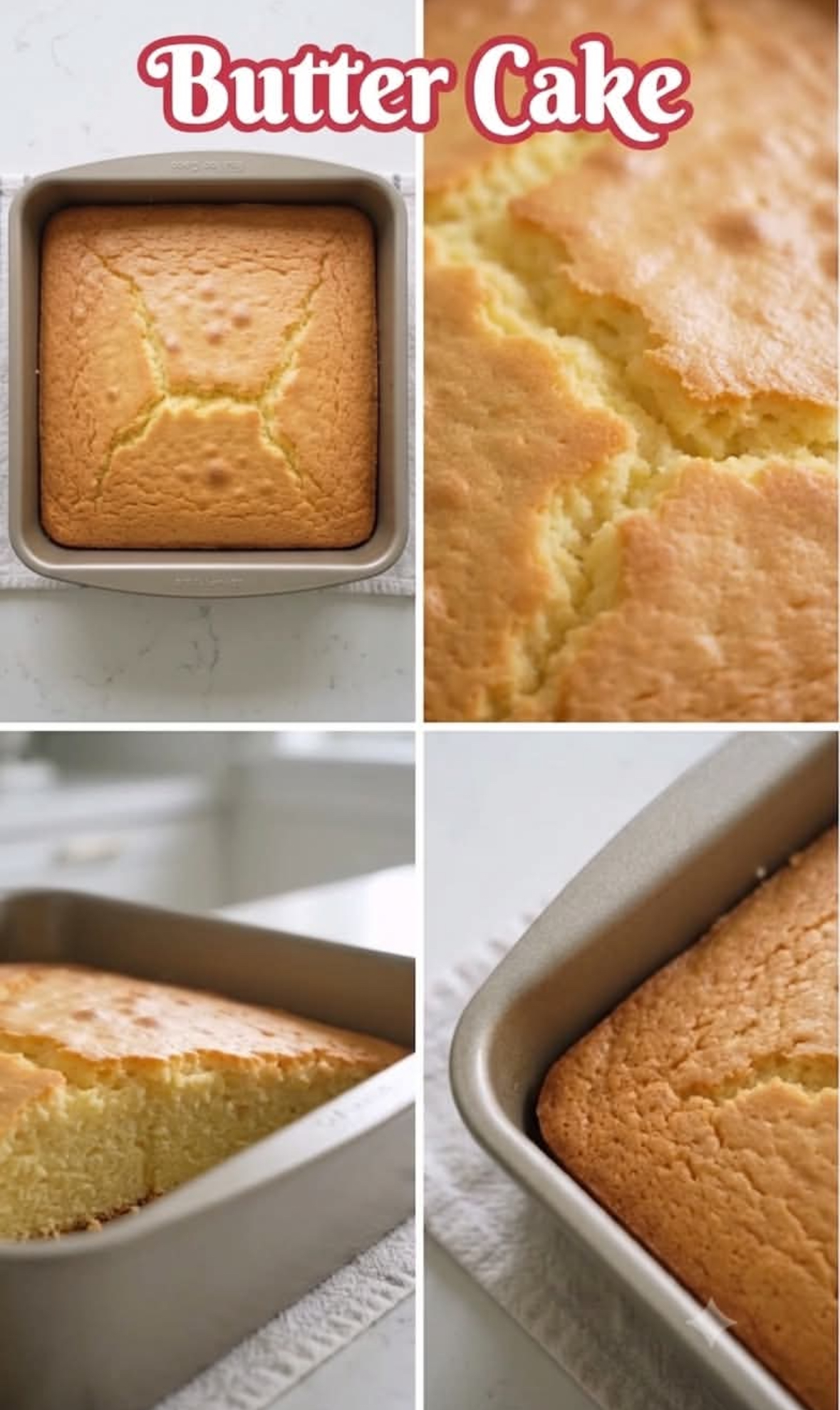
Welcome to the most requested easy dessert recipe you will ever bake. If you are looking for a moist, flavorful, and incredibly simple treat, this homemade butter cake is precisely what you need.
As beautifully showcased in image_2.png, this cake bakes up to a stunning golden brown with a perfectly crackly top and a tender, melt-in-your-mouth crumb that defines classic comfort food desserts.
Whether you are hosting a dinner party or simply craving a sweet slice with your afternoon coffee, this foolproof baking guide will help you achieve bakery-quality results right in your own kitchen.
Recipe Overview
| Feature | Details |
| Prep Time | 15 minutes |
| Cook Time | 40 minutes |
| Total Time | 55 minutes |
| Yield | 9 generous servings |
| Course | Dessert |
| Cuisine | American / Classic |
Why You’ll Love This Recipe
You will adore this homemade butter cake recipe because it relies on basic, everyday pantry staples to create an extraordinary luxury dessert experience. There is no need for complicated techniques or expensive equipment to achieve a perfectly rich and buttery flavor profile.
This classic comfort food dessert is incredibly versatile and serves as the perfect blank canvas for your favorite glazes, fresh fruits, or rich frostings. It is guaranteed to become a high-demand family favorite that you will be asked to bake for birthdays, holidays, and weekend gatherings.
Furthermore, the heavenly aroma of butter and premium vanilla extract filling your home as it bakes is simply unmatched. It provides a warm, nostalgic baking experience that is deeply satisfying for both novice bakers and seasoned culinary enthusiasts alike.
Ingredients
| Dry Ingredients | Quantity |
| All-purpose flour | 1 1/2 cups (190g) |
| Granulated white sugar | 1 cup (200g) |
| Baking powder | 1 1/2 tsp |
| Salt | 1/2 tsp |
| Wet Ingredients | Quantity |
| Unsalted butter, room temperature | 1/2 cup (1 stick / 115g) |
| Whole milk, room temperature | 1/2 cup (120ml) |
| Large eggs, room temperature | 2 |
| Pure vanilla extract | 2 tsp |
Step-by-Step Instructions
1. Prepare Your Equipment: Preheat your oven to 350°F (175°C). Grease an 8×8-inch square baking pan with non-stick baking spray or butter, and line the bottom with parchment paper for easy removal.
2. Mix the Dry Ingredients: In a medium mixing bowl, whisk together the all-purpose flour, baking powder, and salt. Set this bowl aside for later use.
3. Cream the Butter and Sugar: In a large bowl using an electric hand mixer or a stand mixer fitted with a paddle attachment, beat the room-temperature butter and granulated sugar on medium-high speed for about 3 to 4 minutes until pale, light, and fluffy.
4. Incorporate the Eggs and Vanilla: Add the eggs one at a time, mixing well on medium speed after each addition until fully incorporated. Scrape down the sides and bottom of the bowl with a silicone spatula. Mix in the pure vanilla extract.
5. Combine Wet and Dry: Reduce the mixer speed to low. Gradually add half of the flour mixture, followed by the whole milk, and then the remaining flour mixture. Mix just until the batter is smooth and no flour streaks remain. Do not overmix.
6. Bake the Cake: Pour the thick batter into your prepared baking pan, smoothing the top with your spatula. Bake in the preheated oven for 35 to 40 minutes, or until a wooden toothpick inserted into the center comes out clean or with a few moist crumbs.
7. Cool and Serve: Allow the cake to cool in the pan on a wire rack for 15 minutes before running a knife around the edges and turning it out onto the rack to cool completely.
Best Tips
The ultimate secret to a remarkably tender and moist butter cake is ensuring all of your refrigerated ingredients are brought to room temperature before you begin mixing. Cold butter will not cream properly with sugar, and cold eggs can cause your carefully emulsified batter to break and curdle.
Another essential piece of baking advice is to measure your flour correctly using a digital kitchen scale for complete accuracy. If you must use measuring cups, always use the spoon-and-level method rather than scooping directly from the bag, which packs the flour and leads to a dense, dry cake.
Finally, practice restraint during the final mixing stage. Overmixing the batter once the flour is added activates the gluten, which will transform your soft, delicate dessert into a tough and chewy disappointment.
Best Ingredient Options
Because this is a simple recipe, the quality of your ingredients is paramount. Opting for a premium European-style butter, which has a higher fat content, will result in a significantly richer and more flavorful crumb.
Similarly, using high-quality, pure vanilla extract rather than imitation vanilla flavoring will provide a beautiful, aromatic depth that perfectly complements the buttery notes of this traditional dessert.
Recipe Variations
If you want to introduce a bright, refreshing twist to this classic recipe, consider adding the fresh zest of one large lemon or orange to the sugar before creaming it with the butter. This simple step infuses the entire batter with a beautiful citrus aroma that cuts through the richness beautifully.
For a subtle nutty flavor profile, you can substitute half a teaspoon of the vanilla extract with high-quality almond extract. This creates a wonderful bakery-style taste that pairs exceptionally well with a simple dusting of powdered sugar on top.
You can also easily transform this into a magnificent spice cake by whisking ground cinnamon, nutmeg, and a pinch of cloves into your dry ingredients, making it an ideal, cozy treat for the autumn and winter holiday seasons.
What to Serve With
This homemade butter cake is absolutely spectacular when served slightly warm alongside a generous scoop of premium vanilla bean ice cream. The contrast between the warm, dense cake and the melting, cold ice cream is a luxurious dessert experience.
For a lighter pairing, serve fresh, seasonal berries such as sliced strawberries, raspberries, or blueberries on top. The natural tartness and acidity of the fresh fruit provide a wonderful balance to the sweet, buttery crumb.
It also functions perfectly as a simple afternoon snack or breakfast pastry. Pair a plain slice with a hot cup of freshly brewed dark roast coffee or a steaming mug of Earl Grey tea for a deeply comforting mid-day break.
Make-Ahead Instructions
You can easily bake this cake a day in advance of your event or gathering. Allow the cake to cool completely on a wire cooling rack, then wrap it very tightly in plastic wrap to lock in the moisture and prevent it from drying out on the counter.
Storage
Store any leftover cooled cake in an airtight container at room temperature for up to three days. Keeping it in the refrigerator is not recommended, as the cold temperature will alter the texture of the butter and cause the cake to dry out and become crumbly much faster.
Reheating
To restore that freshly baked warmth and soften the buttery crumb, place a single slice of cake on a microwave-safe plate and heat it on medium power for roughly 10 to 15 seconds. Do not overheat, or it will become tough and rubbery.
Freezing
This dessert freezes exceptionally well, making it perfect for long-term meal prep. Wrap the completely cooled, unfrosted cake tightly in a double layer of plastic wrap, followed by a layer of heavy-duty aluminum foil, and store it in the freezer for up to three months. Thaw overnight at room temperature before serving.
Common Mistakes to Avoid
A very frequent error novice bakers make is constantly opening the oven door to check on the dessert’s progress. This sudden release of hot air causes the oven temperature to drop dramatically, which can lead to your cake sinking in the middle and baking unevenly.
Another common pitfall is attempting to remove the cake from the baking pan while it is still piping hot. The structure of the cake is highly delicate when it first leaves the oven, and flipping it too soon will almost certainly cause it to break apart into pieces.
Nutrition Estimate
| Nutrient | Amount per Serving (approximate) |
| Calories | 280 kcal |
| Total Fat | 12g |
| Saturated Fat | 7g |
| Cholesterol | 65mg |
| Sodium | 190mg |
| Total Carbohydrates | 39g |
| Dietary Fiber | 1g |
| Sugars | 23g |
| Protein | 4g |
Frequently Asked Questions
Can I use salted butter instead of unsalted? Yes, you can substitute salted butter if that is what you have on hand. If you do, make sure to reduce the added salt in the dry ingredients to just a pinch to avoid an overly salty cake.
Why did my cake dome in the middle and crack? While a slight crack is normal and rustic, a massive dome usually means your oven temperature is too high. This causes the outside edges to set quickly while the center continues to rise and eventually burst through the crust.
Can I bake this in a round cake pan? Yes, this batter fits perfectly into a standard 8-inch round cake pan. The baking time and temperature will remain exactly the same, making it easy to adapt for layer cakes.
Final Thoughts
Mastering this classic homemade butter cake recipe is incredibly rewarding and guarantees you will always have a reliable, delicious dessert ready for any occasion. By following these simple steps and utilizing premium ingredients, you can confidently create a nostalgic, comforting treat that friends and family will request time and time again.