Introduction
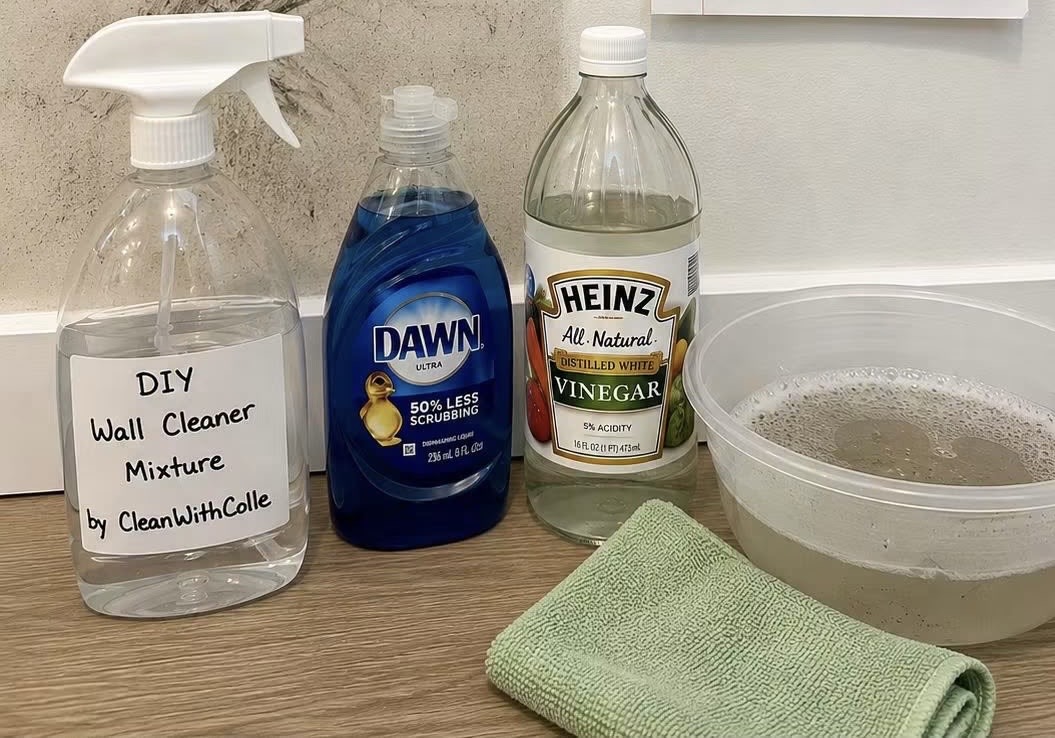
Keeping painted walls clean can instantly brighten your home, but many commercial cleaning products contain harsh chemicals and strong fragrances. This DIY Wall Cleaner Mixture is an affordable, easy-to-make solution that helps remove fingerprints, light grease, dust, and everyday marks from most washable painted walls. Made with warm water, a small amount of dish soap, and white vinegar, it is quick to prepare using common household ingredients.
This homemade wall cleaner is ideal for routine maintenance and can help extend the life and appearance of your interior walls. Before cleaning an entire surface, always test the solution on a small, hidden area to ensure it is compatible with your wall finish.
Recipe Overview
| Recipe Details | Information |
| Recipe Name | DIY Wall Cleaner Mixture |
| Category | Homemade Cleaning Solution |
| Difficulty | Very Easy |
| Preparation Time | 5 minutes |
| Application Time | 10–20 minutes |
| Total Time | 15–25 minutes |
| Yield | About 2 cups (475 ml) |
| Best For | Washable painted walls, fingerprints, dust, light stains |
| Storage Time | Up to 2 weeks |
Why You’ll Love This Recipe
This homemade wall cleaner uses simple ingredients that are inexpensive and commonly found in most kitchens, making it a budget-friendly alternative to many commercial cleaning products.
The mild formula helps lift everyday dirt, fingerprints, and light grease without requiring complicated preparation or specialized equipment, making routine wall maintenance much easier.
Because the solution is quick to mix and apply, it is perfect for regular household cleaning and helps keep walls looking fresh with minimal effort.
Ingredients
| Ingredient | Amount | Purpose |
| Warm water | 2 cups (475 ml) | Dilutes the solution and loosens dirt |
| Dish soap | 1 teaspoon | Breaks down grease and grime |
| Distilled white vinegar | 1 tablespoon | Helps dissolve light residue and soap scum |
Supplies
| Item | Purpose |
| Spray bottle | Mixing and application |
| Microfiber cloth | Gentle cleaning |
| Clean damp cloth | Rinsing |
| Dry microfiber towel | Drying the wall |
Step-by-Step Instructions
Step 1
Pour 2 cups of warm water into a clean spray bottle.
Step 2
Add 1 teaspoon of dish soap.
Step 3
Add 1 tablespoon of distilled white vinegar.
Step 4
Close the bottle tightly and gently shake for 10–15 seconds until combined.
Step 5
Spray the solution onto a microfiber cloth instead of directly onto the wall to avoid excessive moisture.
Step 6
Wipe the wall gently using circular motions.
Step 7
Use a clean damp cloth to remove any remaining cleaner.
Step 8
Dry the wall with a clean microfiber towel.
Allow the wall to air dry completely before placing furniture or decorations back against it.
Best Tips
Always perform a spot test on an inconspicuous area before cleaning an entire wall, especially if the paint has a matte or flat finish.
Use only a lightly damp microfiber cloth rather than soaking the surface, since excessive moisture can damage paint or drywall.
Work from the bottom of the wall upward to reduce the chance of visible drip marks.
Replace dirty cleaning cloths as needed so that grime is not spread back onto the wall during cleaning.
Best Ingredient Options
| Original Ingredient | Alternative |
| Dish soap | Mild liquid castile soap |
| White vinegar | Cleaning vinegar (where appropriate) |
| Warm water | Lukewarm filtered water |
| Microfiber cloth | Soft lint-free cotton cloth |
Recipe Variations
For walls with light grease in kitchens, slightly warm water may improve cleaning performance while still using the same ingredient proportions.
If you prefer a vinegar-free option due to the smell or paint sensitivity, you can simply use warm water with a small amount of mild dish soap for regular maintenance.
For glossy or semi-gloss painted walls, wipe gently with a damp microfiber cloth after cleaning to leave a streak-free finish.
What to Serve With
This wall cleaner works well alongside a complete household cleaning routine. Use it together with dusting baseboards, wiping light switches, cleaning door frames, polishing mirrors, and vacuuming floors for a fresh-looking home.
After cleaning the walls, finish by washing windows and disinfecting frequently touched surfaces to create a cleaner overall living space.
Make-Ahead Instructions
Prepare the cleaning solution in advance and store it in a labeled spray bottle.
Shake gently before each use because the ingredients may separate during storage.
Storage
Store the bottle in a cool, dry place away from direct sunlight.
Use within 2 weeks for the best cleaning performance.
Keep out of reach of children and pets.
Reheating
No reheating is required.
If the solution becomes cold, allow it to return to room temperature before use.
Freezing
Freezing is not recommended because it may affect the consistency of the cleaning solution and reduce its effectiveness.
Common Mistakes to Avoid
Applying the cleaner directly onto the wall can oversaturate painted surfaces and increase the risk of water damage, so spraying the cloth first is generally the safer approach.
Using abrasive scrubbers or stiff brushes may scratch delicate paint finishes and leave permanent marks.
Skipping the spot test can result in unexpected discoloration or damage on certain paint types, particularly matte finishes.
Adding too much dish soap may leave a sticky residue that attracts more dust over time, making the walls appear dirty again more quickly.
Nutrition Estimate
| Nutrient | Amount |
| Calories | 0 |
| Fat | 0 g |
| Protein | 0 g |
| Carbohydrates | 0 g |
| Sugar | 0 g |
| Sodium | Negligible |
Nutrition information is not applicable because this is a household cleaning solution and is not intended for consumption.
Frequently Asked Questions
Can I use this cleaner on all painted walls?
It is best suited for washable painted walls. Always perform a spot test before cleaning the entire surface.
Can I spray the solution directly onto the wall?
It is generally better to spray the solution onto a microfiber cloth first to reduce excess moisture on painted surfaces.
Does vinegar leave an odor?
A mild vinegar smell may be noticeable during cleaning, but it usually dissipates as the wall dries.
How often should I clean my walls?
For most homes, cleaning every few months or as needed for fingerprints and light stains helps maintain a fresh appearance.
Can I use this on wallpaper?
No. Wallpaper can react differently to moisture and cleaning products. Follow the wallpaper manufacturer’s cleaning recommendations.
Final Thoughts
This DIY Wall Cleaner Mixture offers a simple and economical way to maintain clean, attractive walls using everyday household ingredients. Its mild formula is suitable for regular maintenance on many washable painted surfaces while avoiding the cost of specialized cleaners. By using proper cleaning techniques and testing first, you can safely remove everyday dirt and keep your home looking its best.