Introduction
Square-counting puzzles are popular brain teasers designed to test observation skills, visual intelligence, and attention to detail. These logic puzzles often go viral on social media because different people notice different shapes and hidden patterns inside the image.
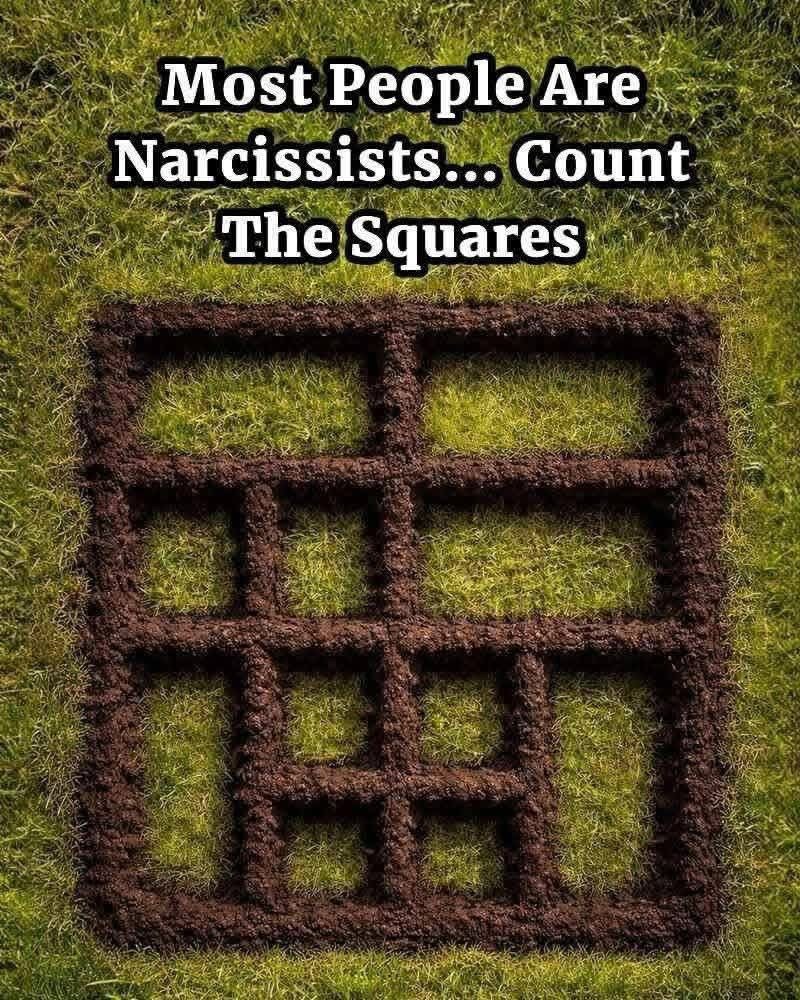
The puzzle shown in image_2.png challenges viewers to count all visible squares, including both small and larger combined shapes.
Counting the Squares
Small Individual Squares
At the bottom section of the grid, there are 6 small individual squares clearly visible.
Medium Square
In the middle section of the structure, there appears to be 1 medium-sized square formed by the surrounding lines and borders.
Large Outer Square
The entire outside border can also be interpreted as 1 large square depending on how the viewer analyzes the image structure.
Total Estimated Squares
Most viewers count between 7 and 10 squares, depending on how they interpret overlapping lines, borders, and imperfect shapes in the textured pattern.
Why People Get Different Answers
Visual Interpretation
Some people count only perfect geometric squares, while others include partial or combined shapes.
Optical Illusion Effect
The uneven texture and organic design can make certain borders appear incomplete or hidden.
Perspective Differences
Human brains process visual information differently, which explains why puzzle answers often vary.
Understanding the “Narcissist” Claim
Many viral puzzle posts use exaggerated statements such as:
“Most people are narcissists if they answer incorrectly.”
This is usually a form of social media engagement bait designed to encourage comments and reactions.
The Truth About Narcissism
Narcissism is a real psychological condition involving long-term personality traits such as:
Grandiosity
Constant need for admiration
Low empathy toward others
These traits cannot be measured by solving a visual puzzle or brain teaser.
What This Puzzle Actually Tests
Spatial Reasoning
Your brain’s ability to identify shapes and patterns.
Attention to Detail
How carefully you observe lines, corners, and hidden structures.
Problem-Solving Skills
Your ability to analyze visual information logically.
Tips for Solving Square Puzzles
Start by counting the smallest squares first.
Move gradually toward larger combined shapes.
Check overlapping sections carefully.
Rotate the image mentally to spot hidden patterns.
Avoid rushing because quick guesses often miss larger shapes.
Healthy Benefits of Brain Puzzles
Logic puzzles may help improve focus and concentration.
Visual games can support memory and cognitive flexibility.
Brain teasers encourage patience and analytical thinking.
Puzzle-solving activities are a fun way to challenge the mind.
Conclusion
Square-counting puzzles are entertaining visual challenges that test observation and logical thinking rather than personality traits. Whether you counted 7, 8, 9, or 10 squares, the puzzle highlights how differently people interpret visual information. Most importantly, these brain teasers are meant for fun, curiosity, and mental exercise.