🌿 Additional Evidence-Based Insights
🧪 Antioxidant Power
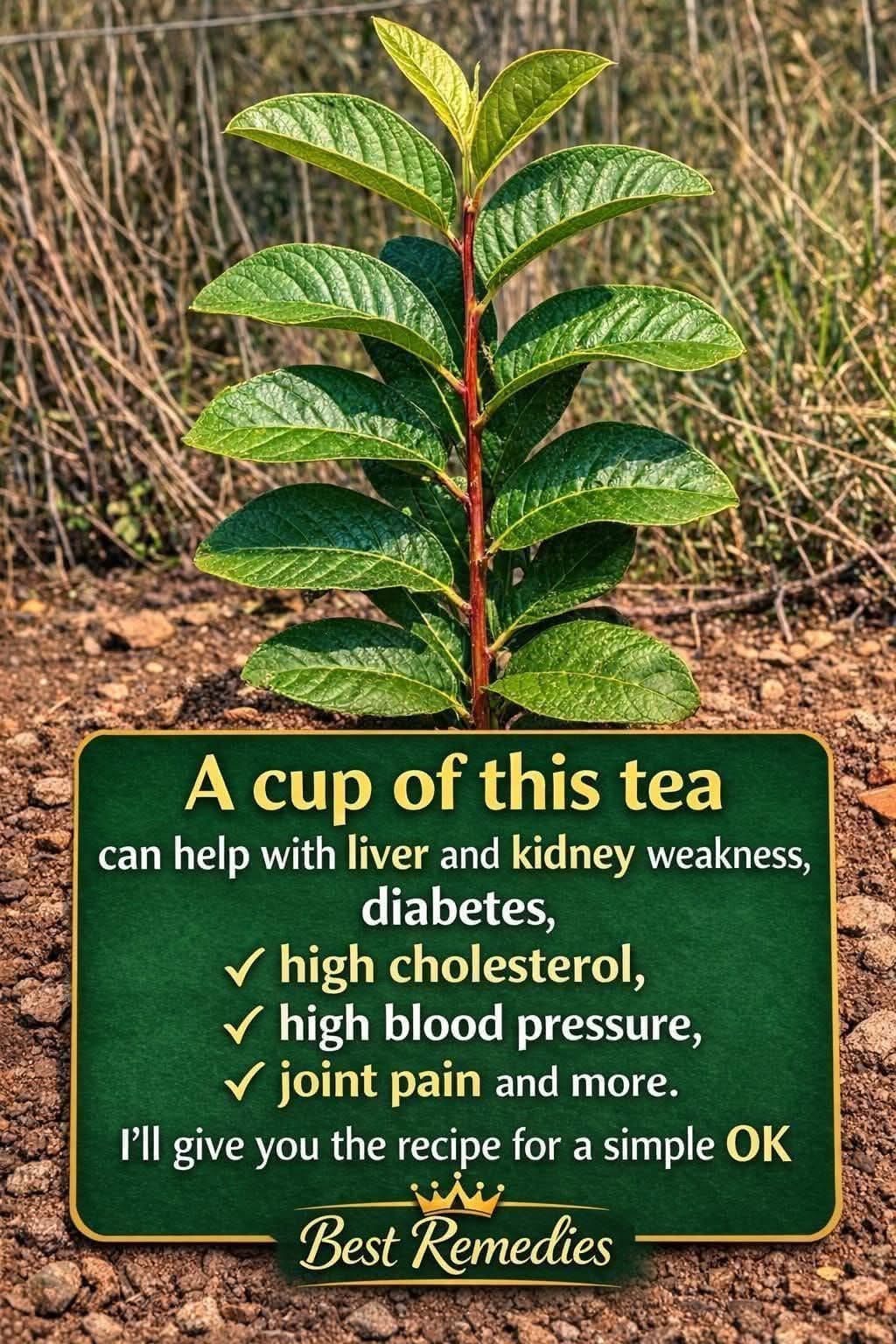
Guava leaves (from the Psidium guajava) are particularly rich in quercetin, a flavonoid known for:
Reducing oxidative stress
Supporting immune response
Potential antiviral effects
This helps explain many of the traditional uses.
⚖️ Weight Management (Emerging Evidence)
Some early research suggests guava leaf extract may:
Reduce starch absorption
Help limit weight gain when combined with a balanced diet
⚠️ However, this is not strong enough evidence to consider it a weight-loss solution on its own.
🦷 Oral Health
In traditional medicine, guava leaves are also used for:
Gum inflammation
Mouth ulcers
Their antimicrobial properties may help reduce harmful bacteria in the mouth.
⚠️ Safety & Precautions (Important Addition)
Even natural remedies can have side effects:
Blood sugar lowering effect → may interact with diabetes medications
Pregnancy & breastfeeding → not enough safety data
High doses → may cause stomach irritation or constipation
👉 Best practice: drink 1–2 cups per day, not excessively.
🍵 Tips to Maximize Benefits
Use young, tender leaves → higher antioxidant content
Avoid over-boiling (more than 10 minutes) → can make it bitter
Pair with:
Ginger → better digestion
Lemon → boosts vitamin C absorption
🔬 Bottom Line
Guava leaf tea is a supportive herbal drink, not a cure. It may help with:
Mild blood sugar control
Digestive issues
General inflammation
But it should always complement—not replace—medical care.
If you want, I can:
Create a powerful herbal tea blend (for diabetes, digestion, or immunity)
Or compare guava leaf tea with other teas like ginger, hibiscus, or green tea
This recipe may not be suitable for everyone, so it is advisable to consult a doctor.