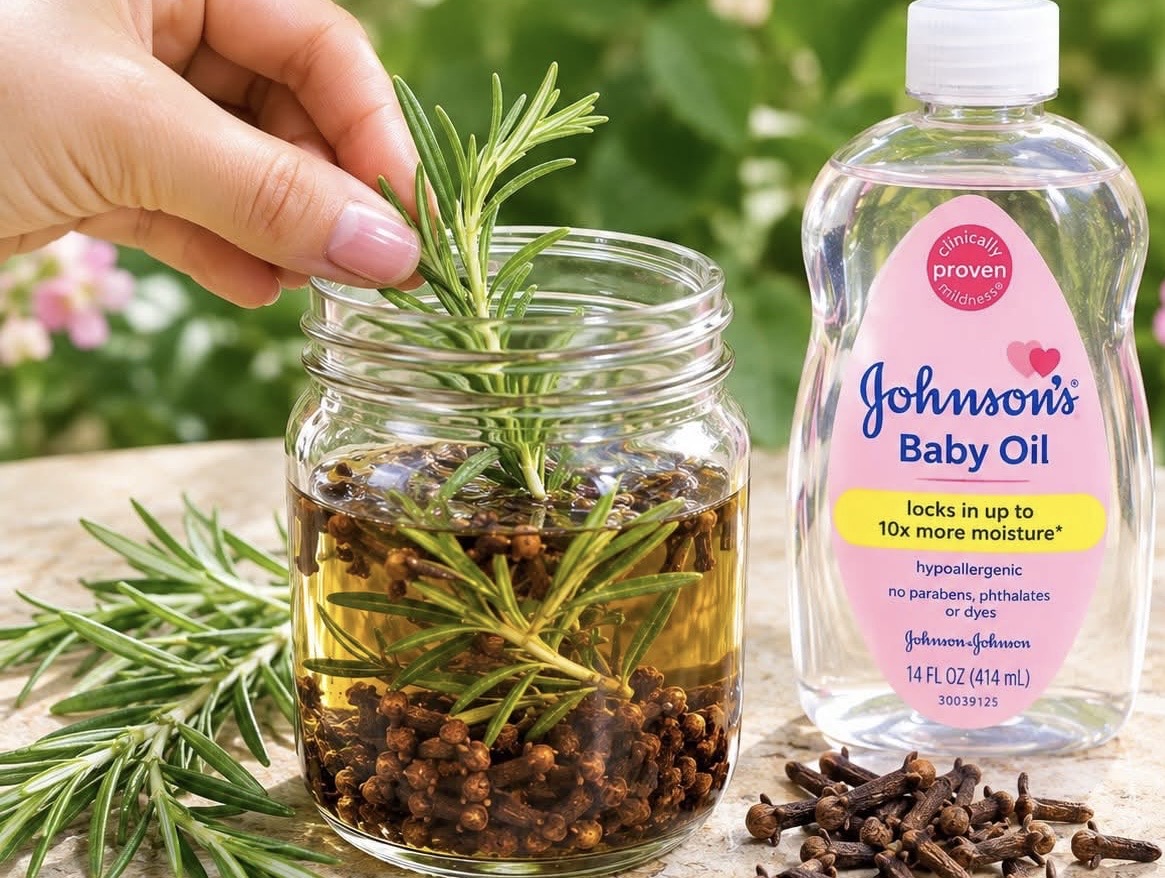
Looking for a simple way to add extra moisture to your skincare routine? This DIY botanical oil combines aromatic rosemary and whole cloves with a moisturizing carrier oil to create a homemade skincare-inspired infusion.
Botanical ingredients such as rosemary and cloves are popular in traditional beauty routines. However, natural ingredients are not automatically gentle, and their effects on dark spots, uneven skin tone, and skin aging are not well established.
This guide explains how to approach a homemade botanical oil more safely, including ingredient selection, preparation, storage, and application precautions.
Recipe Overview
| Detail | Information |
| Preparation Time | 10 minutes |
| Infusion Time | Not recommended for fresh botanicals |
| Total Preparation Time | 10 minutes |
| Yield | Approximately 14 fl oz |
| Category | DIY Skincare |
| Application | External use only |
| Difficulty | Easy |
Ingredients
| Ingredient | Quantity | Notes |
| Fragrance-free jojoba oil | 14 fl oz (415 ml) | Lightweight moisturizing carrier oil |
| Whole cloves | Optional | Not recommended for facial use because of irritation risks |
| Rosemary | Optional | Avoid fresh rosemary in homemade oil infusions |
Important: For a safer everyday moisturizing oil, use plain fragrance-free jojoba oil without adding cloves or fresh rosemary. Fresh plant material can introduce moisture and increase contamination risks.
Step-by-Step Preparation
Step 1 – Prepare the Bottle
Choose a clean, completely dry glass bottle with a tight-fitting lid. Make sure there is no water or residue inside the container.
Step 2 – Add the Carrier Oil
Pour the fragrance-free jojoba oil into the prepared bottle using a clean funnel.
Step 3 – Seal the Bottle
Close the bottle tightly to prevent contamination and unnecessary exposure to air.
Step 4 – Store Properly
Keep the oil in a cool, dry place away from direct sunlight and excessive heat. Follow the manufacturer’s recommended storage period.
Step 5 – Prepare for Application
Dispense a few drops into clean hands and gently spread the oil over slightly damp body skin.
Why You’ll Love This Simple Skincare Oil
A simple moisturizing oil can help soften dry skin and reduce moisture loss by creating a protective layer on the skin’s surface. Jojoba oil has a lightweight texture and is commonly used in cosmetic formulations.
Its simple ingredient list also makes it easier to identify potential sources of irritation if your skin reacts.
Best Tips for Skincare Oil
Always begin with a small amount rather than applying a generous layer. Avoid combining multiple new skincare ingredients at once, especially if your skin is sensitive. Choose fragrance-free products and discontinue use if you experience redness, itching, swelling, or burning.
Best Ingredient Options
Jojoba oil is a popular carrier oil because of its lightweight texture. Squalane is another cosmetic ingredient often used in moisturizing products. Fragrance-free mineral oil is also an effective option for reducing moisture loss from dry skin.
Clove essential oil and concentrated clove preparations should not be added casually to homemade facial oils because they can cause irritation and allergic contact dermatitis.
Skincare Routine Variations
For dry body skin, apply a small amount of jojoba oil after showering while the skin is slightly damp. For particularly dry areas, a fragrance-free moisturizer containing ceramides can be applied before the oil.
If your goal is to improve the appearance of dark spots, consider professionally formulated skincare products containing ingredients such as niacinamide or azelaic acid, depending on your skin type and dermatologist’s advice.
What to Use With Your Moisturizing Oil
A gentle fragrance-free cleanser and a suitable moisturizer can complement a simple skincare routine. During the daytime, broad-spectrum SPF 30 or higher sunscreen is particularly important because sun exposure can worsen hyperpigmentation and make dark spots more noticeable.
Make-Ahead Instructions
You can prepare the bottle in advance by cleaning and thoroughly drying the container. Add the carrier oil when the bottle is ready for use. Avoid storing homemade mixtures containing fresh herbs or other water-containing plant materials.
Storage Instructions
Store the oil in its original or a clean, tightly sealed container, away from direct sunlight and excessive heat.
Follow the manufacturer’s expiration date and discard the product if its smell, appearance, or texture changes.
Application Instructions
Start with a small amount on a limited area of body skin. If there is no irritation, apply a few drops to dry areas after cleansing.
Avoid applying homemade clove preparations around the eyes, lips, broken skin, or irritated areas. Do not use them as a treatment for melasma, acne scars, or other pigmentation conditions.
Common Mistakes to Avoid
Using fresh rosemary in an oil infusion can introduce moisture and create contamination risks. Applying concentrated clove ingredients directly to the skin may cause irritation or sensitization. Another common mistake is assuming that natural botanical ingredients are automatically safe for facial application.
It is also important not to rely on homemade oils as treatments for dark spots or other dermatological conditions.
Frequently Asked Questions
Can rosemary and cloves remove dark spots?
There is insufficient reliable clinical evidence that a homemade rosemary and clove oil can remove dark spots. Persistent pigmentation may require dermatologist-recommended treatments and consistent sun protection.
Can I apply clove oil directly to my face?
No. Concentrated clove oil can cause significant irritation and allergic reactions. It is best to avoid using it in homemade facial preparations.
Can I use baby oil instead of jojoba oil?
Baby oil containing mineral oil can help moisturize dry skin by reducing water loss. However, choose a fragrance-free formulation if you have sensitive skin.
How often can I use jojoba oil?
You can begin with a small amount once daily on dry body skin and adjust according to your skin’s tolerance.
Is rosemary oil suitable for sensitive skin?
Rosemary essential oil can cause irritation or allergic reactions in some people. If you have sensitive skin, fragrance-free skincare products are generally a better choice.
Can this oil replace sunscreen?
No. Oils do not provide reliable sun protection unless specifically formulated and tested as sunscreen products. Use a broad-spectrum SPF 30 or higher sunscreen during the day.
Can I use this oil around my eyes?
Avoid applying homemade botanical preparations around the eyes. The skin in this area is particularly delicate and more susceptible to irritation.
Medical & Dermatological Disclaimer
This article is intended for general educational and cosmetic purposes only and should not be considered medical or dermatological advice. Cloves contain eugenol, a compound that can cause skin irritation and allergic sensitization. Homemade botanical infusions may also have contamination risks, particularly when fresh plant materials are used.
Always perform a patch test with a suitable cosmetic product and discontinue use if irritation develops. Consult a qualified dermatologist before introducing new skincare ingredients, especially if you have sensitive skin, eczema, acne, or persistent pigmentation concerns.
Final Thoughts
A simple moisturizing oil can be a useful addition to a basic skincare routine, especially when dealing with dry or rough skin. Jojoba oil offers a straightforward option without the unnecessary risks associated with concentrated botanical ingredients.
Remember that healthy-looking skin comes from consistent skincare, gentle cleansing, proper hydration, and daily sun protection rather than relying on homemade remedies promising overnight results.
⚠️This recipe may not be suitable for everyone, so it is advisable to consult a doctor.