Introduction
Taking care of your skin doesn’t always require expensive beauty products or complicated skincare routines. Sometimes, simple ingredients found at home can be used to create an affordable body-care treatment.
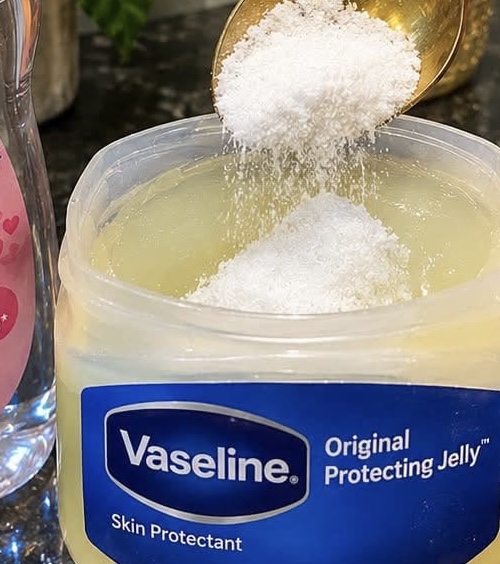
This viral DIY beauty recipe combines petroleum jelly (Vaseline), baking soda, and baby oil to create a rich body-care mixture designed for rough, dry areas of the skin.
Petroleum jelly is widely used as a skin protectant because it helps reduce moisture loss, while baby oil provides an additional moisturizing layer. Baking soda is sometimes used in homemade exfoliating recipes, although its alkaline pH can irritate the skin and disrupt its natural protective barrier.
This mixture should therefore be treated as a beauty experiment rather than a proven anti-aging treatment. It cannot reverse wrinkles, erase years from your appearance, or make someone look 36 at the age of 90.
If you’re looking for an inexpensive body-care routine to help improve the appearance of dry skin, here’s what you should know before trying this preparation.
Recipe Overview
| Category | Details |
| Recipe Name | DIY Vaseline Body Scrub |
| Preparation Time | 2–3 minutes |
| Application Time | 2–5 minutes |
| Total Time | Approximately 7 minutes |
| Main Ingredients | Vaseline, baking soda, baby oil |
| Application | Body care |
| Best For | Understanding and caring for dry, rough skin |
| Difficulty | Very easy |
| Cost | Budget-friendly |
| Storage | Best prepared fresh for single use |
Why You’ll Love This Recipe
This homemade body-care mixture uses three inexpensive ingredients that are easy to find in supermarkets and pharmacies. Petroleum jelly is especially useful for dry skin because it creates a protective layer that helps retain moisture.
Baby oil can make the mixture easier to spread and leaves the skin feeling smooth and soft. However, it is important to remember that neither ingredient can reverse natural skin aging.
The recipe is also easy to prepare in a small quantity, allowing you to experiment with your body-care routine without purchasing several expensive skincare products.
Ingredients
Main Ingredients
| Ingredient | Quantity | Purpose |
| Original petroleum jelly (Vaseline) | 1 tablespoon | Helps protect the skin and reduce moisture loss |
| Baking soda | A small pinch (optional) | Traditionally used as a physical exfoliating ingredient, but may irritate skin |
| Baby oil | ½ teaspoon | Helps soften the skin and improve spreadability |
Important: Baking soda is not recommended as a routine skin exfoliant because its high pH may disrupt the skin barrier. For a gentler version, leave it out entirely.
Optional Ingredient Alternatives
| Ingredient | Alternative |
| Baby oil | Mineral oil formulated for skin |
| Petroleum jelly | Fragrance-free petrolatum ointment |
| Baking soda | Omit it or use a properly formulated gentle body exfoliant instead |
Step-by-Step Instructions
Step 1: Prepare Your Ingredients
Gather your petroleum jelly, baby oil, and a clean mixing bowl.
Make sure your hands and utensils are clean before preparing the mixture.
Step 2: Add the Petroleum Jelly
Place one tablespoon of original petroleum jelly into a small, clean bowl.
Petroleum jelly is a popular skincare ingredient because it forms an occlusive protective layer that helps prevent water loss from the skin.
Step 3: Add the Baby Oil
Add approximately half a teaspoon of baby oil.
Mix slowly until the ingredients form a smooth, spreadable consistency.
If the mixture feels too thick, you can add a few additional drops of baby oil.
Step 4: Consider the Exfoliating Ingredient
The viral version of this recipe includes baking soda.
However, baking soda is alkaline and can cause dryness, redness, or irritation, particularly on sensitive skin. It is safer to leave it out rather than use it as a homemade facial or body scrub.
If you want exfoliation, choose a commercially formulated gentle body exfoliant instead.
Step 5: Mix Until Smooth
Stir the petroleum jelly and baby oil together until completely combined.
Prepare only enough for one application rather than mixing a large quantity for long-term storage.
Step 6: Apply to the Skin
Apply a very thin layer to a small area of clean, dry skin.
Avoid the face, eyes, mucous membranes, intimate areas, broken skin, and irritated areas.
Do not scrub aggressively. If you experience burning, itching, redness, or discomfort, remove the product and discontinue use.
Best Tips
Start with a small amount of petroleum jelly because a thick layer can feel greasy and difficult to remove. A thin application is generally sufficient for protecting dry areas such as elbows, knees, and heels.
Choose fragrance-free skincare products whenever possible, especially if your skin is sensitive. Fragrances and unnecessary additives may increase the risk of irritation in some individuals.
Always perform a patch test on a small area of skin before trying a new skincare mixture. Wait 24 hours and check for redness, itching, or other reactions.
For better everyday skin hydration, apply a fragrance-free moisturizer after bathing while your skin is still slightly damp.
Best Ingredient Options
Petroleum Jelly: Original petroleum jelly is a simple and affordable skin-protecting ingredient. It helps lock in moisture and can be particularly useful for very dry areas.
Baby Oil: Choose a skin-formulated mineral oil product. If you have sensitive skin, fragrance-free options may be preferable.
Baking Soda: Although commonly found in DIY beauty recipes, baking soda is not an ideal skincare exfoliant. Its alkaline properties may interfere with the skin’s natural acidic environment.
Gentle Moisturizer: A fragrance-free moisturizer containing glycerin or ceramides is a better everyday option for supporting the skin barrier.
Recipe Variations
Simple Vaseline Moisturizing Balm
Combine one tablespoon of petroleum jelly with a few drops of baby oil. Mix until smooth and apply a thin layer to dry elbows, knees, or heels.
Overnight Foot Moisturizing Treatment
Apply a thin layer of petroleum jelly to clean, dry heels before bedtime. Put on clean cotton socks to help protect your bedding and keep the product in place.
Extra-Hydrating Body Care
Apply a fragrance-free body lotion after showering, then use a small amount of petroleum jelly over particularly dry areas to help seal in moisture.
What to Use With This Skincare Treatment
This moisturizing routine works best as part of a simple, consistent skincare routine.
Use a gentle body cleanser, a fragrance-free moisturizer, and sunscreen on exposed skin during the day.
For people concerned about premature skin aging, daily broad-spectrum SPF 30 or higher sunscreen is one of the most important evidence-based skincare habits.
A balanced diet, adequate sleep, and gentle skincare can also contribute to healthier-looking skin.
Make-Ahead Instructions
It is best to prepare this mixture immediately before application.
Use a clean bowl and clean utensils, and avoid dipping wet fingers into skincare containers.
If you prefer preparing skincare products in advance, choose commercially manufactured products with appropriate preservation and packaging rather than storing homemade mixtures without a tested preservation system.
Storage
For the homemade petroleum jelly and baby oil mixture, prepare a fresh single-use quantity whenever needed.
Keep the original products tightly closed and store them according to their manufacturers’ instructions.
Do not add water, fresh fruit, plant extracts, or other perishable ingredients to the mixture.
Discard any homemade preparation that becomes contaminated or changes in appearance, smell, or consistency.
Reheating
This skincare preparation does not require reheating.
If the petroleum jelly feels too firm, allow the container to reach normal room temperature before use.
Never microwave a skincare mixture or apply hot products directly to your skin.
Freezing
Freezing is unnecessary and not recommended.
Petroleum jelly and baby oil are designed to be stored at normal room temperature according to their packaging instructions.
Common Mistakes to Avoid
Applying baking soda directly to sensitive skin can cause irritation and dryness. Its alkaline pH makes it a poor choice for regular exfoliation, particularly on the face.
Using too much petroleum jelly can leave a heavy, greasy layer that may feel uncomfortable. Start with a small amount and increase only if necessary.
Another common mistake is scrubbing aggressively in the hope of removing wrinkles or dark spots. Excessive friction can damage the skin barrier and cause irritation.
Avoid using this preparation on cuts, sunburn, eczema flare-ups, or inflamed skin. Do not apply it around the eyes or other delicate areas.
Finally, do not believe exaggerated anti-aging claims. No homemade combination of Vaseline, baking soda, and baby oil has been scientifically proven to make a 90-year-old person look 36.
Nutrition Estimate
This is a topical skincare preparation, not an edible recipe, so nutritional values are not applicable.
| Category | Information |
| Calories | Not applicable |
| Protein | Not applicable |
| Carbohydrates | Not applicable |
| Fat | Not applicable |
| Sugar | Not applicable |
| Dietary Fiber | Not applicable |
| Intended Use | External skincare only |
Important: Never consume this preparation.
Frequently Asked Questions
1. Can Vaseline help with dry skin?
Yes. Petroleum jelly is an effective occlusive skin protectant. It helps reduce water loss and can improve the appearance and feel of dry, rough skin.
2. Can I use Vaseline and baby oil together?
Yes. These two products can be combined in small quantities for external use. Petroleum jelly helps seal in moisture, while baby oil provides a smooth, conditioning layer.
3. Is baking soda good for exfoliating the skin?
Baking soda is sometimes used in homemade scrubs, but it is not an ideal skincare exfoliant. Its alkaline pH can disrupt the skin barrier and cause irritation. A properly formulated gentle exfoliating product is a better choice.
4. Can this mixture remove wrinkles?
No. There is no scientific evidence that this mixture removes wrinkles or reverses skin aging. Petroleum jelly can temporarily improve the appearance of dry skin by reducing moisture loss, but it does not reverse structural changes associated with aging.
5. Can I apply this mixture to my face?
It is better to avoid this homemade mixture on the face, particularly because of the baking soda. Facial skin can be more sensitive. Use products specifically formulated for facial skincare.
6. How often should I use this mixture?
There is no established recommended frequency for this homemade preparation. A simple petroleum jelly moisturizer can be used on suitable dry areas as needed, provided your skin tolerates it. Avoid regular baking soda exfoliation.
7. Can I use it on my hands and feet?
A thin layer of plain petroleum jelly can help protect dry hands and heels. Avoid applying slippery products to the soles of your feet when walking, as they can increase the risk of slipping.
8. Does this recipe really make you look younger?
No. The claim that someone can be 90 years old but look 36 is an exaggerated marketing statement, not a scientifically established result. Good skincare can help maintain hydration and improve the appearance of the skin, but it cannot stop natural aging.
9. What is the best ingredient for maintaining youthful-looking skin?
Daily broad-spectrum sunscreen, gentle cleansing, moisturizers containing glycerin or ceramides, and evidence-based skincare ingredients such as retinoids (when appropriate) are better-supported options for maintaining healthy-looking skin.
Final Thoughts
This simple Vaseline and baby oil preparation is an inexpensive way to explore basic body moisturizing at home.
Petroleum jelly has a well-established role in protecting dry skin and reducing moisture loss, while baby oil can help soften the skin. However, baking soda is best left out because it may irritate the skin and interfere with its natural protective barrier.
For a healthier-looking complexion, focus on consistent moisturizing, sun protection, gentle cleansing, and products suited to your skin type.
Remember that real skincare results come from consistency and scientifically supported ingredients, not overnight beauty promises.
⚠️This recipe may not be suitable for everyone, so it is advisable to consult a doctor.