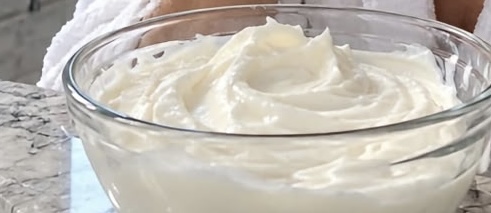
Looking for a simple way to care for your skin at home? This homemade honey face mask combines a few basic ingredients to create a quick beauty treatment that fits easily into your skincare routine.
Honey is a humectant, meaning it can help attract and retain moisture on the skin’s surface. However, adding baking soda is not recommended for facial skincare because its alkaline pH can disrupt the skin’s natural protective barrier, potentially causing dryness, redness, and irritation.
For a gentler alternative, this recipe focuses on honey and a little water to create a simple, easy-to-apply face mask.
Recipe Overview
| Detail | Information |
| Preparation Time | 5 minutes |
| Application Time | 5–10 minutes |
| Total Time | 10–15 minutes |
| Servings | 1 facial application |
| Category | Natural Skincare |
| Difficulty | Easy |
| Skin Goal | Moisturized, comfortable-looking skin |
Why You’ll Love This Face Mask
Simple ingredients: Honey and water are easy to combine, making this a straightforward addition to an occasional skincare routine.
Moisture support: Honey can help maintain surface hydration and leave the skin feeling softer.
Easy to prepare: You don’t need special equipment or a complicated preparation process.
Customizable: You can adjust the consistency with a few drops of water to make the mask easier to spread.
A gentle approach: Leaving out baking soda and lemon reduces the risk of irritation associated with harsh homemade facial mixtures.
Ingredients
| Ingredient | Quantity | Purpose |
| Pure honey | 1 teaspoon | Helps attract and retain moisture |
| Lukewarm water | A few drops, if needed | Creates a smoother consistency |
Important: The original combination of baking soda and honey is not recommended for routine facial use. Baking soda can disturb the skin’s natural pH, and honey does not reliably neutralize this effect.
Step-by-Step Instructions
Step 1: Prepare your ingredients
Wash your hands and use a clean, small bowl. Make sure your face is free from makeup and heavy skincare products.
Step 2: Mix the honey
Place one teaspoon of honey into the bowl. If the honey is too thick, add a few drops of lukewarm water and stir until it spreads easily.
Step 3: Perform a patch test
Apply a small amount to a limited area of skin and monitor it for any reaction. A patch test can help identify potential irritation, but it cannot guarantee that an allergic reaction will not occur.
Step 4: Apply the mask
Spread a thin layer over clean skin, avoiding the eyes, eyelids, lips, and any irritated or broken areas.
Step 5: Let it sit briefly
Leave the mask on for approximately 5–10 minutes if your skin tolerates it. Rinse immediately if you experience burning, itching, or redness.
Step 6: Rinse and moisturize
Rinse thoroughly with lukewarm water without scrubbing. Pat your face dry with a clean towel and apply a gentle facial moisturizer.
Best Tips for Healthy-Looking Skin
Choose pure honey without added fragrance or unnecessary ingredients.
Avoid rubbing the mask into your face like a scrub. Friction can irritate the skin and worsen redness.
Do not add baking soda or lemon juice in an attempt to make the mask more powerful.
Use a moisturizer suited to your skin type and apply broad-spectrum sunscreen with SPF 30 or higher during the day.
Remember that no homemade mask can guarantee the removal of wrinkles, dark spots, or other signs of aging.
Best Ingredient Options
Honey: Use plain honey if you are not allergic to honey or bee-derived products. Avoid it if you have a known sensitivity.
Water: A few drops of clean, lukewarm water help adjust the texture without introducing unnecessary ingredients.
Facial moisturizer: A fragrance-free moisturizer containing glycerin or ceramides may provide more reliable hydration than a homemade mixture.
Sunscreen: Daily sun protection is one of the most important steps for helping prevent premature skin aging and the development of additional dark spots.
Recipe Variations
Simple Honey Mask: Use honey alone for a minimal-ingredient treatment.
Hydrating Skincare Routine: Follow cleansing with a moisturizer containing glycerin or hyaluronic acid.
Sensitive-Skin Routine: Skip homemade masks and choose products specifically formulated for sensitive skin.
Brightening Routine: Use daily sunscreen and consider a professionally formulated skincare product containing niacinamide, provided it is suitable for your skin.
Avoid combining multiple active ingredients or experimenting with acidic and alkaline household ingredients on your face.
What to Use After the Mask
After rinsing, apply a gentle moisturizer to help maintain the skin’s hydration.
During the daytime, finish your routine with broad-spectrum SPF 30 or higher sunscreen.
At night, a simple routine consisting of a gentle cleanser and moisturizer is often sufficient to support the skin’s protective barrier.
Make-Ahead Instructions
This mask is best prepared immediately before use.
Mix only the quantity needed for one application. Fresh homemade mixtures do not contain a validated preservation system, so preparing a large batch in advance is not recommended.
Storage
Do not store leftover diluted honey mask for later use. Discard the remaining mixture after application and wash the bowl and utensils thoroughly.
Keep the original honey container sealed and stored according to its product instructions.
Reheating
Reheating is unnecessary. Use the mask at room temperature or slightly warm, never hot.
Freezing
Freezing this homemade mask is not recommended. It offers no established skincare advantage and may change the texture when thawed.
Common Mistakes to Avoid
Using baking soda on the face: Its alkaline nature can irritate the skin and interfere with its protective barrier.
Adding lemon juice: Lemon juice can cause irritation and increase the risk of skin reactions following sun exposure.
Leaving a mask on for too long: Longer application does not necessarily produce better results. Rinse promptly if discomfort develops.
Skipping moisturizer: A suitable moisturizer helps maintain skin comfort after cleansing.
Expecting dramatic anti-aging results: A homemade mask cannot reliably erase wrinkles, remove persistent pigmentation, or reverse skin aging.
Ignoring an allergic reaction: Stop using the product and rinse it off if itching, swelling, or redness occurs.
Frequently Asked Questions
1. Can a honey face mask reduce wrinkles?
Honey may help the skin feel more hydrated, which can temporarily make fine lines appear less noticeable. There is insufficient evidence that a homemade honey mask permanently removes wrinkles.
2. Does baking soda brighten dark spots?
There is no reliable evidence that baking soda safely removes dark spots. It may cause irritation, which can sometimes make pigmentation problems worse.
3. How often should I use this mask?
There is no scientifically established ideal frequency for homemade honey masks. Occasional use may be suitable for some people, but stop if irritation occurs.
4. Can I use this mask on sensitive skin?
Use caution. Even honey may cause reactions in susceptible individuals. People with sensitive or reactive skin may be better served by fragrance-free skincare products formulated for their needs.
5. Can I replace water with rose water?
You can, but rose water may contain fragrance components that irritate sensitive skin. Plain, clean water is the simpler option.
6. Is this mask suitable for acne-prone skin?
There is insufficient evidence that a homemade honey mask treats acne. If you experience persistent breakouts, consider evidence-based skincare products or consult a dermatologist.
7. Do I need sunscreen after using the mask?
Daily sunscreen is important regardless of whether you use a face mask. Choose broad-spectrum SPF 30 or higher to help protect against UV-related skin damage.
Final Thoughts
A simple honey face mask can be an enjoyable addition to an occasional beauty routine, especially if your goal is to help your skin feel soft and moisturized.
For a safer approach, skip the baking soda and lemon, avoid aggressive exfoliation, and focus on gentle cleansing, consistent moisturizing, and daily sun protection.
⚠️ This skincare recipe may not be suitable for everyone. If you have sensitive skin, a skin condition, or an unusual reaction, consult a dermatologist before continuing its use.
Social Media Hashtags
#SkincareRoutine #NaturalBeauty #GlowingSkin #HealthySkin #DIYFaceMask #HoneyMask #SkincareTips #BeautyRoutine #SkinHydration #AntiAgingSkincare