Introduction
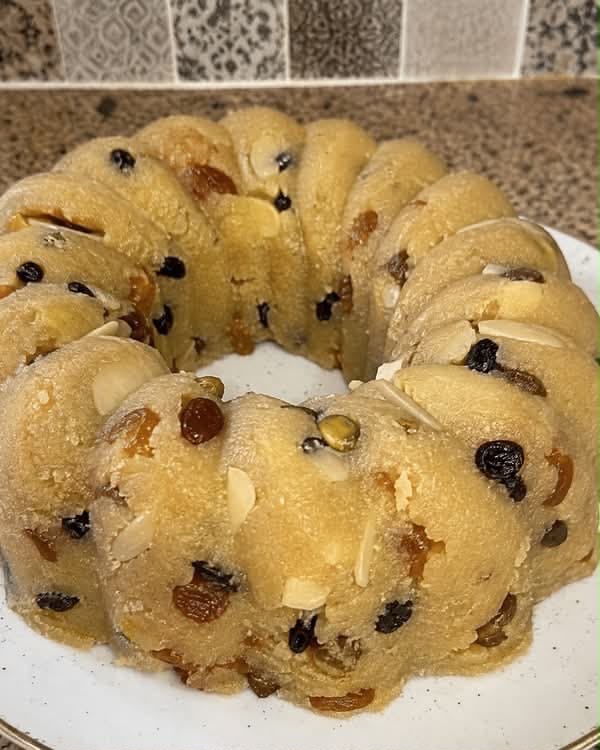
Discover the comforting flavors of authentic Turkish-style semolina halva, a traditional dessert made with slowly toasted semolina, butter, milk, sugar, nuts, and plump raisins.
Known as İrmik Helvası, this fragrant dessert is wonderfully simple yet elegant enough for family gatherings, festive occasions, and special dinners. The key to its irresistible flavor is patiently roasting the semolina until deeply golden and nutty before adding the warm milk syrup.
Served warm or at room temperature, this homemade semolina halva has a soft, tender texture with delicious toasted nuts and sweet bursts of raisins in every bite.
Recipe Overview
| Feature | Details |
| Prep Time | 10 minutes |
| Cook Time | 25 minutes |
| Resting Time | 15 minutes |
| Total Time | About 50 minutes |
| Yield | 8 servings |
| Difficulty | Easy |
| Cuisine | Turkish / Mediterranean |
| Dietary | Vegetarian |
Why You’ll Love This Recipe
This traditional semolina halva uses simple pantry ingredients while producing an incredibly rich and aromatic dessert. You don’t need advanced baking skills or complicated equipment to make it successfully.
The slow-toasted semolina develops a deep nutty flavor while butter adds richness and a wonderfully silky mouthfeel.
The raisins bring natural sweetness and chewy texture, while toasted almonds provide a pleasant contrast.
For an elegant presentation, the finished halva can be packed into a ring mold, bundt pan, ramekins, or small cups and inverted onto a serving plate.
Ingredients
🍯 For the Sweet Milk Syrup
| Ingredient | Quantity | Notes |
| Water | 1½ cups | Use filtered water if possible |
| Whole milk | 1½ cups | Adds richness and creaminess |
| Granulated sugar | 1½ cups | Reduce to 1 cup for a less-sweet version |
| Vanilla extract | 1 teaspoon | Optional |
| Orange blossom water | 1 tablespoon | Optional alternative to vanilla |
🌾 For the Semolina Halva
| Ingredient | Quantity | Notes |
| Unsalted butter | ½ cup / 1 stick | Main source of richness |
| Vegetable oil | 2 tablespoons | Helps prevent butter from browning too quickly |
| Coarse semolina | 2 cups | Medium-coarse semolina also works |
| Sliced almonds | ¼ cup | Pine nuts, walnuts, or pistachios can be used |
| Raisins | ⅓ cup | Golden or dark raisins |
| Ground cinnamon | Optional | For a spiced variation |
| Ground cardamom | Optional | Adds a warm aromatic flavor |
Step-by-Step Instructions
Prepare the Sweet Syrup
Add the water, whole milk, and granulated sugar to a medium saucepan.
Place the saucepan over medium heat and stir occasionally until the sugar has completely dissolved.
Do not bring the mixture to a vigorous boil. Once the sugar has dissolved, remove the saucepan from the heat and stir in the vanilla extract.
Keep the syrup warm while preparing the semolina.
Toast the Nuts
Place a large heavy-bottomed skillet or pot over medium-low heat.
Add the butter and vegetable oil. Once the butter has melted, add the sliced almonds.
Cook for about 2–3 minutes, stirring frequently, until the almonds become lightly golden and fragrant.
Be careful not to over-brown them because they will continue cooking with the semolina.
Roast the Semolina
Add the coarse semolina directly to the butter and toasted almonds.
Reduce the heat to medium-low and begin stirring continuously.
Cook the semolina for approximately 15–20 minutes, stirring constantly so that the grains toast evenly.
This is the most important stage of the recipe. The semolina should gradually become a rich golden-brown or sandy-brown color and develop a deep roasted, nutty aroma.
Avoid increasing the heat to speed up the process because semolina can burn very quickly.
Add the Raisins
During the final 2 minutes of roasting, add the raisins.
Stir well so the raisins become coated with the buttery semolina mixture and begin to soften.
Add the Warm Syrup
Carefully pour the warm milk syrup into the toasted semolina.
Stand back slightly because the mixture will bubble and release hot steam as the liquid meets the hot semolina.
Immediately begin stirring continuously with a wooden spoon or heat-resistant spatula.
The semolina will absorb the syrup quickly and the mixture will begin thickening.
Cook and Rest
Reduce the heat to the lowest setting.
Continue stirring for approximately 3–5 minutes, until the mixture becomes thick and cohesive and begins pulling away from the sides of the pan.
Remove the pan from the heat.
Cover it tightly with a lid and allow the halva to rest for 15 minutes.
This resting period allows the semolina to absorb the remaining moisture and become tender.
Mold the Halva
While the halva is still warm and pliable, lightly grease a silicone ring mold, bundt pan, ramekins, or small cups.
Firmly press the halva into the mold, making sure to pack it down well.
Smooth the surface with the back of a spoon.
Place a serving plate over the mold and carefully invert it.
Lift the mold slowly to reveal the decorative shape.
Serve warm or allow it to cool to room temperature.
Best Tips
The secret to excellent semolina halva is slow roasting. Keep the heat moderate and stir continuously so every grain develops an even golden color without burning.
Use warm syrup rather than cold syrup. Warm liquid combines more smoothly with the hot semolina and helps maintain an even texture.
Don’t rush the resting period. The covered 15-minute rest allows the semolina to fully absorb the milk syrup and become soft and tender.
For a beautiful molded presentation, pack the halva firmly into the mold while it is still warm. If it cools completely, it becomes more difficult to shape.
If you want a more pronounced nutty flavor, lightly toast your nuts before adding them to the semolina.
Best Ingredient Options
Semolina
Use coarse or medium-coarse durum wheat semolina for the characteristic texture of traditional semolina halva. Very fine semolina can produce a much smoother, paste-like consistency.
Nuts
Pine nuts are a classic choice for Turkish semolina halva, but sliced almonds, pistachios, or chopped walnuts also work beautifully.
Milk
Whole milk creates the richest and creamiest result. For a lighter version, you can use a combination of milk and water or use water alone.
Flavorings
Vanilla gives the dessert a gentle sweet aroma, while orange blossom water or rose water provides a more traditional Middle Eastern-inspired fragrance.
Recipe Variations
🌱 Vegan Semolina Halva
Replace the butter with plant-based butter or a neutral cooking oil and replace the dairy milk with unsweetened almond, oat, or soy milk.
🌰 Pistachio Semolina Halva
Replace the almonds with chopped pistachios and sprinkle additional crushed pistachios over the finished dessert.
🍊 Orange Blossom Halva
Replace the vanilla extract with orange blossom water for a fragrant citrus-floral flavor.
✨ Cinnamon Cardamom Halva
Add 1 teaspoon of ground cinnamon and a small pinch of cardamom to the semolina during the roasting stage.
🍦 Ice Cream Center
For an indulgent hot-and-cold dessert, press a layer of warm halva into a bowl or individual mold, add a small scoop of vanilla ice cream in the center, and cover completely with more halva.
Serve immediately.
What to Serve With
Traditional Turkish coffee makes an excellent accompaniment because its strong, slightly bitter flavor balances the sweetness of the halva.
Black tea is another wonderful option, especially when serving the dessert after a family meal.
For a more indulgent presentation, serve warm slices with vanilla, pistachio, or mastic ice cream.
A light dusting of powdered sugar or crushed pistachios can also add an elegant finishing touch.
Make-Ahead Instructions
The milk and sugar syrup can be prepared up to 3 days ahead and stored covered in the refrigerator.
When you’re ready to make the halva, gently warm the syrup before adding it to the toasted semolina.
For the best texture and easiest molding, prepare and shape the halva while it is still warm.
Storage
Allow leftover halva to cool completely before transferring it to an airtight container.
It can be kept at room temperature for approximately 2 days in a cool environment.
For longer storage, refrigerate it for up to 5 days.
Reheating
Individual portions can be reheated in the microwave for approximately 15–20 seconds.
For larger quantities, place the halva in a skillet over very low heat.
Add a small splash of milk or water and gently warm while stirring occasionally until the texture becomes soft again.
Freezing
Freezing is possible, although it isn’t the preferred storage method because the texture may become slightly dry or grainy after thawing.
If necessary, wrap the halva tightly in plastic wrap and then place it in a freezer-safe container.
Freeze for up to 1 month.
Thaw slowly in the refrigerator or at room temperature and gently reheat before serving.
Common Mistakes to Avoid
Burning the Semolina
The most common mistake is using excessive heat. Semolina can go from beautifully toasted to burnt very quickly.
Keep the heat at medium-low and stir continuously.
Using Cold Syrup
Adding cold liquid to extremely hot semolina can make the mixture react unevenly.
Keep the syrup warm until you’re ready to add it.
Skipping the Resting Period
The covered resting period is essential for achieving a soft, tender texture.
Allow the halva to rest for about 15 minutes before molding.
Molding It Too Late
Semolina halva is easiest to shape while warm.
If it becomes completely cold, it can become firm and crumbly, making it difficult to achieve a clean decorative shape.
Not Stirring Enough
Constant stirring during roasting prevents hot spots and ensures that the semolina develops an even color and flavor.
Nutrition Estimate
| Nutrient | Amount per Serving |
| Calories | Approximately 340 kcal |
| Protein | 5 g |
| Fat | 16 g |
| Carbohydrates | 46 g |
| Fiber | 2–3 g |
| Sugar | Approximately 24 g |
| Sodium | Approximately 15 mg |
Nutrition values are estimates and can vary depending on the exact ingredients and portion size.
Frequently Asked Questions
Can I reduce the sugar?
Yes. You can reduce the sugar from 1½ cups to approximately 1 cup for a less-sweet version.
The final dessert will be noticeably less sweet, but the recipe will still work.
Why is my semolina halva dry?
Dry halva can result from over-roasting the semolina, cooking it too long after adding the syrup, or using excessive heat.
Measure the liquid accurately and cook the mixture gently.
Why did my halva become crumbly?
The semolina may not have absorbed enough liquid, or the mixture may have been allowed to cool completely before molding.
Make sure the syrup is warm and give the finished halva enough covered resting time.
Can I use fine semolina?
You can, but the texture will be different.
For a traditional grainy and tender semolina halva, coarse or medium-coarse semolina is the better choice.
Can I use pine nuts instead of almonds?
Absolutely. Pine nuts are one of the classic choices for Turkish-style semolina halva and work particularly well with the buttery toasted semolina.
Can I make individual portions?
Yes. Small ramekins, silicone muffin molds, teacups, or individual dessert molds work beautifully.
Firmly pack the warm halva into each mold, then invert onto individual serving plates.
Final Thoughts
This Authentic Semolina Halva with Nuts and Raisins is proof that a handful of humble ingredients can create an elegant and deeply comforting dessert.
The most important part is patience. Slowly roasting the semolina in butter creates the distinctive nutty aroma and golden color that make traditional İrmik Helvası so special.
Serve it warm with Turkish coffee or tea, add a few crushed pistachios for decoration, and enjoy a beautifully fragrant homemade dessert that is perfect for both everyday treats and festive gatherings.